Daily Fishing Bite Times: How to Use Solunar Theory for Any Location
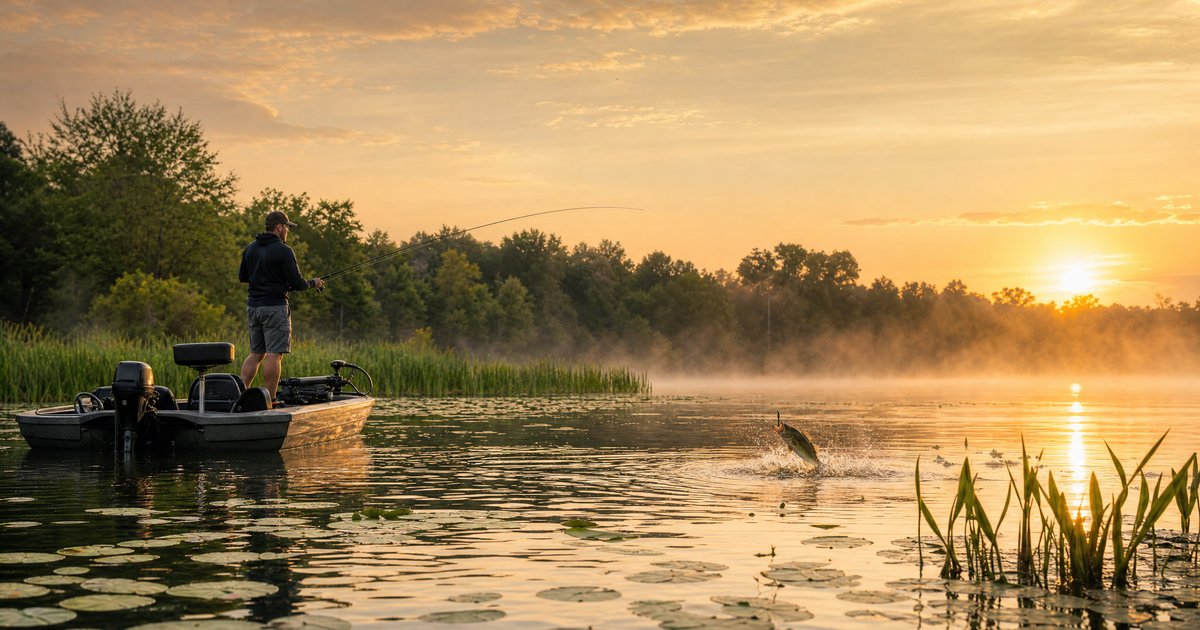
Picture this: You've got a Saturday open, the kids are with their grandparents, and you're standing at the boat ramp at 6 a.m. with a cooler full of expectations. You fish until noon, catch two undersized bass, and drive home wondering what went wrong. Meanwhile, a guy you barely know posts a photo at 8:47 a.m. of a stringer that would make your jaw drop — same lake, same day.
The difference wasn't his secret spot or his tackle budget. It was timing.
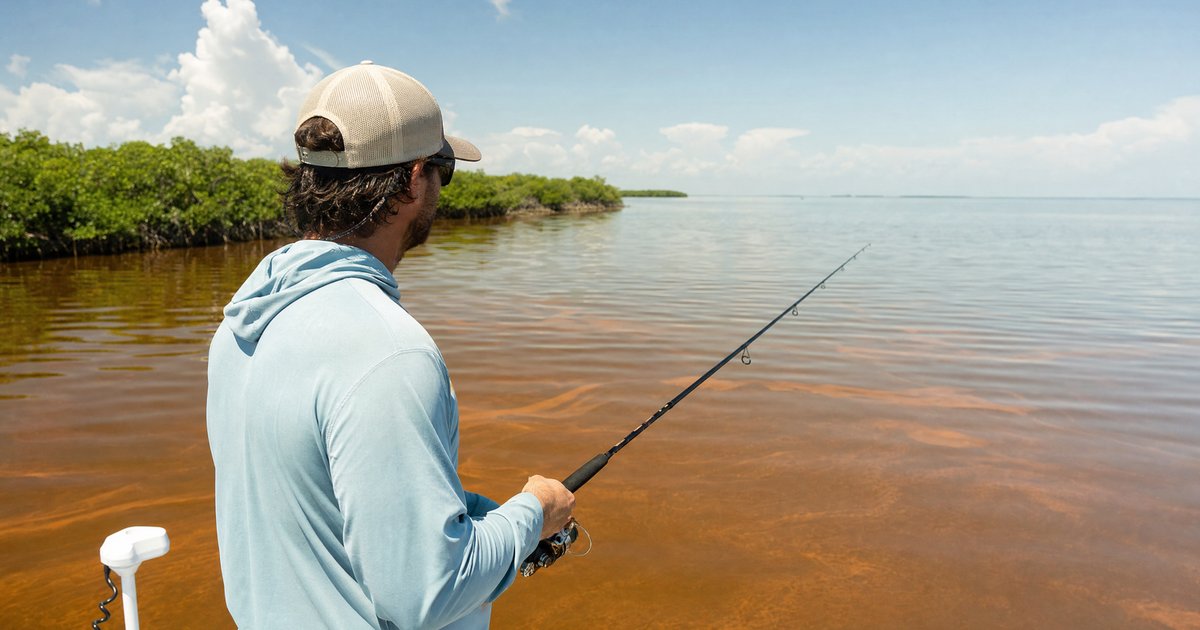
I've been guiding on Florida's Gulf Coast and inshore waters for over 15 years, and if there's one thing my clients ask me more than anything else, it's this: When should I be on the water? Tides, seasons, and weather all play into that answer. But the piece most recreational anglers overlook is solunar timing — the predictable daily windows when fish activity peaks based on the position of the sun and moon.
Here's how it actually works, how to apply it for your specific location, and — just as importantly — what it can't tell you.
What Is Solunar Theory, and Where Did It Come From?
Solunar theory holds that fish and wildlife activity follows predictable peaks tied to the gravitational and light cycles of the sun and moon. The word itself is a mashup of sol (sun) and lunar (moon).
The theory was formally published in 1926 by John Alden Knight, a Florida outdoorsman who compiled decades of hunting and fishing observations and found patterns that aligned with moon and sun positioning. He called these peak periods solunar tables and began publishing them for hunters and anglers.
Before your eyes glaze over with skepticism: you don't have to believe in moon magic to understand why this works. The moon exerts a measurable gravitational pull on Earth's water — that's literally what drives the tides. NOAA's tidal predictions are calculated in large part from lunar cycles. It stands to reason that aquatic animals, which evolved over millions of years in response to tidal and light rhythms, would key in on those same cycles.
Fish are opportunistic feeders, but they're not random. Their metabolism, ambush instincts, and prey movement all respond to environmental cues — and the sun/moon cycle is one of the most reliable cues in the natural world.
The Four Daily Activity Windows
Solunar theory identifies four activity periods each day, split into two categories.
Major Periods
Major periods are the strongest feeding windows, typically lasting 1.5 to 2 hours. They occur twice daily:
- Lunar transit (overhead): When the moon is directly above your location
- Lunar underfoot: When the moon is directly on the opposite side of the Earth from you
Both transits exert similar gravitational effects. In my experience — and across many years of logging trip times against catch rates — major periods tend to produce the most consistent action. Fish that were locked up or moving slow seem to flip a switch.
Minor Periods
Minor periods are shorter windows, typically lasting 45 to 90 minutes, and they occur when the moon is rising or setting. These can still produce good bites, especially when they align with favorable tides or early morning and evening light. Think of them as secondary opportunities rather than guaranteed slams.
Here's a quick reference for how these periods stack up:
| Period Type | Duration | Trigger | Typical Bite Intensity |
|---|---|---|---|
| Major (Overhead) | 1.5–2 hrs | Moon directly overhead | High |
| Major (Underfoot) | 1.5–2 hrs | Moon directly underfoot | High |
| Minor (Moonrise) | 45–90 min | Moon rising on horizon | Moderate |
| Minor (Moonset) | 45–90 min | Moon setting on horizon | Moderate |
The timing of these periods shifts approximately 50 minutes later each day, following the lunar day (about 24 hours and 50 minutes). That's why the bite time that worked at 7 a.m. on Tuesday might fall at 7:50 a.m. on Wednesday.
How Moon Phase Changes Everything
The four daily windows exist every day, but not every day is equal. Moon phase acts as a multiplier — it determines how strong those solunar windows hit.
New Moon and Full Moon
These are your power days. During new and full moons, the sun and moon are aligned (either together or opposite each other), creating combined gravitational pull. Tides are more extreme — higher highs, lower lows — and fish activity tends to spike. NOAA Fisheries research supports the connection between lunar cycles and feeding behavior in many coastal species.
In my 15 years on the water, the three-day window around a full moon consistently produces some of the most intense inshore feeding I see all month. Redfish pushing onto shallow flats, snook blowing up on baitfish along mangrove edges, trout stacked on current seams — the activity is noticeably elevated.
Quarter Moons
First and last quarter phases produce the weakest solunar influence. The sun and moon are at 90-degree angles relative to Earth, partially canceling each other's pull. Tidal swings are smaller (called neap tides), and fish activity periods tend to be less pronounced. You'll still catch fish — don't cancel the trip — but the bite windows may be shorter and harder to predict.
A Practical Monthly Overview
| Moon Phase | Solunar Influence | Tidal Range | Strategy Notes |
|---|---|---|---|
| New Moon | Very Strong | Maximum | Fish the major periods hard |
| Waxing Crescent | Moderate | Above average | Morning majors + tide edges |
| First Quarter | Weak | Minimum (neap) | Focus on structure, not timing |
| Waxing Gibbous | Moderate–Strong | Above average | Evening majors |
| Full Moon | Very Strong | Maximum | All four periods can fire |
| Waning Gibbous | Moderate–Strong | Above average | Morning minors overlap sunrise |
| Last Quarter | Weak | Minimum (neap) | Finesse tactics, slow presentations |
| Waning Crescent | Moderate | Above average | Pre-dawn major periods |
Stacking the Odds: When Solunar Meets Tides and Weather
This is where it gets good — and where most anglers leave easy fish on the table.
Solunar times alone are a starting point, not a guarantee. The real magic happens when you stack multiple favorable conditions on top of each other. In my experience, the single best fishing days occur when three or more of the following align:
- A major solunar period
- Moving tide (incoming or outgoing, especially the first two hours of each)
- Stable or rising barometric pressure (above 30.00 inHg and climbing)
- Early morning or late afternoon light
- A moon phase within two days of new or full
When a major period lands during the two hours before a high tide on a stable-pressure morning in late fall? That's when you want to be on the water, not sitting at the dock drinking a third cup of coffee.
The Barometric Factor
Fish are sensitive to pressure changes through their lateral line and swim bladder. A dropping barometer (approaching fronts) can trigger a brief feeding frenzy followed by a dead bite. A rising or steady barometer almost always means more consistent, predictable feeding behavior.
You can check current pressure on HookCast before you head out — it'll show you the trend, not just a single reading, which is what actually matters.
Tide Timing
For inshore anglers especially, tide is arguably more important than solunar timing on any given day. Moving water concentrates baitfish and triggers predator feeding. When a solunar major period overlaps with the first two hours of an outgoing tide pushing through a creek mouth, that's a window you don't want to miss.
You can pull up tide charts for your area on HookCast to see how your local solunar windows line up with tidal movement before you pick your spot.
Captain's note: I've had days where the solunar chart said noon was prime time, but the tide didn't move until 3 p.m. The fish didn't get the memo about noon. Always cross-reference your solunar times with local tidal conditions — especially in estuaries, bays, and tidal rivers.
How to Actually Use Solunar Times for Your Location
Solunar periods are calculated based on geographic location. The moon's position overhead shifts with longitude and latitude, so a major period at 8 a.m. in Tampa might fall at 8:22 a.m. in Tallahassee. If you're using a printed table from a national magazine, understand that it's likely calibrated for a central U.S. time zone and may need adjustment.
Here's how to get actionable, location-specific solunar data:
Step 1: Get your local solunar times. Use a tool that accounts for your specific coordinates, not a generic table. HookCast's solunar calendar does this automatically when you enter your location or allow GPS access.
Step 2: Cross-reference with tides (coastal and inshore anglers). Find the tide times for your nearest inlet or tidal station from NOAA's tidal predictions. Look for overlap between major solunar periods and moving water.
Step 3: Check the pressure trend. Steady or rising pressure above 29.80 inHg is favorable. A rapid drop signals front activity — fish may feed aggressively just before it hits, then shut down.
Step 4: Factor in moon phase. If you're within two days of new or full moon, weight your solunar periods more heavily. During quarter moons, prioritize structure, bait presentation, and tide over solunar windows.
Step 5: Build a flexible plan. Don't schedule the entire trip around a single 90-minute window. Build your day so you're at your most productive spot before the major period starts. Fish are often on the move 20–30 minutes before the window officially opens.
A Note for Freshwater Anglers
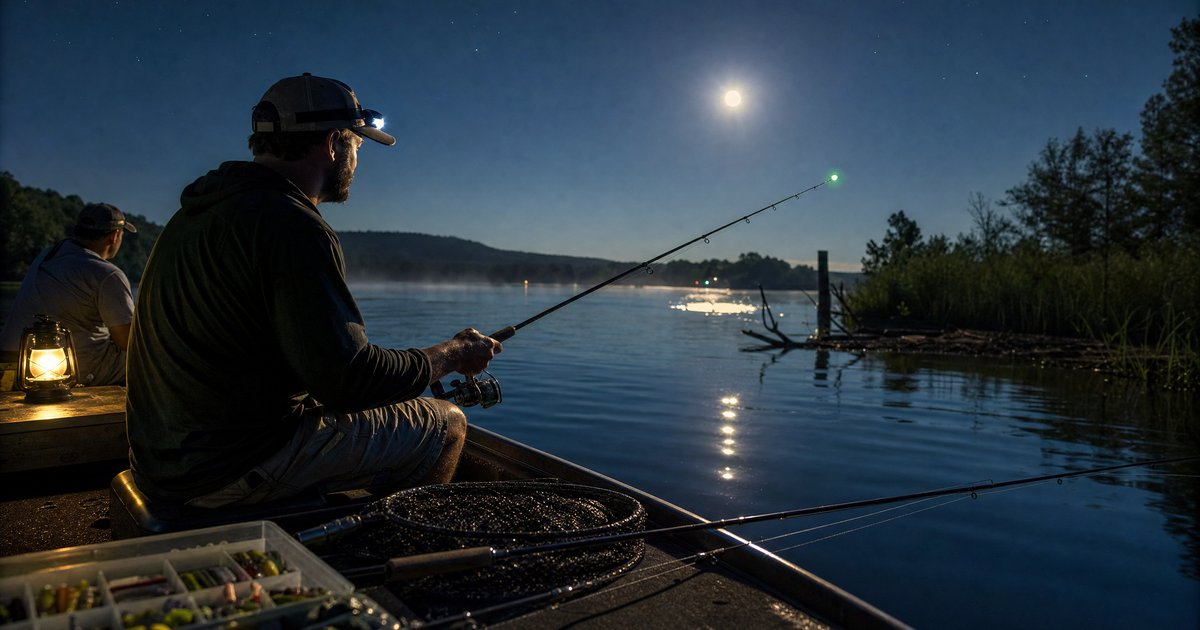
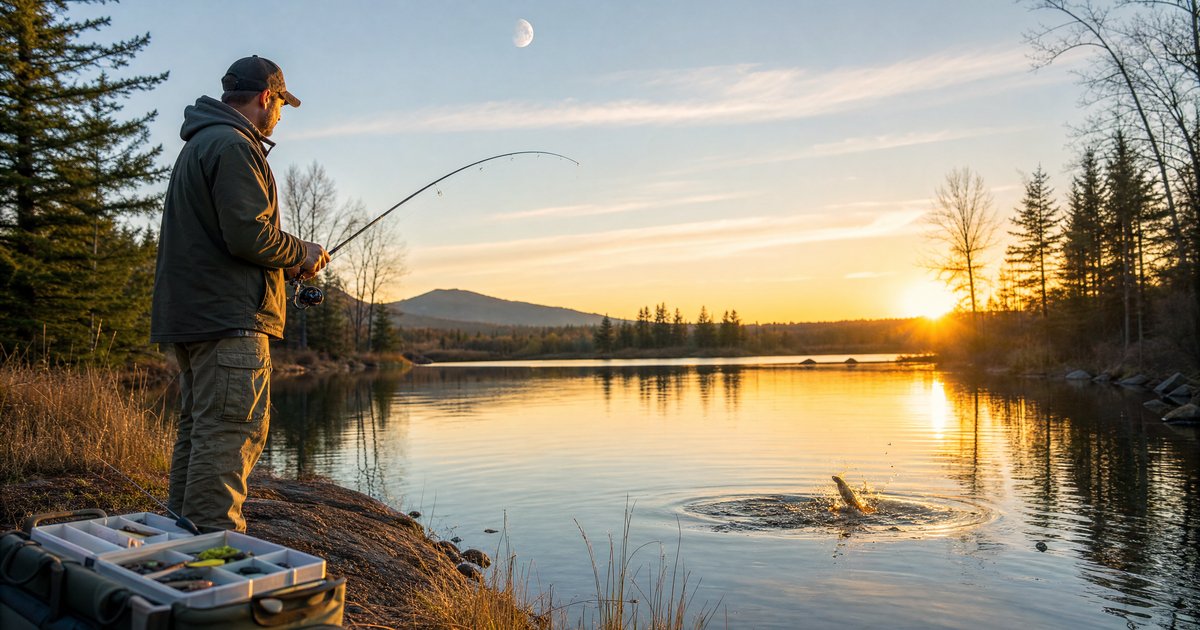
Solunar theory applies equally well in freshwater — it just isn't tide-dependent. For bass, crappie, walleye, and trout anglers on lakes and rivers, the major and minor periods still track with genuine activity windows. Bass in particular tend to move from deep structure to shallow feeding areas during major periods, especially around new and full moons. The key variable to layer in for freshwater is water temperature and seasonal position, which affects how aggressively fish respond to solunar cues.
What Solunar Theory Can't Do
Let's be straight about the limits.
Solunar theory is a probability tool, not a crystal ball. Even a perfect solunar window won't save you if:
- A cold front pushed through 12 hours ago and the barometer tanked
- Water temps are 20 degrees off the fish's comfort zone
- Heavy rain has turned your target water muddy brown
- Boat traffic and noise have pressured fish into lockjaw
I've fished some "perfect" solunar days that were absolute disasters because a cold front moved through the night before. And I've had great days during quarter moons with mediocre timing because the bait was everywhere and the fish were hungry regardless.
The best anglers I know use solunar times as one layer in a broader decision-making process. It's a signal, not a guarantee. If conditions are stacked against you — bad weather, a pressure crash, extreme temperatures — no amount of moon alignment is going to save the trip.
That said: over hundreds of guided trips, the days that produced best usually had solunar timing as a common thread. It's not magic. It's pattern recognition built over decades.
Quick-Reference Checklist: Planning Your Trip Around Solunar Times
Before you load up the truck, run through this:
- [ ] Pull up today's solunar times for your exact location
- [ ] Identify the major periods — plan to be on productive water 20 minutes before they start
- [ ] Check the moon phase — new and full moon amplifies everything; quarter moons temper expectations
- [ ] Cross-reference with tides (coastal and inshore) — look for overlap between majors and moving water
- [ ] Check barometric pressure trend — rising or steady above 29.80 inHg is your green light
- [ ] Factor in season and water temp — fish metabolism slows in cold water; solunar cues still apply but response may be subtler
- [ ] Build schedule flexibility — don't drive three hours for a 90-minute window with no backup plan
- [ ] Don't write off minor periods — especially when they align with sunrise, sunset, or outgoing tides
Bottom line: Solunar theory won't do the fishing for you. But used correctly, it narrows your "when" so you can focus more energy on the "where" and "how." Fish smarter, not just longer.
FAQ
What are solunar fishing times?
Solunar fishing times are daily windows of peak fish activity predicted by the position of the sun and moon relative to a specific location. There are typically four periods each day — two major (longer, more intense) and two minor (shorter, moderate) — based on when the moon is overhead, underfoot, rising, or setting. These periods shift by approximately 50 minutes each day following the lunar cycle.
How accurate is solunar theory for fishing?
Solunar theory is a probability tool, not a guarantee. Many experienced anglers and guides find it consistently useful for identifying the most likely feeding windows, especially when combined with favorable tides, stable barometric pressure, and the right moon phase. It's most reliable around new and full moons; during quarter moons, the effect is noticeably weaker. Conditions like cold fronts, muddy water, or extreme temperatures can override solunar timing entirely.
What is the best time of day to go fishing according to solunar theory?
The best time depends on when the major solunar periods fall for your specific location and date, which shifts daily. Generally, major periods that overlap with early morning or late afternoon light — and coincide with moving tides for coastal anglers — tend to produce the most consistent action. Using a location-specific solunar calendar will give you accurate timing for wherever you're fishing.
Does moon phase affect fishing?
Yes, significantly. New and full moons produce the strongest solunar influence because the sun and moon are aligned, amplifying gravitational effects and creating more extreme tidal movement. Fish activity during major and minor periods tends to be more intense within two to three days of these phases. First and last quarter moons create weaker solunar windows — and neap tides along the coast — generally producing less predictable feeding behavior.
Does solunar theory work for freshwater fishing?
Yes. While freshwater lakes and rivers don't experience tides, solunar timing still tracks real patterns in fish behavior for species like bass, walleye, crappie, and trout. Bass in particular are known to move from deeper structure to shallow feeding areas during major solunar periods. The key difference is that freshwater anglers should lean more heavily on water temperature, seasonal position, and structure when tides aren't a factor.