Tidal Freshwater Fishing: How to Read Tidal Rivers for Stripers, Catfish & Shad
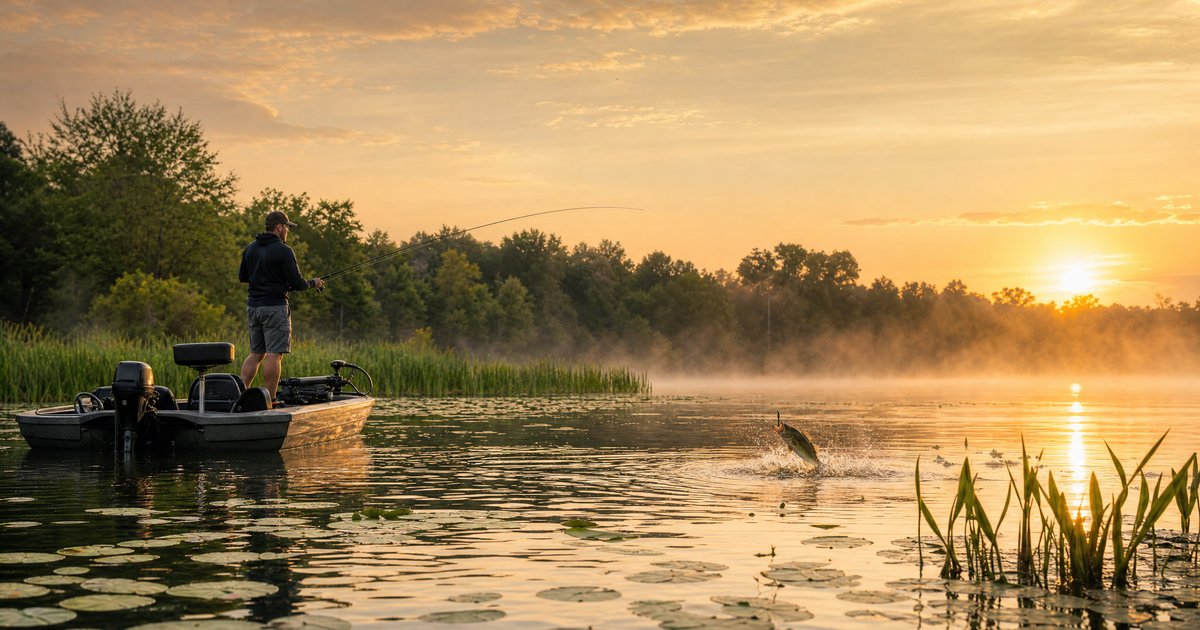
It was a Tuesday morning on the Roanoke River, maybe 45 minutes before low tide. My client — a guy who'd been fishing this stretch for 20 years — was convinced we needed to move. The bite had completely died. We'd had three solid hours of action, stripers crashing topwater, a couple of big channel cats on cut herring, and then nothing. He was ready to pull the anchor.
I told him to give it 20 minutes.
Right on schedule, the water started pulling back the opposite direction. The tide had bottomed out and started flooding. Within half an hour, we were back into fish.
That's the thing about tidal rivers — they're not just "freshwater with a little current." They're a completely different system. And most anglers who fish them are missing the biggest piece of the puzzle.
What Makes a Tidal River Different From Regular Freshwater
A tidal river is any river or tributary where ocean tides exert measurable influence on water levels and current direction. In the Southeast and Mid-Atlantic, this includes some of the most productive fisheries in the country: the James, Potomac, Roanoke, Altamaha, Cape Fear, and dozens of smaller systems draining into the Atlantic.
Tidal influence can push surprisingly far inland. On the Potomac River, for example, tidal fluctuations are measurable well past Washington, D.C. — nearly 100 miles from the Chesapeake Bay. The USGS stream gauge network tracks these water level changes in real time, and if you've never looked at a gauge reading for a tidal river section, it's eye-opening. You'll see the water level oscillate predictably, twice a day, driven by the same lunar forces pulling on the ocean.
What this creates is a bidirectional current — water that flows upstream on the flood tide and downstream on the ebb. This is completely unlike a typical freshwater river, where current only moves one direction. For fish, that bidirectional flow changes everything about where they position, how they feed, and how long the bite window actually lasts.
The Salinity Gradient
Another layer that most anglers don't think about: salinity. Even in "freshwater" tidal rivers, salinity creeps inland with each flood tide. This creates what biologists call a salinity gradient — a zone where fresh and saltwater mix, sometimes called the oligohaline zone.
Species like striped bass and American shad evolved to move through exactly this kind of transitional water. They're anadromous, meaning they spawn in freshwater but live in saltwater — and tidal rivers are the highways they use. NOAA Fisheries has detailed documentation on striper migration patterns, and the short version is this: these fish are built for tidal rivers. They know how to use the current, and they position themselves based on it.
Catfish — channel cats, blue cats, and flatheads — aren't anadromous, but they thrive in the tidal zone too. They're opportunists, and the tide delivers food to them on a schedule. Learn that schedule and you'll find fish.
How Tides Move Bait (And Why That Drives Everything Else)
Here's the core principle I come back to again and again: the tide moves the bait, and the bait moves the predators. If you understand this, you understand tidal river fishing.
On the flood tide, water pushes inland. This pushes baitfish — river herring, shad, menhaden, small sunfish, and crayfish — out of deeper channels and into the shallower margins. Grass edges, flooded timber, submerged points, and tributary mouths all become ambush points. Stripers and large catfish slide shallow to intercept the bait being pushed against structure.
On the ebb tide, the reverse happens. Water drains back toward the bay. Bait that had scattered into the shallows gets funneled back out through specific choke points — channel edges, bridge pilings, rocky points, tributary confluences. This concentration effect is often where the most explosive bites happen.
Field note: The most consistent bite windows I've found are roughly 1–2 hours before and after both the high and low tide. That's when current transitions create current seams — edges where fast and slow water meet. Predators sit on the slow side and ambush bait tumbling through the seam.
Reading Current Seams and Structure
A current seam in a tidal river works the same way as one in any moving water — it's the edge between two different current speeds. Bait clusters in the slower water. Predators hold in the seam and dart into the faster water to feed.
In tidal rivers, look for seams at:
- Tributary mouths — especially on the ebb, when water draining out of a smaller creek hits the main river current
- Bridge pilings and dock supports — they create hydraulic shadow zones on the downstream side
- Submerged points and sandbars — water accelerates around these, creating visible boils and slicks on the surface
- Bend pools — the outside of a river bend scours deeper, holds cooler water, and creates a classic predator ambush setup
- Riprap banks — especially near locks and navigation structures, these hold catfish year-round and stripers during spring
One tool I always recommend checking before you pick your spot: the tide charts for your area. You want to know not just high and low times, but the tidal range — how much the water actually moves. A 2-foot tidal swing will fish very differently than a 6-inch one.
Species-Specific Breakdown: Stripers, Catfish & Shad
Striped Bass in Tidal Rivers
Striped bass are the marquee species in tidal freshwater, and for good reason — they're hard fighters, they eat aggressively, and they use the tide in predictable ways.
In spring, spawning stripers move upriver into the freshwater tidal zone. The Roanoke River in North Carolina and the Rappahannock in Virginia are famous for this. Stripers typically spawn in water temperatures between 60–67°F, in fast-moving water over gravel or rocky substrate. During this period, catch-and-release is strongly encouraged, and in some systems it's legally required — always check state regulations before targeting spawners.
Outside of the spawn, here's how I approach stripers based on tide phase:
| Tide Phase | Where to Target | Best Techniques |
|---|---|---|
| Flood (rising) | Shallow grass edges, tributary mouths, flooded timber | Topwater plugs, swimbaits, inline spinners |
| High slack | Deep channel edges, bridge pilings | Jigging, live bait near structure |
| Ebb (falling) | Current seams, channel mouths, riprap | Bucktail jigs, cut bait, topwater at dawn |
| Low slack | Deepest available water | Bottom jigging, live herring |
The ebb tide often produces the most consistent action for river stripers in my experience. Fish that had spread out into the shallows during the flood get concentrated by falling water, and they tend to feed aggressively as bait gets funneled past them.
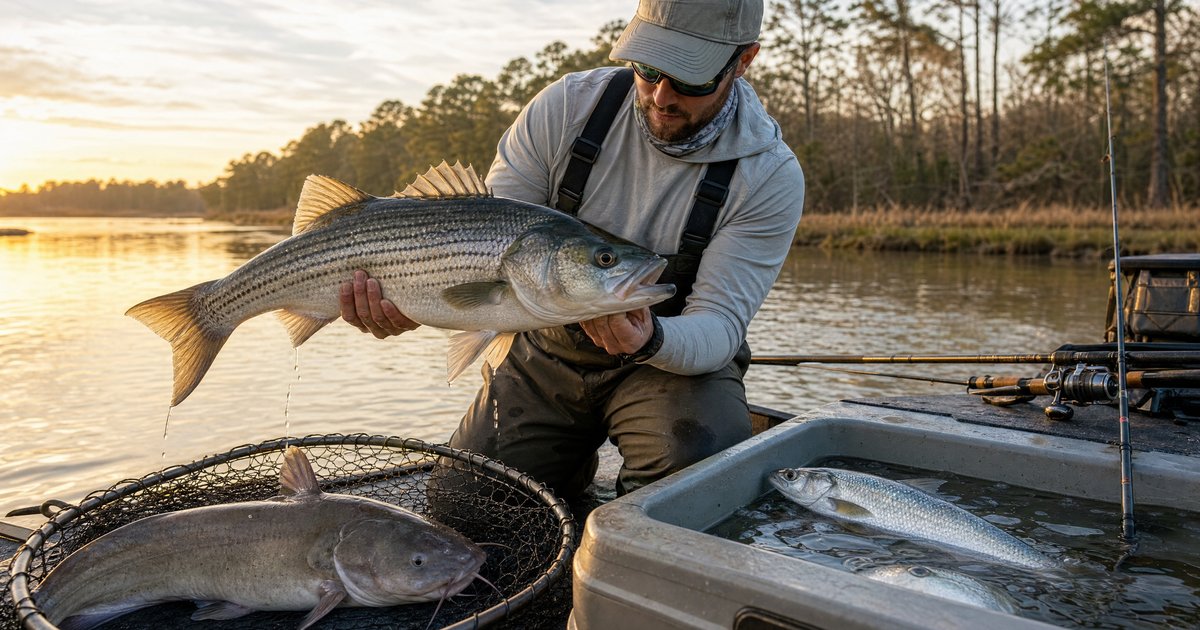
For lures, I lean toward white or chartreuse bucktail jigs (1/2 to 1 oz depending on current speed), soft plastic swimbaits on jig heads, and topwater plugs during low-light hours. For cut bait, fresh river herring or gizzard shad is tough to beat — fish it on the bottom with a fish-finder rig near a current seam.
Blue Catfish and Channel Cats in Tidal Rivers
The tidal James River in Virginia is arguably the best blue catfish fishery in the country, with trophy fish exceeding 100 pounds taken regularly. The tidal Potomac is right there with it. These aren't your farm pond catfish — tidal blue cats are apex predators that actively chase bait during peak current periods.
Blue cats in tidal rivers follow a surprisingly similar pattern to stripers: they move with the bait. During flood tides, they push into the shallows and tributary creeks. During the ebb, they station along channel edges and current seams. But unlike stripers, they're very structure-oriented — they almost always have their backs to something.
The most effective setup for tidal catfish:
- Fish-finder or Carolina rig on the bottom, near the edge of the channel drop
- Fresh-cut gizzard shad is the gold standard bait — the oilier and fresher, the better
- Circle hooks (8/0 to 10/0 for blue cats) — they're better for the fish and hook up more reliably when you're soaking bait
- Position your baits on the downstream side of structure during the ebb, upstream side during the flood
Channel cats follow a similar approach but are more willing to roam in shallower water and will hit a wider variety of baits — chicken liver, cut bream, nightcrawlers. They're fantastic targets for anglers just getting into tidal river fishing.
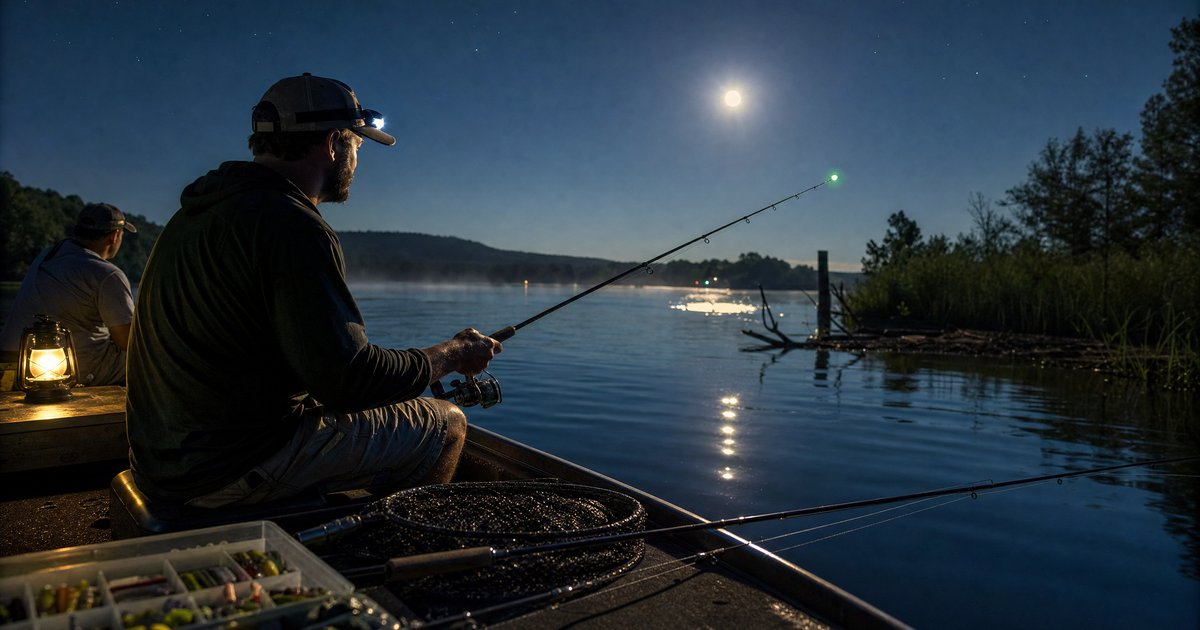
Safety note: Night fishing is extremely popular for tidal catfish, and with good reason — the bite often peaks after dark. If you're wading or bank fishing after dark, wear a headlamp, know your exit points before it gets dark, and let someone know where you're fishing. Tidal river banks can be slippery, and water levels change while you're out there.
American Shad: The Underrated Trophy
American shad get overlooked because most people think of them as a bait species. That's a mistake. A 4-pound American shad on a 6-pound spinning rod in river current is as much fun as most freshwater fishing gets.
Shad migrate up tidal rivers in late winter through spring — typically January through April in the Southeast, a bit later in the Mid-Atlantic. They don't feed during the spawning run (like salmon), which means they're not chasing bait. They react to small, flashy presentations that trigger a strike out of aggression or curiosity.
Classic shad setups:
- Shad darts (1/16 to 1/4 oz) in yellow, white, or chartreuse
- Tandem dart rigs — two darts on the same line, extremely effective
- Small spoons like a Kastmaster in gold or silver
- Inline spinners in small sizes
The key with shad is depth and drift. They hold in the water column mid-depth, not on the bottom. Fish your darts on a slow swing across the current, keeping contact with the lure throughout the drift. On the tide, they tend to concentrate below fast water — the tail end of rapids, the downstream edge of bridge pilings, the outside of river bends.
Per NOAA Fisheries, American shad populations have declined significantly in many river systems due to dam construction blocking migration routes. Fish them responsibly — check your state's bag limits, practice proper handling, and support shad restoration efforts where they exist in your region.
Seasonal Timing: When Tidal Rivers Fish Best
Tidal rivers aren't a one-season fishery. Here's how the calendar breaks down across the Southeast and Mid-Atlantic:
Late Winter (January–February)
- American shad begin entering lower tidal reaches in the South
- Blue cats are active on the tidal James and Potomac during warm spells
- Focus on deeper channel water during cold snaps
Spring (March–May)
- Peak shad runs across most of the region
- Striped bass spawn run — some of the best trophy striper fishing of the year, but handle fish with care
- Water temperature is the trigger — stripers start moving when river temps hit the mid-50s°F
- Check local fishing regulations before targeting spawning fish — some systems have closures
Summer (June–August)
- Stripers drop back toward cooler, deeper water or return to saltwater
- Blue and channel catfish are extremely active — warm water accelerates metabolism and feeding
- Early morning and night tides produce best for most species
Fall (September–November)
- One of the best times to be on a tidal river — stripers make a secondary push upriver chasing baitfish
- Shad are gone, but herring and mullet schools are thick
- Water clarity improves, which rewards precise presentations
- Check the tide charts during fall — tidal ranges can be amplified by seasonal wind patterns
Winter (December–January)
- Fishing slows but doesn't stop
- Trophy blue cats are caught throughout winter in tidal rivers
- Target the deepest, slowest sections during cold fronts
Practical Tips for Getting on Fish in Tidal Rivers
Check Your Tides Before You Go — Not the Night Before
Tidal windows shift every day. The best bite on Monday might be at 6 a.m.; by Friday, it's at noon. Planning around the wrong tide phase is one of the most common mistakes I see, especially from anglers who fish tidal rivers occasionally.
I pull up the tide charts for the specific river section I'm fishing — not just the nearest coastal station. River tides lag behind ocean tides by anywhere from 30 minutes to several hours depending on how far inland you are. That difference matters.
Match Current Speed to Your Presentation
Fast current during peak tidal flow demands heavier jigs and more line weight to stay in the zone. Slack tide is the time to go lighter and finesse slower. A 1/4 oz dart that fishes perfectly at mid-tide will blow right past fish at the same depth during the flood peak.
Don't Overlook Barometric Pressure
Tidal fishing gets all the attention, but barometric pressure affects feeding behavior in tidal rivers just like any other fishery. A stable or slowly rising barometer generally produces better fishing than a rapid drop ahead of a storm front. Standard atmospheric pressure sits around 1013.25 hPa per NOAA — when you're seeing readings well below that and falling, don't expect an aggressive bite regardless of where the tide is.
Licenses and Regulations
Tidal freshwater sits at a regulatory intersection that trips people up. In most Southeast and Mid-Atlantic states, tidal freshwater requires a saltwater fishing license — not a freshwater one — because of the tidal influence. Some states require both, or a special endorsement.
Always verify with your state's wildlife agency before fishing a new tidal river section. Size and bag limits for striped bass, in particular, vary dramatically by system and season. Getting this right protects both you and the fishery.
Key Takeaways
- Tidal rivers have bidirectional current — fish position changes with every tide phase, not just with the time of day
- The transition periods (1–2 hours before and after high/low) are typically the most productive windows
- Current seams at tributary mouths, bridge pilings, and submerged points are the highest-percentage spots regardless of species
- Match your presentation to current speed — heavier during peak flow, lighter at slack
- Check the tide chart for your specific river section, not just the nearest coastal station — tidal lag is real
- Striper spawning periods deserve extra care — handle fish quickly, keep them in the water as much as possible, and know your local regulations
- Tidal freshwater licensing can be tricky — confirm whether you need a saltwater or freshwater license before you fish
- Shad are underrated — if there's a spring run in your area, make time for it
FAQ
What is tidal freshwater fishing?
Tidal freshwater fishing refers to angling in rivers or tributaries where ocean tides create measurable fluctuations in water level and current direction, even though the water itself is largely fresh. These zones exist in coastal rivers throughout the Southeast and Mid-Atlantic, and they host species like striped bass, American shad, and blue catfish that take advantage of the tidal current to feed. Tides in these rivers can reverse current direction twice a day, which creates predictable feeding windows that anglers can plan around.
Do I need a saltwater or freshwater fishing license for tidal rivers?
In most Southeast and Mid-Atlantic states, tidal freshwater requires a saltwater fishing license rather than — or in addition to — a standard freshwater license. The boundary varies by state and sometimes by specific river section. Always confirm licensing requirements with your state wildlife agency before fishing a new tidal river, especially for regulated species like striped bass that have strict size and bag limits.
What is the best tide for tidal river fishing?
The most consistently productive windows are the 1–2 hours before and after both high and low tide, when water is actively moving and bait gets concentrated at current seams and structure. Many experienced anglers favor the ebb tide for river stripers and catfish, since falling water funnels bait through predictable choke points. Slack tide — the brief period around high or low — is generally the slowest, though it can still produce fish in deep holes near structure.
When do striped bass run in tidal rivers?
Striped bass make a spawning run into tidal rivers each spring, typically when water temperatures reach the mid-50s°F. In the Southeast, this often starts in March; in the Mid-Atlantic, it may run from April into May. Fish move upriver into freshwater tidal zones to spawn over gravel and rocky substrate. There's also a secondary fall feeding run as stripers chase baitfish back into tidal reaches. Regulations vary widely by system during the spawning season, so check your state's current rules before targeting spring stripers.
How do tides affect catfish in rivers?
Blue and channel catfish in tidal rivers actively follow bait movement driven by the tide. During the flood tide, catfish push into shallower water and tributary mouths where bait is being pushed inland. During the ebb, they station along channel edges and current seams, waiting for bait to wash past. Fresh-cut gizzard shad fished on a fish-finder rig near the downstream side of structure during the ebb is one of the most consistent setups for tidal river catfish, particularly for large blue cats.