June Summer Fishing Patterns: Early Morning and Late Evening Bite Windows
It's 5:47 a.m. and I'm already on the water. The air is thick, the sun hasn't crested the treeline yet, and the surface of the lake looks like hammered pewter. My first cast lands tight against a laydown, and before I can even start my retrieve, something absolutely hammers it. That's June for you — if you're there at the right moment, the fishing can be as good as anything you'll find all year. If you show up at noon with a cooler full of sandwiches and expect the same results, you're going to have a long, sweaty, fishless afternoon.
June is a transition month. Bass are coming off the spawn, walleye are moving into their summer patterns, and water temperatures are climbing fast — sometimes jumping several degrees in a single week. Fish that were aggressive and predictable in May start doing something that frustrates a lot of anglers: they go deep, go quiet, and seem to disappear. But they haven't disappeared. They've just adjusted their schedule. And once you understand why they feed when they do in summer, you can adjust yours to match.
The short version is this: early morning and late evening are your windows. Everything else is a bonus.
Why Summer Changes Everything
Water Temperature Is the Master Variable
When surface temps climb above 75°F, most freshwater fish start feeling the heat — literally. Largemouth and smallmouth bass become noticeably less active in water above 80°F. Walleye, which prefer cooler temps in the 65–72°F range, push deeper or seek out thermoclines where the water stratifies. Even panfish, which can tolerate warmer water than most, tend to pull back from the shallows once the sun gets high.
The reason comes down to dissolved oxygen. Warm water holds less oxygen than cold water, and fish are cold-blooded — their metabolism and activity levels are tied directly to water temperature and oxygen availability. In the heat of a June afternoon, a bass sitting in 85°F shallows isn't being lazy. It's conserving energy because the metabolic cost of chasing baitfish in that environment is too high relative to the payoff.
Early morning is different. After a full night of cooling, surface temps are at their daily low. Oxygen levels are higher. Baitfish are active near the surface. And predators know it.
The Light Factor
There's another piece to this puzzle that doesn't get talked about enough: light penetration. Bass and walleye are both light-sensitive species. Walleye in particular have a well-known preference for low-light conditions — their eyes are built for it, with a reflective layer called the tapetum lucidum that gives them a serious advantage over prey in dim light. Bass don't have the same eye structure, but they still use shade and low light to their advantage when ambushing prey.
At first light, the sun angle is low and light penetration is minimal. This is prime ambush time. Predators push shallow, baitfish are disoriented near the surface, and the whole system is in a feeding frenzy that can last anywhere from 45 minutes to two hours depending on conditions.
By 9 or 10 a.m. in June, that window is usually closing. The sun is up, the water is warming, and the fish are heading for deeper structure or heavy cover to wait out the day.
The Morning Window: What It Looks Like and How to Fish It
Timing Your Arrival
I can't stress this enough: you need to be on the water before first light, not at first light. The best bite I've had in June almost always starts in that gray pre-dawn period, 20 to 30 minutes before the sun actually breaks the horizon. If you're launching your kayak as the sun comes up, you've already missed the first wave.
In most of the Midwest and Great Lakes region, that means launching between 5:00 and 5:30 a.m. in June. Yes, that's early. Yes, it's worth it.
The morning bite typically runs in two phases:
| Phase | Timing | What's Happening |
|---|---|---|
| Pre-dawn flurry | 30 min before sunrise | Topwater action, fish feeding aggressively near surface |
| Post-sunrise push | Sunrise to ~2 hrs after | Fish move slightly deeper, reaction bites on moving baits |
| Slowdown | Mid-morning | Fish retreat to cover, bite becomes more finesse-oriented |
Topwater Is King at First Light
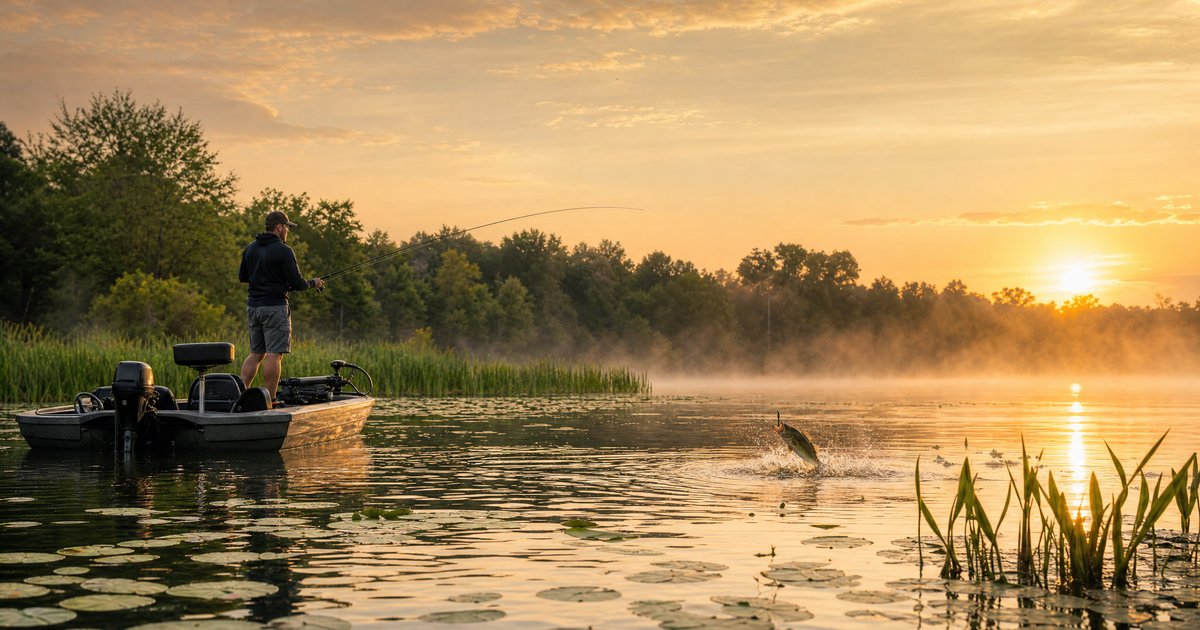
If you're not throwing topwater in the first hour of a June morning, you're leaving fish on the table. Walking baits, poppers, hollow-body frogs over matted vegetation — this is the time for all of it. The strikes are violent and the memories last a long time.
My go-to setup for early June mornings is a walking bait on a medium-heavy rod with 50 lb braid. I work points, secondary points, and any shallow flat that has access to deeper water nearby. Bass that have been holding deep overnight will push up onto these flats to feed, and they're not shy about it.
Field observation: On my home lake in Missouri, the best topwater bite of the entire year happens in the first two weeks of June, right after the spawn wraps up. Post-spawn females are hungry and aggressive, and the males are still guarding fry in the shallows. I've had mornings where I couldn't make a full retrieve without getting hit. Those mornings are rare, but they happen — and they only happen early.
Transition Baits as the Sun Rises
Once the sky starts brightening and the topwater bite slows, transition to moving baits that cover water quickly. Spinnerbaits, swim jigs, and shallow-running crankbaits are all solid choices. You're still targeting the same shallow areas, but fish are starting to pull back toward cover — laydowns, dock pilings, weed edges — and you want to intercept them before they go completely inactive.
This is also when I'll start working points more methodically, casting parallel to the bank and letting a swimbait or paddle-tail grub sink to the bottom before working it back slowly. Bass that aren't willing to chase a fast-moving bait will often eat something that falls in front of them.
The Evening Window: Different Energy, Same Opportunity
Why Evening Fishing Gets Overlooked
Most anglers are morning people when it comes to fishing. They get up early, fish hard, and are home by noon. The evening bite gets less attention, partly because of logistics — dinner, family, work the next day — and partly because a lot of people just don't realize how good it can be.
In June, the evening window can actually rival the morning bite, and on some days it's better. Here's why: by late afternoon, the fish have been sitting in cover for six or eight hours. They're ready to move. As the sun drops and the surface starts cooling, the same dynamics that drive the morning bite play out in reverse. Light levels drop, temperatures ease, and fish push back toward the shallows.
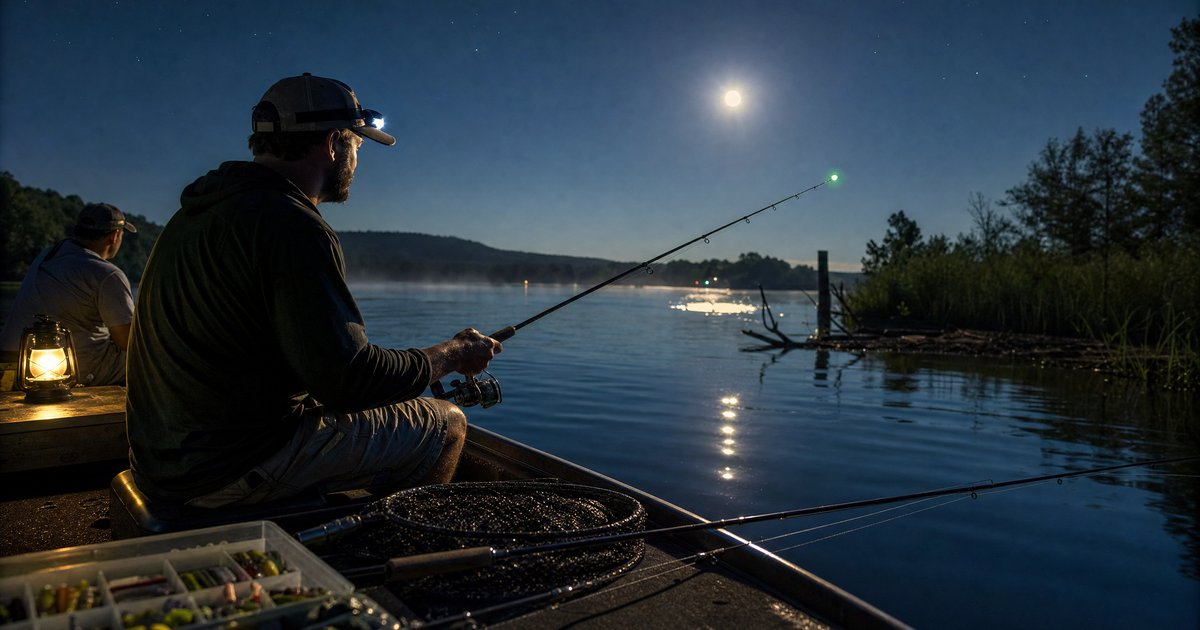
The evening bite typically kicks in about an hour before sunset and can run well past dark, depending on conditions.
Reading the Evening Conditions
One thing I've noticed over years of fishing June evenings is that the quality of the bite is heavily influenced by what happened during the day. A calm, bluebird day with stable high pressure often produces a slower evening bite — fish have been inactive all day and seem almost reluctant to commit. But a day with some cloud cover, a light breeze, or a slight drop in barometric pressure? The evening bite can be exceptional.
Before I head out for an evening session, I always check current pressure on HookCast to see what the trend looks like. A slowly falling barometer heading into evening is one of my favorite setups — fish seem to sense the change and feed aggressively ahead of it.
Evening Tactics That Work
The evening bite has a different character than the morning bite. It tends to build more slowly and last longer. Topwater still works, especially in the last 30 minutes of light, but I find that slower presentations are often more effective in the evening than in the morning.
Soft plastics are my go-to for evening fishing in June. A Texas-rigged creature bait or a big worm worked slowly through laydowns and brush piles will find fish that have been sitting there all day. They're not going to chase, but they'll eat something that falls into their lap.
Frogs and hollow-body swimbaits over vegetation mats are also deadly in the evening. As the light fades, bass that have been tucked under matted hydrilla or lily pads start moving to the edges, and a well-placed frog can trigger some of the most explosive strikes you'll ever experience.
Pro tip: If you're fishing a lake with a healthy population of bluegill, pay attention to where they're spawning in June. Bluegill beds are bass magnets, especially in the evening when bass move in to pick off stragglers. Look for the circular, sandy depressions in 1–3 feet of water near the bank.
Walleye and the Low-Light Advantage
June Walleye Patterns
If you're a walleye angler, June is a month of adjustment. The spawn is done, and fish are transitioning from their post-spawn recovery phase into their summer feeding patterns. In most Great Lakes tributaries and northern lakes, this means walleye are moving to deeper structure during the day — points, humps, rock piles in 15–25 feet of water — and pushing shallower at night and during low-light periods.
The walleye's light-sensitive eyes make the early morning and late evening windows even more important for this species than for bass. In clear water, walleye may not feed in the shallows at all during daylight hours. But at dusk and dawn, they're a completely different fish.
Tactics for June Walleye
For early morning walleye in June, I like to work the transition zones — the edges where shallow flats drop off into deeper water. Jigging with a 3/8 oz jig and a paddle-tail minnow imitation is my standard approach. Cast up onto the flat, let it sink, and work it back down the break. Walleye will often be sitting right on that edge waiting for baitfish to move through.
In rivers, the same principle applies. Walleye stack up in current seams and eddies, especially near structure like bridge pilings and rock ledges. Early morning is when they're most likely to be actively feeding in these spots rather than holding deep in the slow water.
The HookCast solunar calendar is genuinely useful for walleye fishing — these fish seem to respond to solunar periods more consistently than bass in my experience. When a major solunar period lines up with first light or last light in June, I make a point of being on the water.
Adjusting for Heat: Midday Survival Strategies
When the Bite Dies
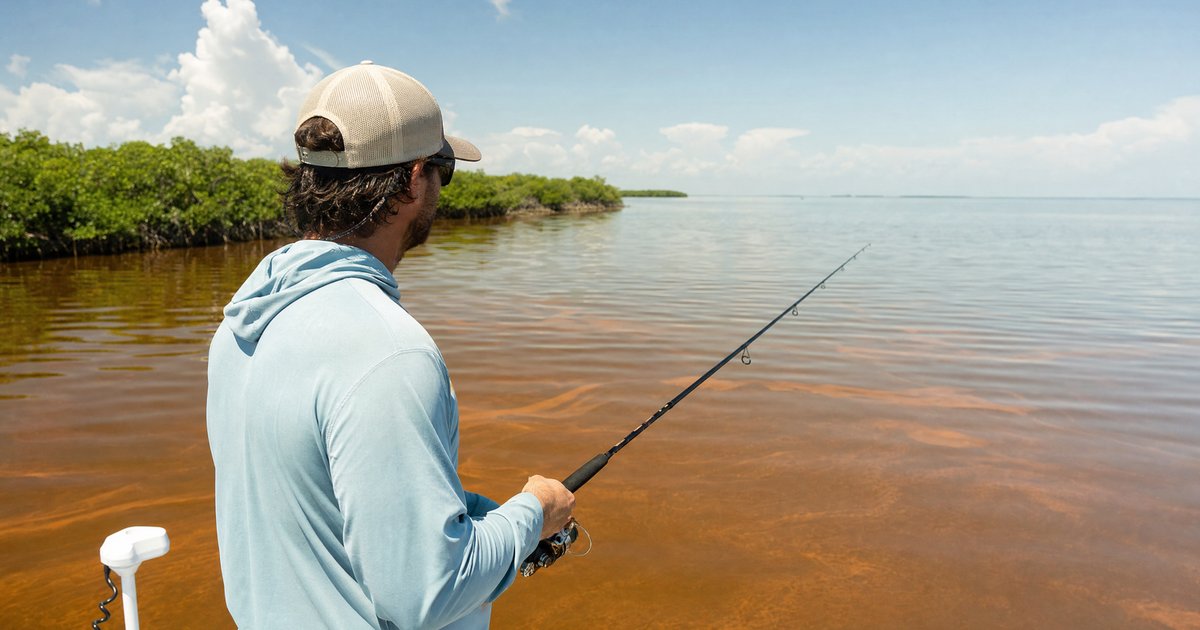
Let's be honest about something: there are days in June when even the morning bite is mediocre, and by 9 a.m. you're sitting in a kayak in 85°F heat wondering why you woke up at 4:30. It happens. Fishing involves uncertainty, and no pattern is a guarantee.
When the midday heat kills the shallow bite, you have a few options:
Go deep. If you have the gear for it, drop-shotting or jigging in 15–25 feet of water can produce fish throughout the day. Bass and walleye that have retreated to the thermocline are still catchable — they're just not going to chase. A finesse presentation right in front of their face is your best bet.
Find the shade. Dock fishing is underrated in summer. Bass will stack under floating docks in numbers that would surprise you, and they'll eat a drop-shot or a small jig worked vertically through the pilings even at noon.
Fish moving water. Rivers and streams stay cooler than lakes in June, and the current keeps oxygen levels higher. Smallmouth bass in Ozark streams, for example, can be active throughout the day in June because the water temperature stays more stable. I've had great midday smallmouth fishing on clear Ozark rivers when every lake in the area was completely dead.
A Note on Heat Safety
If you're kayak fishing in June, take the heat seriously. I've seen guys push through the midday heat and end up in real trouble — dehydration, heat exhaustion, and worse. Bring more water than you think you need, wear sun protection, and don't be too proud to get off the water when conditions get dangerous. The fish will be there tomorrow.
Building Your June Fishing Schedule
The Ideal June Fishing Day
If I'm planning a full day on the water in June, here's how I structure it:
4:45 a.m. — Launch. Get to your first spot before the sky starts lightening.
5:00–7:00 a.m. — Prime time. Topwater, moving baits, work shallow structure aggressively.
7:00–9:00 a.m. — Transition. Shift to slower presentations as fish pull back to cover.
9:00 a.m.–5:00 p.m. — Optional. Fish deep structure, dock fish, or take a break. This is when I eat lunch, check the weather, and plan my evening approach.
5:00–7:00 p.m. — Evening build. Start working transition areas as the sun drops.
7:00 p.m.–dark — Peak evening bite. Topwater, frogs, soft plastics in the shallows.
Weather Conditions That Change the Game
Not every June day follows the same script. A few conditions that can shift the bite significantly:
- Overcast skies: Cloud cover extends the feeding window dramatically. On a heavily overcast June day, fish may stay active in the shallows well into mid-morning and start feeding again earlier in the afternoon. These are the days to fish longer.
- Post-frontal conditions: A cold front in June — even a mild one — can shut the bite down hard for 24–48 hours. Fish go deep, go tight to cover, and become extremely finicky. Downsizing your presentation and slowing way down is the only reliable adjustment.
- Wind: A light chime is usually good. Wind breaks up the surface, reduces light penetration, and pushes baitfish against windward banks where predators stack up. Strong wind is a different story — especially in a kayak, where safety has to come first.
- Rain: A light, warm rain in June can be excellent. It cools the surface, reduces light, and seems to trigger feeding behavior. A thunderstorm is obviously a different situation — get off the water immediately if lightning is anywhere in the area.
Key Takeaways
Here's your quick-reference checklist for June fishing success:
- Launch before first light — the pre-dawn window is often the best 30 minutes of the day
- Topwater first — walking baits, poppers, and frogs in the first hour of light
- Transition to moving baits as the sun rises, then slow down as mid-morning approaches
- Check barometric pressure before your evening session — a falling barometer often means a better bite
- Evening bite builds slowly — start an hour before sunset and stay through dark if you can
- Overcast days extend the windows — don't pack up early just because it's 9 a.m.
- Go deep or find moving water when the midday heat kills the shallow bite
- Walleye are especially low-light dependent — dawn and dusk are non-negotiable for this species
- Stay safe — hydration, sun protection, and lightning awareness aren't optional
The fish are out there in June. They're just on a schedule. Get on their schedule, and you'll have some of the best fishing of the year.
FAQ
What is the best time to fish in June for bass?
The best time to fish for bass in June is during the early morning window, roughly 30 minutes before sunrise through about two hours after. Water temperatures are at their daily low, oxygen levels are higher, and bass push into the shallows to feed aggressively. A secondary evening window, starting about an hour before sunset, can be equally productive — especially on overcast days or when barometric pressure is slowly falling.
Why does the fishing slow down in the middle of the day during summer?
Midday summer fishing slows because rising water temperatures reduce dissolved oxygen levels in the shallows, making it metabolically inefficient for fish to feed aggressively. Bass and walleye retreat to deeper, cooler water or heavy shade cover to conserve energy. The high sun angle also increases light penetration, which makes light-sensitive species like walleye especially reluctant to feed in open or shallow water during peak daylight hours.
Do summer fishing patterns apply to walleye the same way they do to bass?
Yes, but walleye are even more dependent on low-light conditions than bass. Their eyes are adapted for dim light, giving them a predatory advantage at dawn and dusk that they don't have in bright conditions. In June, walleye in clear lakes may be almost completely inactive in shallow water during daylight, then push aggressively onto points and flats during the first and last hour of light. In rivers, current seams and deeper eddies hold fish throughout the day.
How does barometric pressure affect June fishing?
Barometric pressure influences fish behavior by affecting their swim bladders, which fish use to regulate buoyancy. A stable or slowly falling barometer generally correlates with more active feeding, while a rapid pressure drop ahead of a storm can trigger a brief feeding frenzy followed by a slowdown. Post-frontal high pressure — the clear, calm days after a cold front — tends to produce the toughest fishing conditions, as fish go deep and become finicky regardless of the time of day.
Is topwater fishing effective in June evenings, or is it mainly a morning technique?
Topwater is effective in both windows, though the character of the bite differs. Morning topwater tends to be explosive and fast — fish are actively chasing baitfish near the surface. Evening topwater builds more gradually, with fish moving to the edges of vegetation and structure as the light fades. The last 20–30 minutes before dark can produce some of the most violent topwater strikes of the season, particularly with frogs worked over matted vegetation or near bluegill spawning beds.