Northern Pike Fishing Guide: Spring Shallow Water and Summer Deep Weed Tactics
It was mid-April on a backwater bay off Lake Erie, water temperature sitting right around 48°F. I'd paddled my kayak into about two feet of water over last year's dead cattail mat, threw a big red-and-white spoon toward the edge of a submerged log, and got absolutely hammered on the third crank. The fish went airborne twice, peeled drag, and left me shaking. That's northern pike in the spring — and if you've never experienced it, you're missing one of the most exciting fisheries in the Midwest and Great Lakes region.
Pike get overlooked by a lot of bass and walleye anglers. Honestly, that works in our favor. Less pressure means more fish for those of us who target them intentionally. But casual success and consistent success are two different things. To fish pike well, you need to understand how they move through the year. The shallow-water spring game is completely different from hunting them along the deep summer weed edge, and treating both seasons the same way will leave you frustrated and fishless.
Here's what I've learned from targeting pike across Midwest lakes, Wisconsin backwaters, and Great Lakes tributaries over the past several years.
Why Spring is the Best Time to Target Northern Pike
Northern pike are among the earliest spawners in the freshwater calendar. They move shallow before the ice is fully off the lake, staging and spawning in water temperatures between 34°F and 50°F — cold enough that most other species are still dormant. That narrow temperature window pushes pike into accessible, shallow water while bass, walleye, and musky are still sitting in pre-spawn holding areas.
The result is a two-to-four-week window of some of the most consistent pike fishing of the year. Post-ice-out, pike move into flooded marshes, backwater bays, and shallow flats to spawn, then linger in those areas to aggressively rebuild energy. They're concentrated, they're hungry, and they're in water you can reach without a graph.
Spawn Timing by Region
Water temperature is your most reliable guide. Pike begin staging over vegetation, flooded grass, and soft-bottom flats when water hits the mid-to-upper 30s°F and are typically done spawning between 45°F and 52°F depending on the lake. Here's a rough regional breakdown:
| Region | Approximate Shallow Window |
|---|---|
| Upper Midwest (MN, WI) | Late March to late April |
| Great Lakes tributaries | Early April to early May |
| Missouri / southern Midwest | Mid-March to early April |
These are field-experience estimates — actual timing shifts with elevation, lake depth, and yearly weather patterns. For precise readings on your local water, USGS water temperature data is worth bookmarking.
Where to Find Spring Pike
Pike during and right after the spawn are about as predictable as they get all year. Focus on:
- Flooded vegetation — bulrush, cattails, and flooded shoreline grass along lake margins
- Shallow bays with dark bottoms — dark sediment absorbs solar heat faster, warming water ahead of the main lake
- River backwaters and sloughs — connected to the main lake but insulated from cold main-basin water
- South and west-facing shorelines — maximum sun exposure means faster warming in early spring
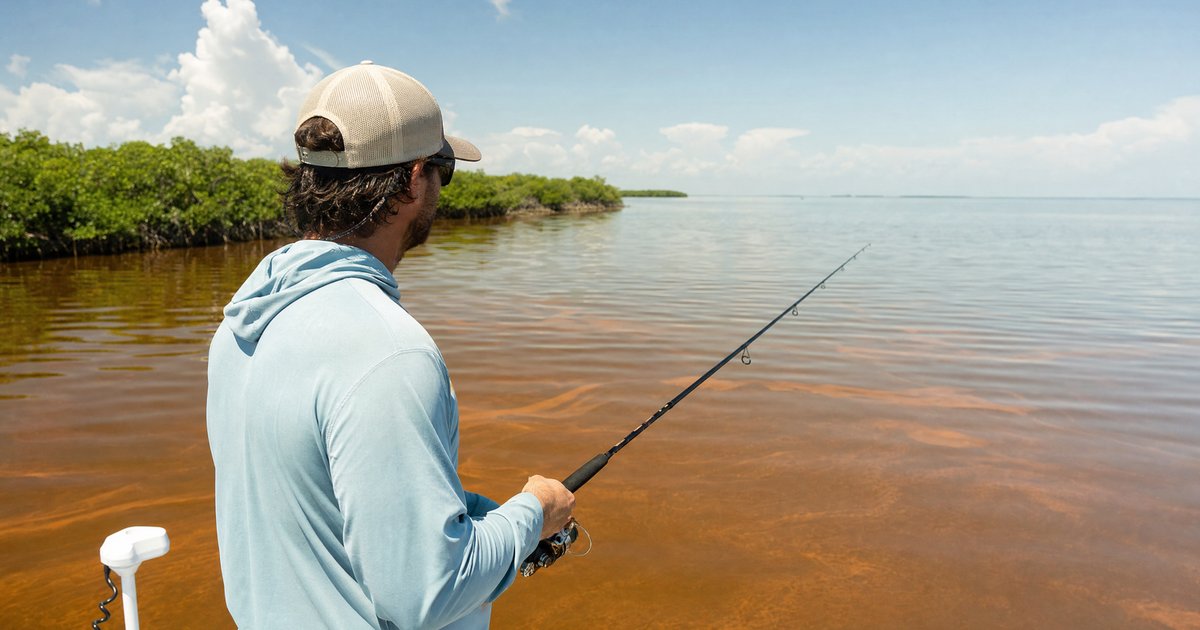
Water clarity shapes the timing, too. In clear lakes, pike push shallower earlier. In stained or tannic water, they'll stage on the first available cover even if conditions aren't textbook.
Field note: The best spring pike spots I've found aren't on the main lake at all. They're in the back of a bay, tucked behind a point, or up a short creek channel where the current has slowed and the sun has warmed a dark-bottom flat to 50°F while the main basin is still sitting at 42°F. The warmest water in the system holds fish first, every time.
Spring Pike Lures and Presentation
Spring pike are not subtle. They're cold, hungry, and aggressive, and they'll commit to large-profile baits that trigger a hard predatory response. The goal is vibration, flash, and a retrieve speed that gives a cold fish enough time to eat.
Top Spring Lure Choices
Spinnerbaits (3/4 to 1 oz, tandem blade) are my first call in early spring. The thump and vibration cut through cold, stained water and pull reaction strikes from fish that aren't actively hunting. Chartreuse-and-white or all-white are my go-to colors. Slow-roll just above submerged vegetation — if it's occasionally ticking weeds, you're in the zone.
Large inline spinners — Mepps Musky Killer or Blue Fox Super Vibrax in size 5 or 6 — are classics for a reason. Easy to vary depth, reliably flashy, and pike rarely ignore the vibration. Red-and-white or silver-and-white combos work well in stained water.
Fluttering spoons like the Johnson Silver Minnow and Eppinger Daredevle shine in flooded vegetation. Semi-weedless design, a wobble on the retrieve, and a flutter on the fall — that drop cadence is particularly effective in cold water when pike need a moment to commit.
Soft plastic jerkbaits on a 3/8 to 1/2 oz jighead round out the spring arsenal, especially in clearer water. Zoom Flukes or Savage Gear Pulse Tail Trout in white or chartreuse. Work a twitch-pause-twitch cadence — pike in cold water often eat on the pause, not the twitch.
Slow Down Your Retrieve
This is where a lot of anglers lose fish they never see. Cold water means a slower metabolism and a slower reaction window. Your instinct is to burn a spinnerbait — resist it. Cut your retrieve speed by roughly 40% compared to what you'd use in summer. Let the spoon flutter. Hold the pause on the jerkbait long enough to feel uncomfortable. Give the fish time to track, commit, and eat.
Spring Pike Ethics
Spring pike are either spawning or recently finished. They're stressed, and in many waters they're concentrated in protected habitat. If you're catching fish in less than two feet of water in April, you're almost certainly fishing near active spawning areas.
A few practices that matter:
- Use wet hands or a soft mesh net — dry hands strip protective slime
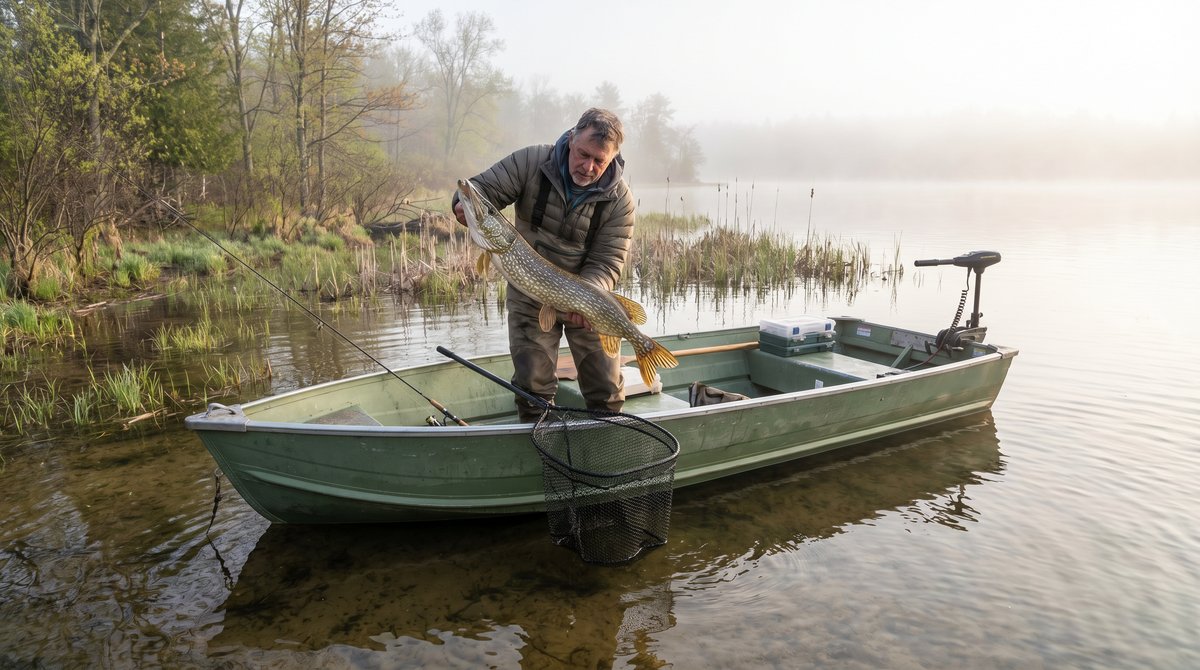
- Keep fish horizontal with the belly supported
- Keep fish out of the water under 30 seconds whenever possible
- Barbless hooks speed up the release significantly
Also verify your local regulations before you go. Minnesota, Wisconsin, and Michigan all have specific spring pike rules that vary by water body — some include full seasonal closures or designated spawning area restrictions. Check your state DNR before heading out.
Summer Pike: Finding Fish When They Move to the Deep Weed Edge
Once surface temperatures climb past 65°F to 68°F, the shallow bite fades and most anglers assume pike have simply stopped biting. That's not what's happening. Pike are cold-water predators thermoregulating in response to heat — they follow cool water, and in summer, that means the deep weed edge and the zone just above the thermocline.
Northern pike can tolerate temperatures up to about 75°F but feed most efficiently between 60°F and 68°F. In most Midwest and Great Lakes lakes, that temperature range sits along the deep weed edge — typically 8 to 18 feet — where vegetation still gets enough light to grow but the water stays cooler than the sun-baked shallows.
Reading Summer Weed Structure
The deep weed edge is your summer pike highway, but not all weeds hold fish equally. Here's what to prioritize:
- Cabbage (pondweed) and coontail — the two most productive summer weed types. Both hold baitfish, hold oxygen, and grow to fishable depths
- Hard weed edges — a defined break where vegetation stops abruptly, usually tied to a depth change, is far more productive than a gradual taper
- Weed points and pockets — irregularities in the weed line are ambush zones. Pike position where two edges converge, or at the tip of a weed point jutting into open water
- Outside points vs. inside turns — outside points hold numbers; inside turns adjacent to a depth drop often hold the biggest individual fish
Use your depth finder to map the weed edge before you start fishing. In most Midwest lakes, I'm targeting that 10 to 15 foot zone where the bottom of the weed canopy meets the depth break.
Field note: On hot, sunny summer days, the quality of the bite window narrows significantly. Before I leave the house, I check HookCast's fishing forecast for cloud cover trends and barometric pressure. Summer pike along the weed edge are most active during overcast or low-light periods when they push up higher in the water column. On bright, post-frontal bluebird days, expect them to bury deep in the cabbage and be stubborn about coming out.
Summer Lure Selection
The deep weed edge requires presentations that work in and through dense vegetation at depth. The spring spinnerbait arsenal mostly gets shelved.
Large swimbaits (6 to 9 inches) on a 1 to 1.5 oz jighead are the workhorse along the summer weed edge. Paddle-tail shad profiles in white or perch colors, cast parallel to the edge, sunk to the bottom of the weed canopy, and slow-rolled back. This presentation covers water efficiently and sits right in the strike zone.
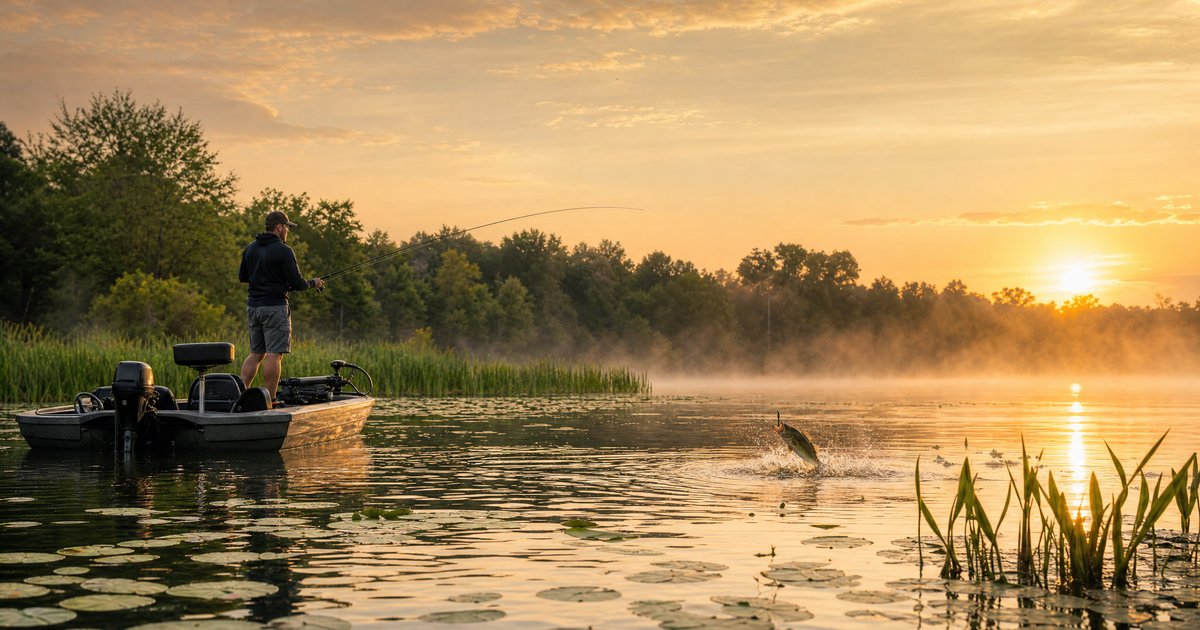
Topwater lures are criminally underused for summer pike. On overcast mornings and evenings, pike push up to the weed tops to feed on frogs, surface prey, and whatever else is unfortunate enough to be up there. A Whopper Plopper 190, a large popper, or a walk-the-dog bait like a Super Spook worked over cabbage beds produces some of the most violent strikes in freshwater fishing. This is the most fun way to catch a summer pike — not a close competition.
Weedless soft plastics — a Texas-rigged large paddle-tail or creature bait on a 5/0 wide-gap hook with a heavy bullet weight — let you punch directly into cabbage pockets and drag fish out. Bass tactics applied to pike, and they work extremely well when fish are buried in the thickest cover.
Bucktail jigs (1.5 to 2 oz) are a traditional trolling option along the weed edge but also work when cast and retrieved with a lift-drop motion just above the canopy. Good choice when fish are suspended higher in the water column.
Using Barometric Pressure to Time Your Trips
Summer pike respond noticeably to pressure changes. A falling barometer typically signals an active feeding period — fish move toward the weed edge and hunt. A rapid pressure rise following a cold front shuts the bite down, often for 24 to 48 hours afterward.
Standard atmospheric pressure sits around 1013.25 hPa. When readings drop below 1005 hPa and continue falling, expect action. You can check current pressure trends on HookCast before heading out — it's one of the most practical pre-trip checks you can make for timing a summer session.
Pike Gear Setup
You don't need a specialized musky rig or high-end tournament gear to fish pike effectively. But a few things aren't optional.
Rod, Reel, and Line
- Rod: 7' to 7'6" medium-heavy to heavy, fast action. Enough backbone to move fish out of weeds, enough tip sensitivity to feel the lure
- Reel: Any quality baitcaster or spinning reel with a smooth, reliable drag
- Line: 30 to 65 lb braided line — handles weed abrasion, sets hooks at distance without stretch, and doesn't stiffen up in cold spring water the way monofilament does
Wire Leaders
Non-negotiable. Pike teeth will cut through fluorocarbon and monofilament leaders, even heavy tests, faster than you'd believe. I've lost good fish learning this lesson the hard way.
Use single-strand or multi-strand steel wire leaders in 20 to 30 lb test, at least 12 inches long. Fluorocarbon above 60 lb has marginal bite resistance but isn't reliable for consistent fishing. Wire is the answer. Pike see leaders all day long — they're not nearly as leader-shy as people assume.
Landing Pike
- Always net the fish — protects both the pike and your hands
- Use long-nose pliers or a hook disgorger for deep hooks
- Hold fish horizontally — vertical holds stress the spine and internal organs
- Avoid gripping the gill plates — sharp edges on both sides, and you can injure the fish
Timing Your Trips: Best Conditions for Pike
Pike are time-of-day sensitive, particularly in summer when thermal stratification pushes them deep during bright midday hours.
High-percentage windows:
- Dawn to two hours post-sunrise — consistent across all seasons, best for topwater and weed edge fishing
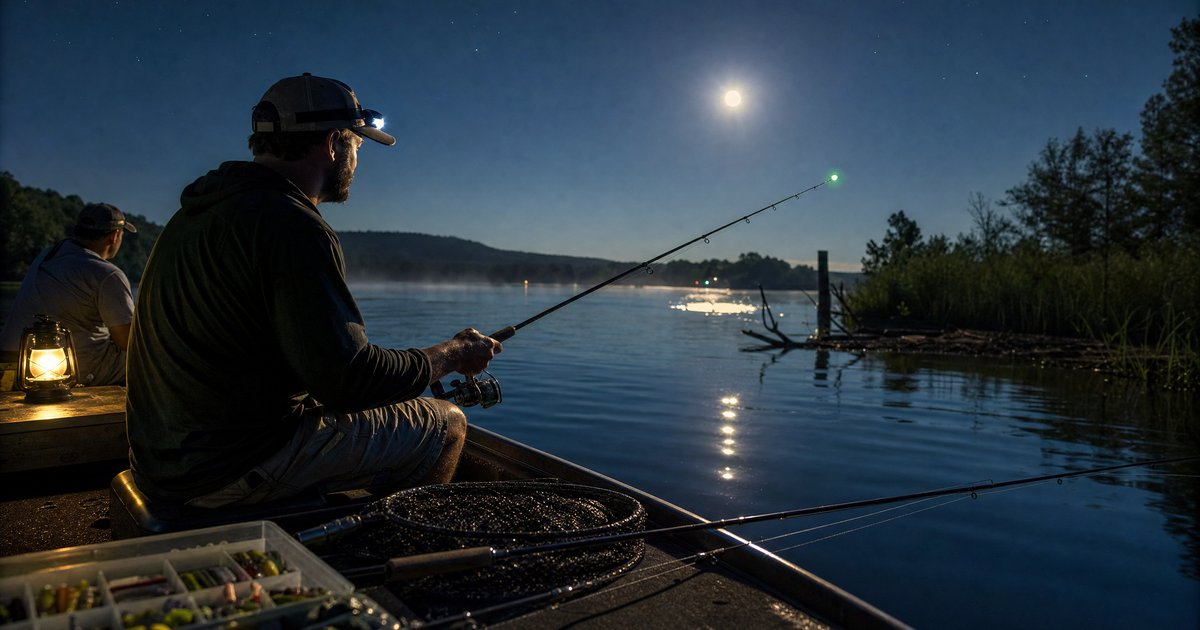
- Dusk to dark — reliable evening bite in summer, especially on warm, calm nights
- All-day overcast — cloud cover keeps pike mobile and active throughout the day at all depths
Tough conditions:
- Bright sun, high pressure, post-cold-front — pike retreat deep and go static
- Summer midday under direct sun — fish are possible at depth but rarely aggressive in the shallows
One additional variable worth tracking is the solunar calendar — the major and minor feeding windows tied to moon position. I won't overstate it, but in my experience the major solunar windows align with active fish more consistently than random timing. It's one of the pre-trip tools built into HookCast that I check alongside pressure and cloud cover before planning a morning session.
Key Takeaways
Spring (ice-out through mid-May):
- Fish shallow bays, backwaters, and flooded vegetation in 1 to 4 feet of water
- Prioritize dark-bottom, south-facing areas that warm ahead of the main lake
- Slow your retrieve significantly — cold water means slow commitment
- Spinnerbaits, spoons, inline spinners, and soft jerkbaits are the core spring lineup
- Handle fish carefully, respect spawning habitat, verify local regulations before fishing
Summer (mid-June through August):
- Follow fish to the deep weed edge, typically 8 to 18 feet
- Target cabbage and coontail with hard edges and structural breaks
- Concentrate efforts in low-light windows — dawn, dusk, and overcast days
- Swimbaits, topwater, weedless soft plastics, and bucktail jigs cover the summer arsenal
- Track barometric pressure — falling pressure means feeding fish
Year-round:
- Wire leaders, always
- 30 to 65 lb braid for line
- Horizontal fish handling, limited air exposure, wet hands or mesh net
- Know your state's season dates, size limits, and any water-specific regulations
Frequently Asked Questions
When is the best time to catch northern pike in spring?
The best spring pike fishing runs from ice-out through mid-May, with the exact window depending on your region and that year's temperatures. Pike spawn in water between 34°F and 50°F, which puts them in shallow, reachable water earlier than almost any other freshwater species. Focus on south and west-facing bays with dark bottoms and flooded vegetation — those spots warm first and concentrate fish.
What are the best lures for northern pike fishing?
In spring, spinnerbaits, large inline spinners, fluttering spoons, and soft plastic jerkbaits are the top producers in cold water. In summer, switch to large swimbaits, topwater lures, weedless soft plastics, and bucktail jigs worked along the deep weed edge. Regardless of season, always use a wire leader — pike teeth cut through mono and fluorocarbon quickly, even at heavier tests.
How deep do northern pike go in summer?
Summer pike typically position along the deep weed edge at 8 to 18 feet, depending on the lake's depth profile and weed growth. They're following cooler water temperatures, which in summer sit at depth near the thermocline. The base of the weed canopy — where cabbage or coontail meets the depth break — is the prime summer holding zone.
Do I need a wire leader for pike fishing?
Yes, without exception. Northern pike have sharp, interlocking teeth designed to hold and cut prey. Monofilament and fluorocarbon leaders will fail, even at heavy tests, with enough fish or enough time. Use single-strand or multi-strand steel wire in at least 20 lb test and a minimum of 12 inches. Pike are accustomed to seeing leaders and will still commit to a well-presented bait — the wire is not a meaningful deterrent.
Can you catch northern pike from a kayak?
Absolutely, and it's one of the best ways to fish them in spring. A kayak gives you access to shallow backwater bays that boats can't reach, and a low profile in clear water keeps you from spooking fish. Keep a firm grip on your rod when pike strike — they hit hard from a standstill. Have a net and long-nose pliers within easy reach before the first cast, and practice your landing and unhooking routine from a seated position before it becomes urgent.