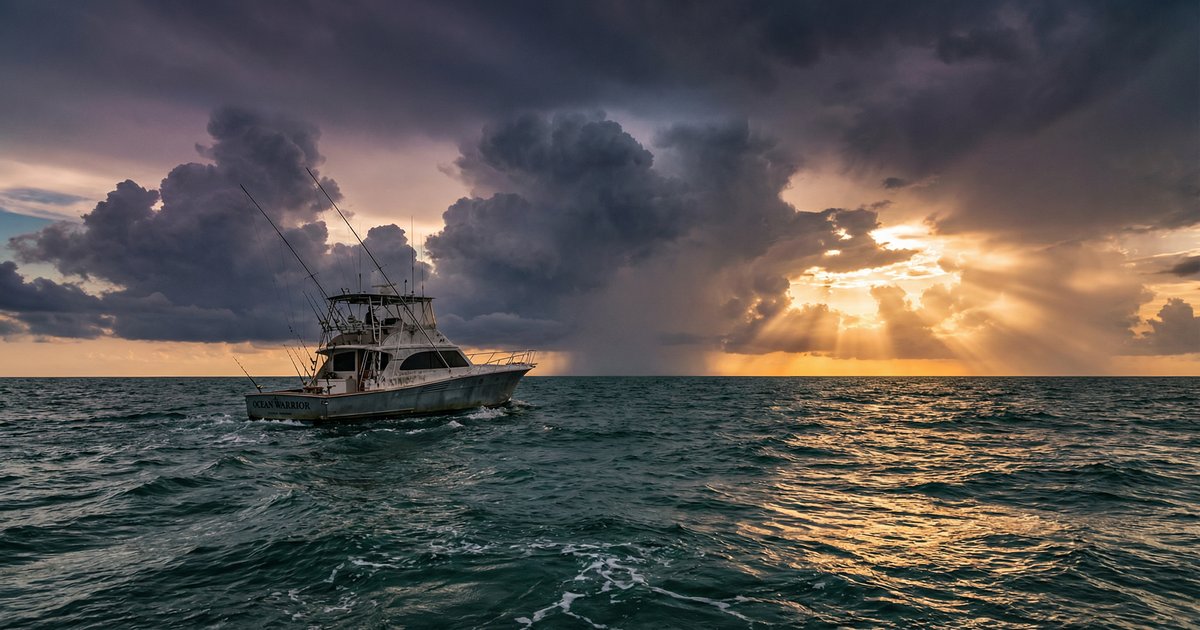
Saltwater fishing is unforgiving. Unlike a quiet lake where you can find fish regardless of conditions, the ocean responds dramatically to weather. Wind creates waves that limit boat access and spook fish in shallow water. Pressure swings move fish offshore or inshore. Currents concentrate or scatter baitfish. Understanding how these variables interact is what separates productive saltwater anglers from frustrated ones.
Wind: The Saltwater Angler's Primary Concern
Wind affects saltwater fishing more than any other single variable. Here's how:
Wave height and boat safety: Small craft advisory begins at 15–20 mph sustained winds, and most inshore flats fishing becomes impractical at 15+ mph because casting accuracy deteriorates and fish are spooked by chop and surface disturbance. For nearshore and offshore fishing, 20+ mph winds often make the trip unsafe or uncomfortable.
Water clarity: Sustained onshore winds stir up bottom sediment in shallow water, turning crystal-clear flats into green or brown soup. Turbid water makes sight-fishing nearly impossible and forces fish to rely more on lateral line and scent than vision. This can be worked to your advantage with noisy lures (rattles, poppers) or strong-scented live bait, but the fish are generally harder to locate.
Direction matters: Prevailing winds vary by location and season. In Florida's Gulf Coast, southwest winds are the norm in summer and typically create clean water conditions. Northwest winds after cold fronts push out offshore currents and improve inshore water clarity on the Gulf Coast but make Atlantic coast conditions rougher.
Wind rule of thumb: The best saltwater fishing weather usually occurs on calm days (under 10 mph) following 2–3 days of wind. The wind mixes and oxygenates the water, and when it calms, fish become more active in cleaner conditions.
Ocean Swells and Nearshore Conditions
Even on calm days, ocean swells from distant storms can make nearshore and offshore fishing rough. A 4-foot swell at 8-second intervals is manageable for most boats; a 4-foot swell at 4-second intervals (steeper, more aggressive wave pattern) is uncomfortable and potentially dangerous.
Check swell forecasts from NOAA's offshore marine forecast before any offshore trip. The swells you'll encounter at the reef or offshore banks are often dramatically different from what you see at the dock.
Water Temperature: The Species Distributor
Saltwater fish are ectothermic — their body temperature matches the surrounding water, and they're extremely sensitive to temperature changes:
Optimal ranges by species:
- Redfish: 60–85°F (best feeding activity 65–80°F)
- Snook: 65–90°F (below 60°F they become lethargic; below 50°F is lethal)
- Tarpon: 72–88°F (most active 76–84°F)
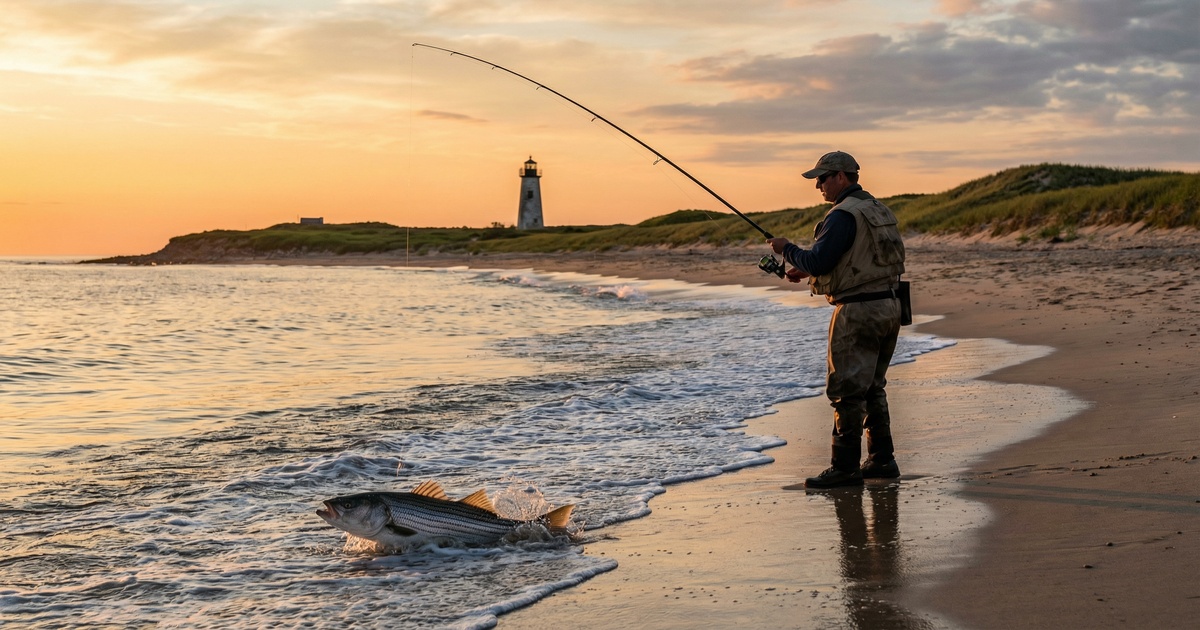
- Striped bass: 55–68°F (actively avoid warmer water)
- Flounder: 55–72°F (migrate offshore in cold winter months)
- Mahi-mahi: 70–85°F (offshore species following warm blue water)
Thermal fronts: Where warm and cold water meet — visible as color changes from brown/green inshore water to blue offshore water — concentrate baitfish and predators alike. These color lines are some of the most productive offshore fishing spots.
Cold fronts and coastal fishing: Each cold front passing through the Gulf Coast or Southeast temporarily drops water temperatures 3–8°F. This triggers a brief period of aggressive feeding as water cools (fish sense the change) followed by 2–4 days of slow fishing as they adjust to the new temperature baseline.
Coastal Fishing: Reading the Forecast
Barometric Pressure Trends
For coastal fishing, barometric pressure tells the story of what's coming:
Stable pressure (29.90–30.20 inHg, little change): Normal tidal patterns, predictable feeding behavior. Fish according to tide stage and solunar periods.
Dropping pressure (falling by 0.10+ inHg over 3–4 hours): Incoming front. Activate feeding bite, especially for inshore species. One of the best times to be on saltwater.
Rising pressure after front (30.30+ inHg and climbing): Post-frontal lockjaw. Water may be clear but fish are deep and selective. Consider targeting catfish, sheepshead, or other less pressure-sensitive species.
Visibility and Water Color
Clear water: Requires lighter leaders, longer casts, and more natural presentations. Sight-fishing opportunities are maximized. Fish are more selective but also easier to locate.
Stained water (light green/brown): Fish are less selective and more likely to hit noisier, brighter lures. Chartreuse and white patterns with rattles perform well. The bonus: you can get closer to fish without spooking them.
Dirty water (heavy brown or red): Typically poor fishing. Fish struggle to locate prey by sight and move to cleaner water areas. Find the edge of the dirty water where it meets cleaner conditions — predators often stack here.
Saltwater Fishing Forecast: A Daily Checklist
Before any saltwater trip, check these in order:
- Marine forecast — Wind speed, direction, wave height (NOAA/weather app)
- Tide chart — Times and heights for your specific launch location
- Barometric trend — Rising, falling, or stable? (HookCast fishing score)
- Water temperature — Especially important in shoulder seasons
- Solunar periods — Major and minor periods for your target time window
- Rain/lightning forecast — Critical for offshore trips
When all factors align — calm winds under 10 mph, moving tide, stable or slowly falling pressure, major solunar period, comfortable water temperature — you have a high-probability day. Prioritize those windows.
Why Coastal Fishing Requires Layered Data
No single variable determines saltwater fishing success. A perfect tide during the wrong pressure trend produces mediocre results. Ideal pressure with a dead slack tide is equally disappointing. Coastal fishing requires layered analysis — understanding how each factor interacts with the others.
That's precisely why HookCast's fishing score exists. We pull real-time NOAA weather data, marine forecasts, tide predictions, and solunar calculations and synthesize them into an hourly fishing score for coastal locations across the US. Instead of manually checking five different sources, you get one actionable number that tells you exactly when to be on the water.
FAQ
What wind speed is considered too dangerous for saltwater fishing?
For inshore flats fishing, winds above 15 mph make casting difficult and spook fish in shallow water. For nearshore and offshore trips, sustained winds above 20 mph are often unsafe or at minimum very uncomfortable. Always check the small craft advisory threshold before heading out, and when in doubt, stay home.
Does a calm, sunny day always mean good saltwater fishing?
Not necessarily. While calm conditions are generally preferred, the best fishing often occurs on calm days following 2–3 days of wind. The wind period oxygenates and mixes the water, and when conditions settle, fish tend to become more active. A calm day that follows a prolonged calm spell can actually produce slower action.
How does water temperature affect which species I can target?
Water temperature largely determines where fish are located and how actively they're feeding. Each species has an optimal temperature range — for example, snook feed best between 65–90°F and can die in water below 50°F, while striped bass actively seek cooler water in the 55–68°F range. Knowing your target species' preferred temperatures helps you predict seasonal movements and find fish more consistently.
Can I still fish after a windy period if the water looks murky?
Yes, but you'll need to adjust your approach. Turbid water forces fish to rely on their lateral line and sense of smell rather than vision. Switch to noisy lures like rattles or poppers, or use strong-scented live bait to help fish locate your presentation. Sight-fishing will be largely ineffective until clarity returns.
Why might offshore conditions be rough even on a calm, low-wind day?
Ocean swells generated by distant storms can create rough conditions far from their source. Even with little local wind, a steep swell pattern — such as 4-foot swells at 4-second intervals — can make offshore fishing uncomfortable or dangerous. Always check NOAA's offshore marine forecast for swell height and interval before any offshore trip, not just local wind conditions.