Seasonal Fishing Calendar: Month-by-Month Guide for US Anglers
You drove two hours to the lake on a Saturday in early March. Temps hit 60°F, felt like spring, and you figured the bass would be going crazy. Spent six hours throwing everything in the box. Crickets.
Here's what probably happened: the water temperature was still in the low 40s. Bass are cold-blooded — they don't care what it feels like outside. They care about what's happening underwater, and in early March across most of the country, the answer is "not much yet."
That's the whole point of fishing seasonally. It's not about what month it is on the calendar — it's about understanding how fish behavior shifts with water temperature, spawn cycles, and forage availability. Once you connect those dots, you stop guessing and start fishing with a plan.
This calendar is built around freshwater fishing in the US, with a lean toward bass, walleye, crappie, and trout — the species most of us are actually chasing. I'll flag regional differences where they matter, because January in Florida is not January in Minnesota.
Winter Fishing (December–February): Slow Down or Go Home Empty
Winter gets a bad reputation, and honestly, part of it is earned. But "slow" doesn't mean "impossible." It means you need to adjust your expectations and your tactics.
What's Happening Underwater
Water temps below 50°F push most bass, walleye, and crappie into a low-metabolism state. They're not feeding aggressively — they're conserving energy. Fish metabolism is directly tied to water temperature, meaning feeding frequency drops significantly in cold water. For bass, that translates to tight schools holding on deep structure: main lake humps, channel bends, creek confluences.
The key winter adjustment: slow down your presentations. A finesse approach — drop shots, shaky heads, hair jigs for walleye — outproduces reaction baits almost every time in water under 45°F. I've caught my most satisfying winter bass on a 4-inch straight-tail worm dragged painfully slow along a 20-foot ledge in Missouri. Not glamorous, but effective.
Regional Notes
- Deep South (Florida, Gulf Coast states): This is actually prime season for largemouth. Water temps in the 55–65°F range trigger pre-spawn activity. Florida bass in Lake Okeechobee — the largest freshwater lake in Florida — start staging near vegetation as early as late December.
- Midwest and Great Lakes: Ice fishing season. Walleye, perch, and crappie through the ice. Check local regulations — many states have specific ice fishing rules and licensing requirements.
- Southeast and mid-Atlantic: Variable. A warm spell in January can flip the bite on quickly. Watch water temp more than air temp.
Best Winter Targets
- Largemouth bass: Deep finesse rigs, blade baits, suspending jerkbaits on warmer days
- Crappie: Mid-depth brush piles, slow-jigged tube jigs
- Walleye: Blade baits and jigging spoons in the Great Lakes region; tip-ups with live suckers for ice fishing
- Trout: Excellent if you have open-water streams — trout are cold-water fish and feed actively all winter
Field note: I always check current barometric pressure on HookCast before a winter trip. A stable, high-pressure system in winter is about as good as it gets. When pressure is falling, fish often go completely lock-jawed — and in cold water, they don't bounce back as fast as they do in summer.
Spring Fishing (March–May): The Best Window of the Year
If I could only fish one season, it's spring. No question. The spawn draws fish shallow, feeding ramps up aggressively, and fish that have been lethargic for months are suddenly on a mission.
March: The Warm-Up
Water temps in the 45–55°F range across most of the country. Bass are starting to move from their winter haunts toward spawning areas, but they're not there yet. This is the pre-spawn period — fish are feeding heavily to build energy reserves.
Target transition zones: points leading into coves, secondary channel banks, north-facing banks that warm first. A jerkbait or a lipless crankbait worked slow and steady is deadly this time of year.
In the Ozark streams I grew up fishing, March is when the smallmouth start getting active in the gravel runs. Water clarity is usually good before the spring rains, and you can sight-fish staging fish in the slower pools.
April: Spawn Season
This is peak action for most of the central US. Water temps between 60–75°F push bass onto beds. Walleye, which spawn earlier than bass (around 44–50°F), are wrapping up their spawn and moving into aggressive post-spawn feeding.
Handle spawning bass with care. Bedding fish are protecting eggs and fry — if you catch and keep them too long, you can wipe out an entire nest. Wet your hands before handling, keep fish in the water as much as possible, and return them to the same area quickly. This isn't just good ethics — in many states there are size and bag limits specifically designed to protect spawning populations.
April crappie fishing is outstanding across the South and Midwest. As water temps hit the low 60s, crappie move shallow to spawn around any available structure — dock posts, flooded bushes, rip-rap banks. Small tube jigs and tiny spinners work well here.
May: Post-Spawn Recovery and Reaction Baits
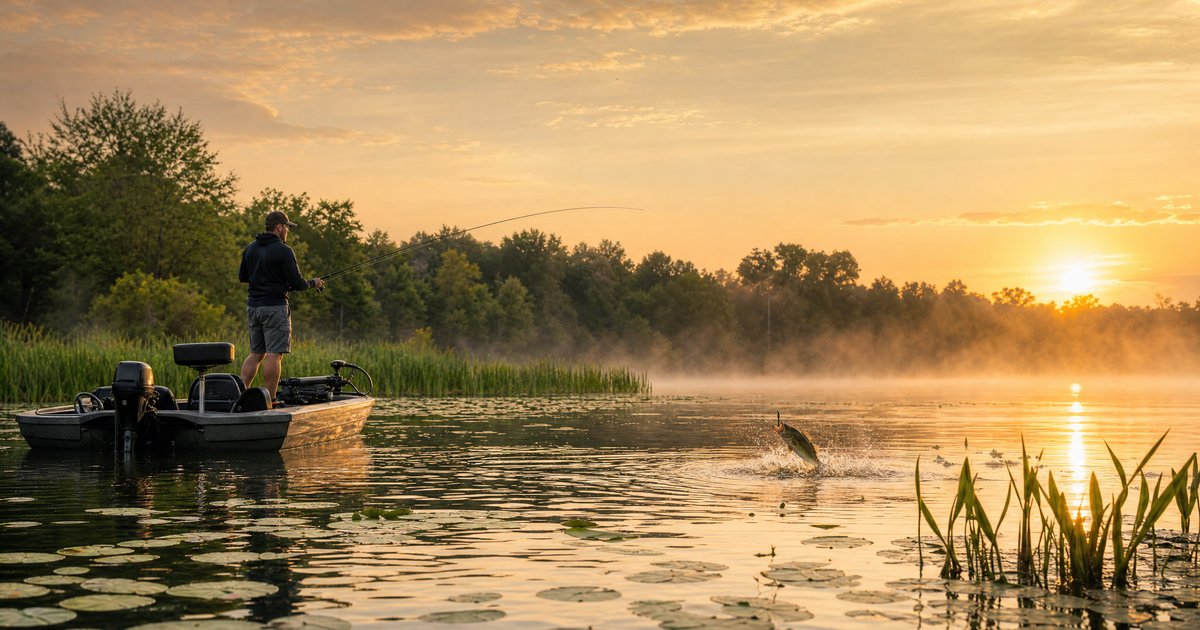
By late May, bass have finished spawning and females especially are feeding aggressively to recover. This is when topwater shines. Early morning poppers, walking baits, and frogs around grass edges are as fun as fishing gets.
Pro tip: May is also when shad spawn near riprap and dam faces. If you can find shad busting on the surface near hard structure, largemouth and smallmouth will be stacked underneath them. I've had mornings in May where I couldn't keep a swimbait out of the water long enough to cast.
Walleye in the Great Lakes are moving into their post-spawn feeding windows. Jigging or live rigging crawler harnesses along rocky points produces well.
Check HookCast's solunar calendar before your May trips — solunar peaks during spring can concentrate feeding activity into surprisingly short windows, especially during early morning.
Summer Fishing (June–August): Beat the Heat or Fish Around It
Summer is polarizing. Warm water temperatures mean active fish metabolism and faster digestion, which sounds good — but it also means fish can become lethargic during peak afternoon heat, especially in shallow water that can push into the upper 80s°F.
June: Transition Month
Early June is still excellent. Fish haven't fully shifted to summer patterns yet, and the water isn't at its hottest. Topwater bass fishing in June is among the year's best.
For walleye anglers, June is when you start making the transition to trolling crankbaits along deeper structure in the Great Lakes — the fish have moved off their spring runs and are settling into summer haunts.
July–August: Early and Late, or Go Deep
The mid-day bite in summer is often brutal. Water temps in the shallows can exceed 85°F, which stresses fish and shuts down the bite. The game plan shifts to:
- Dawn and dusk: The productive feeding windows narrow. First light and the last hour before dark are peak times.
- Deep structure: Bass and walleye move deep during the heat of the day. Offshore humps, deep brush piles, and thermoclines (the layer where warm surface water meets cooler deep water) hold fish.
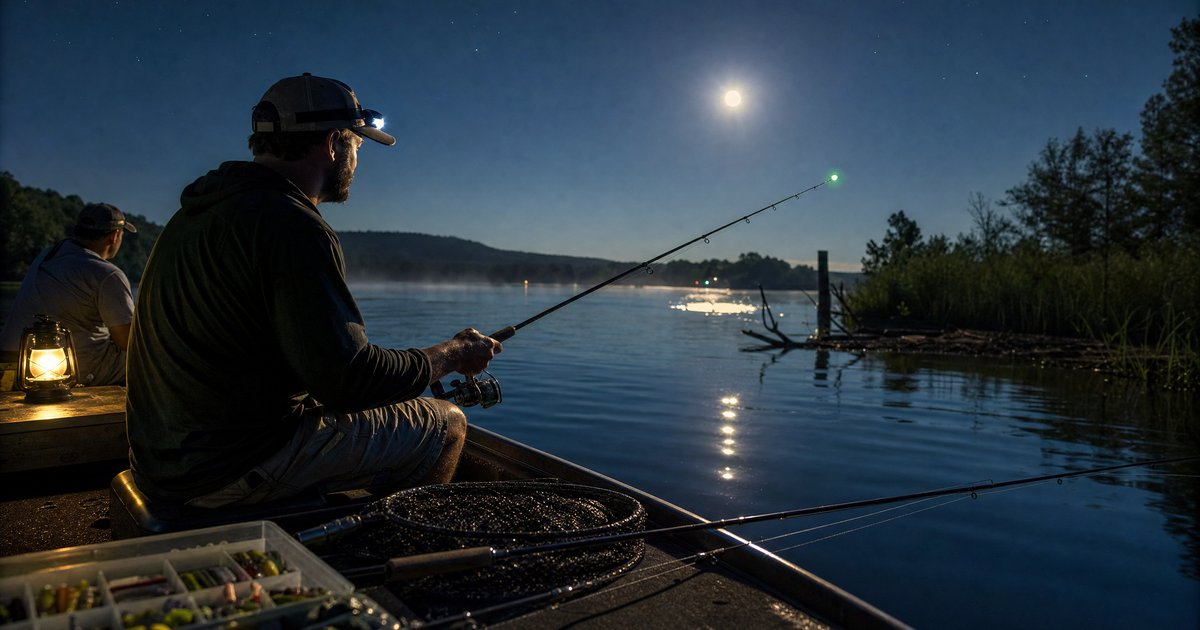
- Night fishing: Largemouth bass are notoriously active after dark in summer. Big topwaters and dark spinnerbaits around docks and grass edges. If you're fishing at night, tell someone where you're going, use a headlamp, and be aware of boat traffic.
Summer is also prime time for panfish. Bluegill and sunfish are spawning and feeding aggressively throughout June, and they're genuinely underrated as a summer target — especially for kayak anglers in farm ponds and small lakes.
Regional Adjustments
- Northern states (Minnesota, Wisconsin, Michigan): Summer is the prime walleye season. Water temps are ideal, and the longer daylight hours during the walleye feeding windows around dawn and dusk are incredibly productive.
- Southern states: Bass fishing can get tough in August. Focus on deep grass edges, hydrilla lines, and shaded areas around boat docks.
Fall Fishing (September–November): The Second-Best Season
Fall is underrated by anglers who give up too early. It's my second favorite season, and honestly, some of my biggest bass of the year have come in October and November.
September: Bass Are Feeding Up
Water temperatures are starting to drop from their summer peaks, and bass metabolism is still running hot. They're feeding heavily before winter, following baitfish schools into shallower water. This is the fall turnover period in many lakes — when surface and deep water mix due to cooling temps — which can temporarily muddy the bite. Once turnover is complete, fishing usually improves dramatically.
September is also excellent for river smallmouth in the Ozarks and Appalachian drainages. Flows are typically lower and clearer, fish are visible and accessible, and they're aggressive. If you're not throwing topwaters for Ozark smallmouth in September, you're missing one of the best experiences freshwater fishing has to offer.
October: The Chase Season
Baitfish schools — primarily shad in most of the country — stack up in the backs of creeks and coves, chased by hungry bass and stripers. You can often find fish by watching for bird activity (herons and diving birds) above active bait schools.
Umbrella rigs, large swimbaits, and spinnerbaits all shine in October when matched to shad color. The fish aren't being subtle — they're gorging.
Walleye in the Great Lakes go into a fall feeding frenzy that rivals spring. Fall cooling trends in Great Lakes tributaries are a reliable trigger for walleye staging behavior. Jigging and trolling both work well.
November: Finesse As Water Cools
By mid-November across most of the country, water temps are dropping below 55°F again. The fall shad bite begins to wind down. It's time to scale back — smaller baits, slower presentations, back toward the finesse approach that worked in late winter.
Trout fishing is excellent in November across the Northeast, Upper Midwest, and Mountain West. Stream flows are usually good, fish are active in the cool water, and fall colors on the creek banks make it a genuinely beautiful experience.
Field note: November is also when many states wrap up their fishing seasons for certain species. Always verify current regulations through your state fish and wildlife agency before heading out — slot limits, size restrictions, and season dates change, and it's not worth a fine or a conservation violation.
Quick-Reference Fishing Calendar
| Month | Water Temp (Approx.) | Top Species | Key Techniques |
|---|---|---|---|
| January | 35–45°F | Bass, Crappie, Trout (ice in north) | Drop shot, blade bait, slow jig |
| February | 38–48°F | Bass, Crappie, Walleye | Finesse, hair jigs, tip-ups |
| March | 45–58°F | Bass, Walleye, Smallmouth | Jerkbait, lipless crank, pre-spawn patterns |
| April | 55–68°F | Bass (spawn), Crappie, Walleye | Bed fishing, tube jigs, crawler harnesses |
| May | 62–74°F | Bass, Walleye, Panfish | Topwater, swimbait, post-spawn aggression |
| June | 68–80°F | Bass, Panfish, Walleye (trolling) | Topwater AM, trolling cranks, deep structure |
| July | 78–88°F | Bass (deep/night), Panfish | Deep jigging, night topwater, drop shot |
| August | 80–88°F | Bass (deep), Catfish, Panfish | Deep finesse, live bait for cats |
| September | 68–78°F | Bass, Smallmouth, Walleye | Topwater, swimbaits, river wade fishing |
| October | 55–68°F | Bass, Stripers, Walleye | Umbrella rigs, spinnerbaits, jigging |
| November | 45–58°F | Bass, Trout, Walleye | Finesse, streamers, slow presentations |
| December | 38–48°F | Bass (South), Trout, Ice fish | Slow finesse, ice jigs (north), crankbaits (south) |
Key Takeaways
- Water temperature drives everything. Ignore the calendar date — watch the water temp. Most bass behavior shifts happen at 50°F, 60°F, and 70°F thresholds.
- Spring and fall are the most productive seasons for the widest range of freshwater species across the US.
- Adjust your retrieve speed with the season. Cold water = slow down. Warm active fish = match their energy.
- Pre-spawn and post-spawn periods often outfish the spawn itself. Aggressive feeding happens before and after — not just during.
- Fish early and late in summer. Midday heat shuts down the shallow water bite almost everywhere.
- Check barometric pressure and solunar data before any trip. A quick look at HookCast before you load the kayak takes 30 seconds and can save you a wasted drive.
- Always verify local regulations. Season dates, slot limits, and size restrictions vary by state and even by body of water. Fish legally and fish sustainably.
FAQ
What month is the best for fishing in the US?
May is generally considered the best single month for freshwater fishing across most of the US. Bass are finishing their spawn and feeding aggressively, walleye are in post-spawn mode, crappie are shallow, and panfish are active. Water temperatures are in the ideal range of 62–74°F for most species, and feeding activity is consistent throughout the day rather than limited to early morning or late evening windows.
How does water temperature affect fishing?
Water temperature directly controls fish metabolism — the warmer the water, the faster a fish digests food and the more frequently it needs to feed, up to a species-specific optimal range. Bass are most active between 65–80°F, while trout prefer 50–65°F. Below 50°F, most warmwater species like bass and crappie slow down significantly and require slower, smaller presentations to trigger bites. Above 85°F, shallow water bass become stressed and often move deeper to find cooler temperatures.
When do bass spawn, and should I fish for them during the spawn?
Largemouth bass typically spawn when water temperatures reach 60–75°F, which falls between late March and late May depending on your region — earlier in the Deep South, later in the northern US. Bass can be caught during the spawn by sight-fishing beds, but it's important to handle spawning fish carefully and return them quickly to protect nests. Many experienced anglers focus on pre-spawn and post-spawn periods instead, when bass are actively chasing food rather than defending eggs.
Is fishing good in winter, or should I wait until spring?
Winter fishing can absolutely be productive, especially in the southern US where water temperatures stay in the 50–60°F range. In northern states, ice fishing for walleye, perch, and crappie is a legitimate and popular option. For open-water anglers in the Midwest and Northeast, winter bass fishing on deep structure with slow finesse techniques — drop shots, blade baits, hair jigs — can produce quality fish. Trout anglers actually have some of their best fishing in winter since trout are cold-water species that remain active year-round.
How do I use a fishing calendar to plan my trips better?
A fishing calendar works best when you combine it with real-time data rather than using it as a fixed schedule. Use the seasonal patterns to identify what species and techniques are likely productive, then cross-reference with current water temperature, barometric pressure trends, and solunar periods before each trip. Tools like HookCast's fishing weather forecasts can help you pinpoint the best days within a given week or month. The calendar gives you the framework — current conditions tell you whether to go on Saturday or wait until Sunday.