标题:Slack Tide Fishing: Is Dead Tide Really Dead, or a Hidden Opportunity?
Slack Tide Fishing: Is Dead Tide Really Dead, or a Hidden Opportunity?
You drove three hours to fish a tidal flat for redfish. You got there at first light, made perfect casts, and the fish were stacked. Then around mid-morning, everything just... stopped. The water went flat. The bait scattered. The bite died like someone flipped a switch. You sat there wondering what went wrong.
Nothing went wrong. You just hit slack tide — and if you understood what that means, you could have stayed in the game instead of heading back to the truck early.
I'm a Midwest kayak guy by heart, but I've spent enough time chasing redfish, flounder, and speckled trout along the Gulf Coast and Southeast Atlantic to learn that tidal movement is everything for inshore fishing. And one of the most misunderstood windows in coastal fishing is the one that most people call "dead tide."
Here's the deal: slack tide isn't automatically a dead period. It's a transition. And transitions, if you fish them right, can be some of the most productive windows of the day.
What Slack Tide Actually Is (And Why It Gets a Bad Rap)
Slack tide is the short window — typically 20 to 45 minutes, though it can stretch longer in some locations — when tidal current slows to near zero between an outgoing and incoming tide, or vice versa. The water isn't moving much. Visually, it can look almost like a dead lake on a calm day.
The NOAA tidal predictions tool gives you exact times for high and low water at thousands of stations across the US. That predicted high or low tide time is basically the center of your slack window.
Here's why slack tide gets a bad reputation:
- Baitfish suspend instead of being pushed by current into predictable ambush zones.
- Predators don't have to work as hard — bait isn't concentrated at creek mouths or along channel edges.
- Lure action changes — presentations that rely on current for natural movement suddenly look awkward.
- Visibility can shift — on outgoing tides especially, suspended sediment settles and water clarity changes.
All of that sounds bad. And honestly, for some techniques and some species, slack tide really does slow the bite. But the mistake most anglers make is treating slack tide as a coffee break instead of a tactical adjustment.
How Slack Tide Affects Different Coastal Species
Not every fish responds the same way to a slack tide window. This matters a lot when you're deciding whether to stay on the water or take a break.
Redfish and Speckled Trout
These two are probably the most commonly targeted inshore species along the Gulf Coast and Southeast Atlantic, and they behave differently during slack tide.
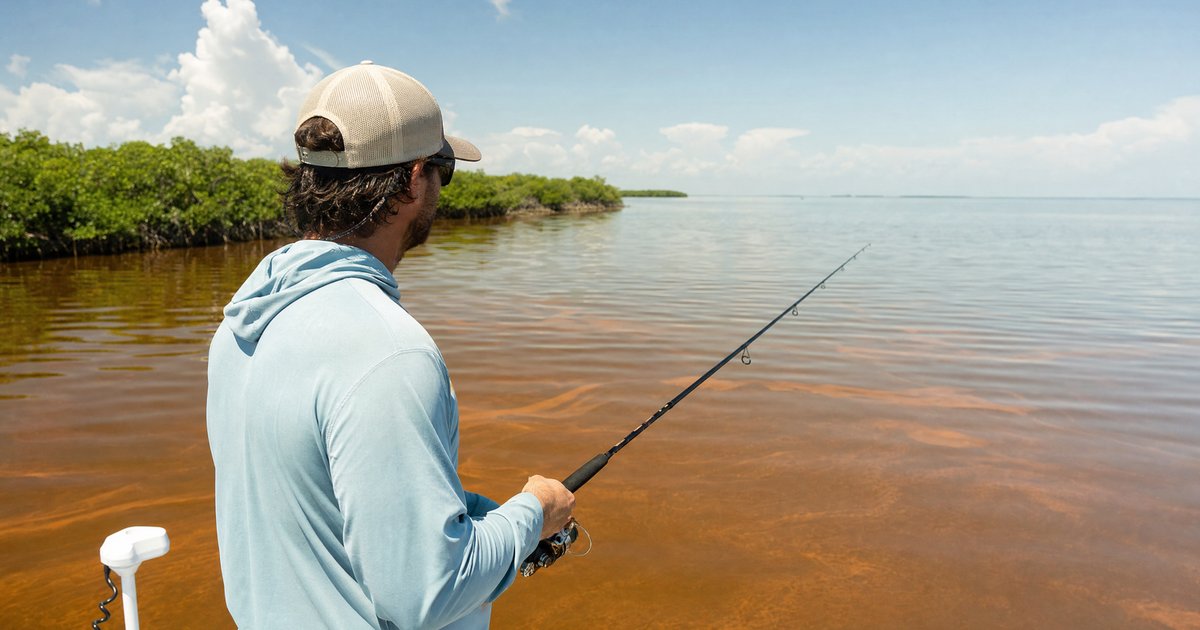
Redfish are opportunists. They don't need current to feed. During slack tide, reds often root around in shallow grass flats and potholes — almost like they're freelancing now that the "conveyor belt" of baitfish has stopped. They become more visual hunters. This is actually a solid time to switch from a fast-moving spinnerbait or paddle tail to something slower — a gold spoon worked methodically, a weedless soft plastic on a light jighead, or even a popper if bait is dimpling the surface.
Speckled trout are more current-dependent. During slack, they often move off the edges of channels and drop into deeper adjacent water. The bite doesn't stop — it relocates. Checking tide charts for your area will help you time when to be on the flat versus when to probe the edges.
Flounder
Flounder are ambush predators that use current to their massive advantage. They lay in depressions, at the edges of grass beds, and near structure — all waiting for bait to wash past them. Take away the current, and flounder have to work harder.
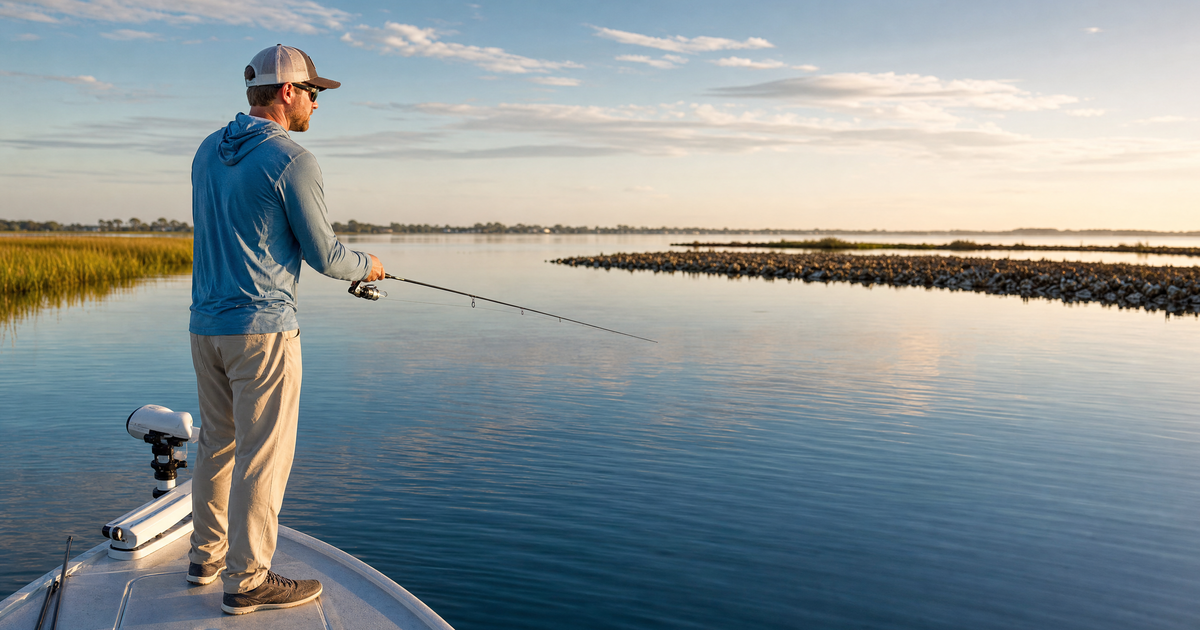
During slack, flounder often go tight to structure: oyster bars, dock pilings, bridge footings. They're not gone — they've just repositioned. Fish slow and deliberate. A gulp shrimp or a small paddle tail worked right along the bottom near hard structure will still get bit.
Striped Bass and Bluefish (Northeast)
In tidal rivers and estuaries from the Chesapeake up to New England, striped bass are heavily tied to current. Slack tide can be noticeably slower for striper fishing, especially in fast-moving tidal rips. That said, slack is a great time to position yourself for the next tide push — you want to be anchored or staked out at your best ambush spot before current starts building, not scrambling to get there after it's already going.
Field note: One of my fishing buddies down in coastal Georgia calls slack tide "the reshuffle." The fish don't disappear — they just change ZIP codes. Your job is to figure out the new address fast.
Why Slack Tide Isn't Always Dead: The Science Side
Here's something that doesn't get talked about enough: slack tide duration and intensity vary a lot by location.
In some areas — like parts of the Georgia and South Carolina coast — the tidal range can exceed 8 feet. In a system with that much water moving, the transition between tides is relatively quick, and the "dead" window is short. In areas with a smaller tidal range, like parts of the Gulf Coast where the tide might only move 1–2 feet, slack can last longer, but even peak current is milder.
SeaGrant coastal research has documented how tidal current variations affect predator-prey relationships in estuarine systems — essentially confirming what experienced inshore anglers already know intuitively: when the current stops, bait behavior changes, and predators adjust.
A few things that keep fishing productive through slack tide:
- Structure. Natural bait concentrators — oyster bars, bridge pilings, dock edges — keep some bait compressed even without current. Predators know this.
- Water temperature. In warmer months, fish are more metabolically active and feed more opportunistically. Cold water compounds the slack-tide slowdown into genuine lockjaw territory.
- Barometric pressure. A stable, high-pressure day can keep fish active even through slack, while dropping pressure before a front makes slack feel like a total ghost town. Checking HookCast's weather data for pressure trends before heading out helps you decide whether to power through a slack window or grab lunch.
- Bait presence. If mullet, menhaden, or glass minnows are still visible on the surface during slack, fish are probably still feeding nearby — they're just not as committed to a specific ambush point.
Practical Tactics for Fishing the Slack Window
So you're on the water and slack hits. Here's how to approach it instead of just watching your rod tip.
Slow Down Everything
This sounds obvious, but it's harder than it sounds when you're in "fishing mode." During active current, a fast-moving swimbait or paddle tail looks natural because the water itself is adding motion. During slack, that same lure looks like a fish having a seizure. Slow your retrieve, drop lure weight so it sinks more naturally, and let the bait do the work on the fall.
Gear adjustments for slack tide:
| Tide Phase | Suggested Approach |
|---|---|
| Active incoming/outgoing | Fast swimbaits, bucktails, jerkbaits |
| Approaching slack | Moderate paddle tails, drop-shot rigs |
| Full slack | Weedless soft plastics, slow-sinking plugs, poppers |
| Current rebuilding | Return to active presentations |
Target Structure First
When current dies, find the hardest structure you can reach — oyster bars, dock pilings, bridge shadow lines, rock jetties. During slack, bait that was spread across a flat will compress against anything solid. Work the edges of structure with slower presentations before the current rebuilds.
Move Deeper
During outgoing slack especially, many species slide into adjacent channels and deeper holes. If you're fishing a flat that's 1–3 feet deep, look for the nearest drop to 5–7 feet. You don't need to go far — even a subtle depth change can concentrate fish during the transition.
Fish Topwater
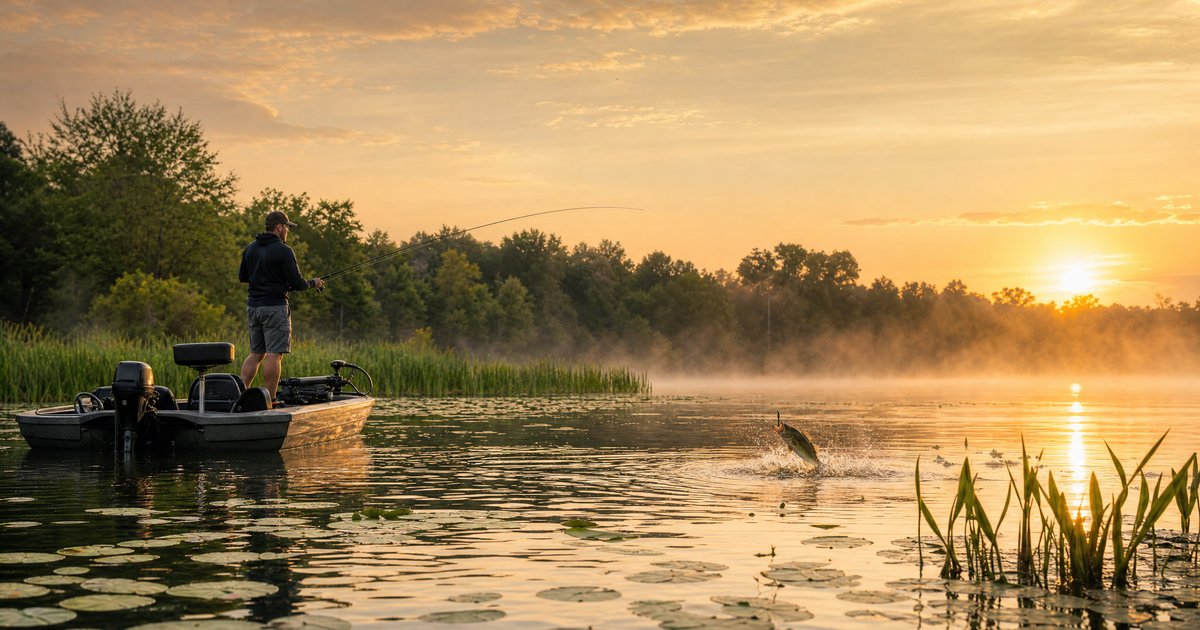
This is the tactic that surprises most people. Slack tide, particularly in the early morning or evening, can actually be a prime topwater window. Without current pushing bait around, predators are cruising and looking up. A well-placed popper or walk-the-dog lure can draw explosive strikes from fish you'd never reach with a subsurface presentation during moving water.
Pro tip: During morning slack on a grass flat, position yourself upwind of any visible bait activity and work a popper through it. You're targeting fish that have abandoned their current ambush points and are actively hunting. These fish often hit hard.
Watch the Birds
Pelicans, terns, and herons don't take breaks based on tidal cycles — they follow the bait. If you see bird activity during slack tide, that's your best indicator that predator activity is still happening somewhere below the surface.
When Slack Tide Really Is the Right Time to Rest
Sometimes slack tide is legitimately slow, and that's okay.
If a cold front moved through 24–48 hours ago, the barometer is dropping rapidly (below approximately 1009–1010 hPa, per NOAA atmospheric standards), and you're hitting slack tide on top of that — yeah, it might be a good time to eat a sandwich, check your drag, and re-tie. Stacking multiple negative factors usually equals slow fishing regardless of technique.
Slack tide is also a natural time to reposition. Use the slack window to move from your current spot to where you want to be when the next tide starts. That way you're already set up before the current builds — not scrambling to get there when the bite turns back on.
Situations where slack is a good time to rest or reposition:
- Cold front aftermath (24–48 hours post-front)
- Rapidly falling barometric pressure
- Midday heat in summer (many coastal fish go deeper and become inactive)
- New moon or full moon spring tides where the slack window is short — use it to eat and refuel before the next rush
The key is being intentional. Whether you're fishing through slack or using it to move, you should have a plan — not just sitting there hoping something bites.
Planning Around Slack: A Practical Pre-Trip Approach
Here's how to approach a coastal fishing day with slack tide built into the plan rather than treated as dead time.
Night before:
- Pull up tide charts for your area and note your local high and low tide times.
- Check the predicted tidal range — bigger range means stronger current and shorter, more defined slack windows.
- Review barometric pressure trends for the trip window.
Day of:
- Identify your "prime current" windows — roughly 1–2 hours before and after each tide change, not right at the predicted high or low.
- Plan your locations accordingly — be on active structure during prime windows and adjust to deeper or hard structure during slack.
- Keep a backup spot in mind for when slack hits your main zone.
If you get two tidal cycles in a day (common with semi-diurnal tides along most of the US Atlantic and Gulf coasts), you've got two prime windows and two slack transitions to plan around. That's actually solid structure for a full fishing day.
Key Takeaways: Slack Tide Cheat Sheet
- Slack tide is the window around predicted high and low tide when current slows to near zero.
- It's a transition, not a death sentence for fishing.
- Species respond differently — redfish keep hunting, speckled trout relocate deeper, flounder go tight to structure.
- Structure, water temperature, barometric pressure, and bait presence all affect how productive slack fishing can be.
- Adjust presentations: Go slower, lighter, and more deliberate during slack.
- Topwater can actually produce during morning and evening slack — don't ignore it.
- Use the slack window to reposition, re-tie, and set up for the next tidal push.
- Multiple negative factors stacking (cold front + dropping pressure + slack) = legitimate rest time.
- Always check current local regulations and size/bag limits before targeting any species in a new area.
FAQ
Is slack tide bad for fishing?
Slack tide isn't inherently bad — it's just different. The bite often slows because current stops concentrating bait at predictable ambush points, but fish don't stop feeding entirely. Adjusting your presentation to slower, more deliberate tactics and focusing on hard structure can keep you in the game through the slack window.
How long does slack tide last?
Slack tide typically lasts anywhere from 20 minutes to about an hour, depending on location, tidal range, and local geography. Areas with larger tidal ranges and strong currents tend to have shorter slack windows. You can find predicted high and low tide times for your specific location using the NOAA tides and currents tool.
What's the best lure to use during slack tide?
During slack tide, slower and lighter presentations tend to outperform fast-moving lures. Weedless soft plastics on light jigheads, slow-sinking plugs, gold spoons worked methodically, and topwater poppers during low-light periods are all solid choices. The goal is to match the reduced water movement with a more natural, unhurried retrieve.
Do redfish bite during slack tide?
Redfish are one of the more active species during slack tide compared to current-dependent species like speckled trout. They shift from ambush hunting along current edges to rooting around grass flats, potholes, and shallow structure. Slowing down your presentation and working weedless soft plastics or gold spoons through shallow areas can produce bites even when the water is barely moving.
Should I leave the water during slack tide?
Not necessarily. Slack tide is often a good time to reposition — move to where you want to be when the next tide pushes — rather than leave the water entirely. If you're also dealing with a recent cold front or falling barometric pressure, those stacked negatives might justify a break. Otherwise, adjust your tactics, work structure, and stay ready for the current to rebuild.