How to Fish the Tides: Complete Inshore Guide to Incoming vs Outgoing Current
Picture this: you pull into the parking lot at 6am, gear loaded, coffee in hand. The guy walking back to his truck with a cooler full of red drum just shakes his head when you ask how he did it. "You should've been here two hours ago," he says. "Tide was perfect."
That's not luck. That's tidal literacy — and it's the single biggest skill gap between anglers who consistently find fish and those who drive home empty-handed.
Tides aren't just background noise. They are the engine that moves bait, positions predators, and switches feeding behavior on and off. Once you understand what the water is doing and why fish respond the way they do, you stop fishing randomly and start showing up at the right place at the right time.
Why Tides Matter More Than Almost Anything Else
The ocean breathes twice a day. As water floods in and drains out, it creates current — and current is everything inshore.
Most species that feed near the coast are opportunistic ambush predators. They don't chase bait across open water if they don't have to. Instead, they set up in spots where the current does the work for them: channel edges, cuts through sandbars, inlet mouths, jetty tips, and the back edges of grass flats. When tide-driven current funnels baitfish through these pinch points, predators stack up and feed.
Think of it like this. A striper burning calories to chase down mullet in open flat water is working hard for a small return. That same striper sitting behind a rock at the mouth of an inlet, letting the outgoing tide deliver panicked bait right to its face? That's efficient. Fish are wired for efficiency.
Three tidal factors shape the fishing:
- Direction — Is the water moving in or out?
- Speed — Is current fast, slow, or near slack?
- Stage — Where are you in the tidal cycle (first half vs. second half)?
Get all three working in your favor and you'll have the bite of your life. Miss one and you might wonder why the fish disappeared.
Incoming Tide Fishing: What's Actually Happening
When the tide floods, saltwater pushes up into estuaries, over flats, and into back bays. Baitfish — mullet, menhaden, shrimp, crabs — ride that current into shallow feeding grounds. Predators follow.
The First Two Hours of Incoming
This is typically the most productive window on an incoming tide, especially on flats and grass beds. Water that was too shallow to hold fish an hour ago is now accessible. Redfish, flounder, and speckled trout move in along the edges, feeding aggressively before the flat fills completely.
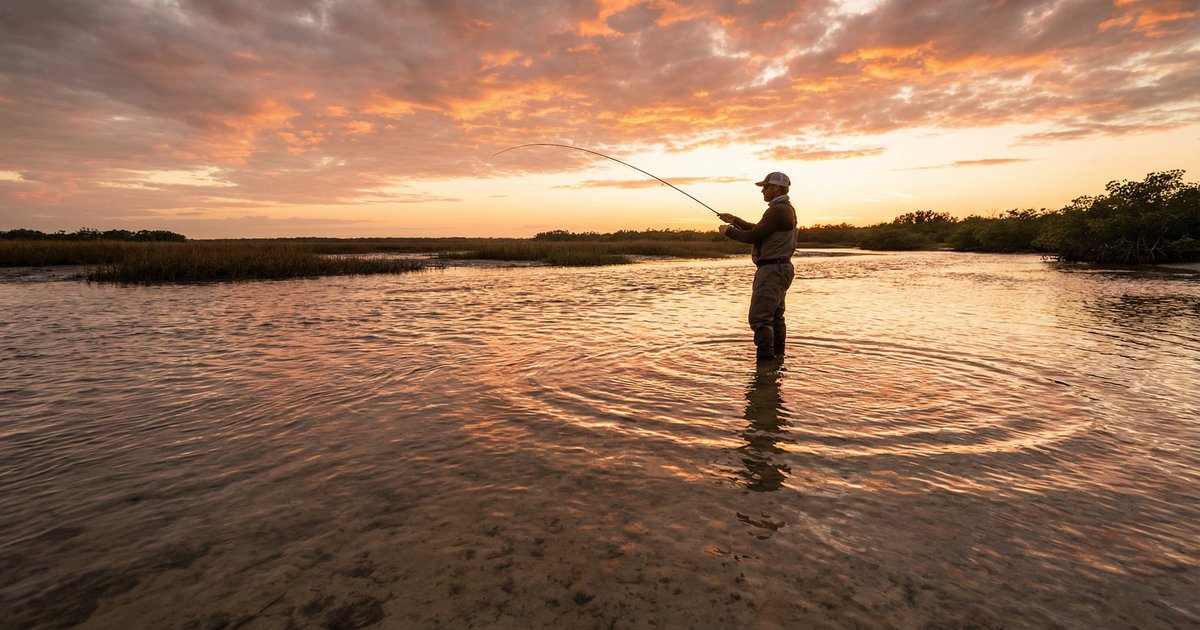
Field observation: On the Carolina flats, I've watched redfish literally push wakes into water so thin their backs are breaking the surface. They're following the tide line — that leading edge where the new water meets the flat. Cast to that edge, not 20 yards past it.
Look for:
- Tidal creeks filling and pushing bait out of the marsh grass
- Sand flat edges where predators patrol the drop-off as the flat floods
- Oyster bars coming under water — sheepshead and drum work these as soon as there's enough depth
Fishing Structure on the Incoming
Moving water + hard structure = feeding fish. Incoming tide piles bait against points, jetty rocks, and bridge pilings. The key is positioning your bait or lure on the upcurrent side of structure so it drifts naturally past the strike zone.
Cast uptide, let the current swing your presentation through the sweet spot. A bait sitting on the wrong side of a piling in dead water catches nothing.
Outgoing Tide Fishing: Where Fish Stack Up
The outgoing tide drains the system — and that drainage concentrates bait in a way that turns predators into feeding machines. Shrimp, crabs, and baitfish get flushed out of creeks and back bays whether they want to go or not. Fish know this and position themselves to intercept.
Outgoing Tide Ambush Points
This is where tidal literacy pays off most. The current creates natural ambush spots that you can identify before you ever wet a line:
Creek mouths and tidal cuts — As the flat drains, every trickle funnels through a few key exits. Fish stack in and just outside these exits. During a strong outgoing, you can sometimes see bait being swept out in pulses.
Rip lines and current seams — Where fast-moving water meets slower water, you get a visible seam on the surface. Baitfish get disoriented here. Predators — stripers especially — set up right on that line.
Downcurrent edges of sandbars — The outgoing tide scours the downcurrent face of any submerged structure. Food accumulates there. So do fish.
Pro tip: On the outgoing, fish the downcurrent side of structure. On the incoming, fish the upcurrent side. Flip that and you're fishing dead water all day.
Targeting Inlets on the Outgoing
Inlets are the choke point of the entire tidal system. On a hard outgoing, all that water from the back bay has to squeeze through one exit — the inlet. Baitfish get swept through in massive pulses, and larger predators stack up at the mouth to pick them off.
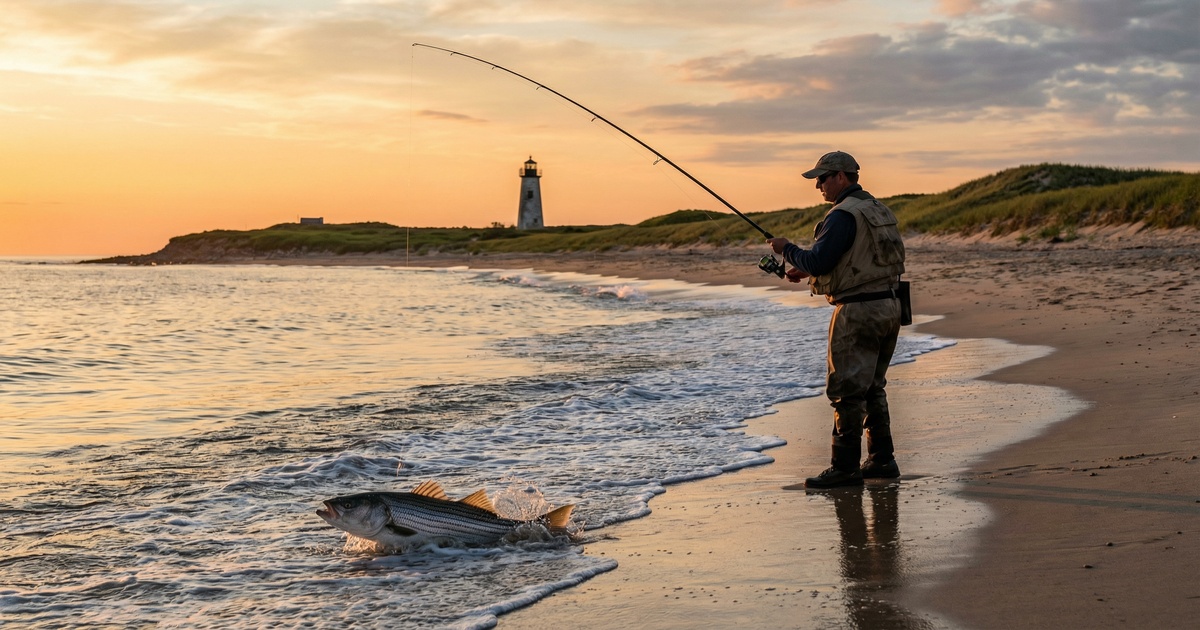
During fall striper runs on the Outer Banks, I've seen fish stacked so thick in an inlet mouth on the outgoing that you could practically not miss them. The challenge is presentation — current is ripping, so you need heavier tackle to get down to where the fish are holding.
Tactics for fast outgoing current in inlets:
- Use heavier jig heads (1-2 oz) to stay in the strike zone
- Cast upcurrent and let the jig swing through naturally
- Watch for birds working the surface — they're following the bait flush
Slack Tide: The In-Between Window
Slack tide is the brief pause between incoming and outgoing. The current slows, stops, then reverses. Most anglers write this off, but it depends heavily on where you're fishing.
On structure-based fishing (jetties, reefs, wrecks): Slack is often the worst window. Without current, there's no food delivery mechanism. Fish scatter.
On shallow flats: Slack can be excellent, especially mid-morning when water temperature and sun angle are right. Trout and redfish may not be ambushing current but they're actively cruising and hunting.
Around tidal pools and depressions: Baitfish that got stranded as the flat drained have nowhere to go. This creates a temporary concentration that predators key in on. Look for nervous water or working birds.
The duration of slack matters too. In areas with strong tidal exchange, slack might only last 15-20 minutes. In protected back bays, it can stretch over an hour. Check your tide chart and plan accordingly — I use HookCast's tide charts to see exactly when the turn happens and how long the transition lasts at my specific location.
Reading Tides by Region and Season
Tidal influence isn't uniform. Understanding how tides behave in your specific region makes you a smarter angler year-round.
Atlantic Coast Inshore
The Southeast and Mid-Atlantic get semidiurnal tides — two high tides and two low tides per day, with roughly 6 hours between each. Tidal range varies dramatically. Charleston gets 6-foot swings; parts of Florida might only see 12-18 inches.
Greater tidal range = more current = more predictable fish movement. In areas with big swings, tidal timing becomes critical because the fish windows are short and obvious. In low-range areas, fish have more consistent access to structure and bait, so you need to focus more on time of day and water temperature alongside tide.
Seasonal Adjustments
| Season | Tidal Priority |
|---|---|
| Spring | Incoming on warming flats; fish moving shallow |
| Summer | Early/late tides to avoid heat; night fishing on outgoing |
| Fall | Outgoing at inlets for migration runs; strong tidal flow is critical |
| Winter | Mid-tide with sun angle; slower presentations in deeper water |
Fall migrations are the peak period for tidal literacy to pay off. Striped bass, bluefish, and red drum stack up during migrations, and they're moving with bait being pushed by tidal current. Miss the tide window in October and November and you might not know fish were there at all.
Summer shallow water: Heat pushes fish deep during midday, but an outgoing tide in the evening — when it pulls cooler water off the flats — can trigger a late bite. The tide does double duty, concentrating bait and cooling the system.
Practical Tidal Fishing: How to Build a Game Plan
Knowing the theory is one thing. Here's how to actually build a fishing day around tides.
Step 1: Check the Tide Chart First
Before you pick a spot, check the tide stage and figure out what the water will be doing when you arrive and for the next 2-3 hours. There's no point in driving to a tidal creek mouth if you're going to be there at dead low with no current and two feet of exposed mud.
Pull up HookCast before you leave — the tide chart overlaid with solunar windows lets you see exactly when the moving water and peak fish activity align. That combination is the sweet spot.
Step 2: Match Location to Tide Stage
| Tide Stage | Best Spots |
|---|---|
| First 2 hrs incoming | Flat edges, tidal creek mouths (from outside), shallow points |
| Mid-incoming | Deeper flat access, bridge pilings, jetty upcurrent side |
| High slack | Open flats, submerged structure, tidal pools |
| First 2 hrs outgoing | Creek mouths (from inside), inlet approaches, rip lines |
| Mid-outgoing | Inlet mouths, channel edges, downcurrent structure |
| Low slack | Deep holes, channel bends, bridge shadows |
Step 3: Adjust Presentation for Current Speed
Fast current: heavier jigs, weighted rigs, less action needed (bait is tumbling naturally)
Slow current: lighter presentation, more rod action required, natural finesse rigs
Don't fight the current — use it. Your lure or bait should behave like something that belongs in that moving water, not something being dragged unnaturally against or across it.
Step 4: Pay Attention to the Second Tide
Most anglers fish one tide and leave. If you can, stay for the turn into the next tide. The moment current reverses, fish often reposition quickly and there can be a short, aggressive feeding window as they set up on new ambush points.
Key Takeaways: Quick-Reference Checklist
Before your next inshore trip, run through this:
Tide Planning
- [ ] Check tide chart for your specific location (times and range)
- [ ] Identify your 2-3 hour fishing window around moving water
- [ ] Note when the tide turns — plan to be fishing through the turn
Location Selection
- [ ] Incoming: fish flat edges, tidal creek mouths, upcurrent structure
- [ ] Outgoing: fish creek exits, inlet mouths, downcurrent ambush points
- [ ] Slack: target tidal pools, submerged structure, deeper depressions
On the Water
- [ ] Position baits on the correct side of structure (upcurrent on incoming, downcurrent on outgoing)
- [ ] Adjust jig weight to stay in the strike zone as current changes
- [ ] Watch for rip lines, seams, and current edges — that's where fish hold
- [ ] Look for bird activity over bait being flushed by outgoing current
Seasonal Check
- [ ] Fall: prioritize outgoing tide at inlets for migration fish
- [ ] Summer: fish early/late tides to avoid heat-suppressed activity
- [ ] Spring: incoming tide over warming flats for shallow feeders
The angler with the full cooler isn't always the one who got there earliest or stayed latest. They're usually the one who showed up when the water was moving in the right direction — and knew exactly where to stand when it did.
FAQ
What is the best tide stage for inshore fishing?
The first two hours of an incoming tide is widely considered the most productive window, particularly on flats and grass beds. However, the best stage depends on your specific location and target species. The key is understanding how current movement positions bait and predators at your chosen spot, rather than applying a single rule everywhere.
Does it matter whether the tide is incoming or outgoing?
Yes, significantly. Incoming tides push baitfish onto flats and into back bays, drawing predators into shallower water to feed. Outgoing tides funnel bait through cuts, channel edges, and inlet mouths, concentrating predators at those pinch points. Both can produce excellent fishing — the difference is where you should be standing and how you should be presenting your bait.
What does slack tide mean for fishing, and should I bother fishing it?
Slack tide is the brief period between tidal cycles when current slows to nearly nothing. Feeding activity typically drops off during this window because bait is no longer being moved predictably and predators lose their ambush advantage. Most experienced inshore anglers use slack tide to reposition or take a break, then get back on the water as the next cycle builds.
How do I find out what the tide is doing before I go fishing?
NOAA publishes free tide charts for thousands of coastal stations across the United States, accessible at tidesandcurrents.noaa.gov. Many fishing apps also include tide data alongside weather and moon phase information. Always check the chart for the station closest to where you plan to fish, as tide timing can vary significantly even within the same estuary system.
Why do some days with a "good" tide still produce slow fishing?
Tides are one piece of a larger puzzle. Water temperature, barometric pressure, moon phase, water clarity, and seasonal bait migrations all influence feeding behavior. A strong tidal movement during a cold front or in off-color water may still produce slow results. Tidal literacy improves your odds dramatically, but combining it with knowledge of other environmental factors is what separates consistently successful anglers from the rest.