Panfish Fishing Guide: Bluegill, Sunfish, and Perch Tactics for Easy Catches
My neighbor knocked on my door last June holding a rod and reel like he'd never touched one before. His kid wanted to go fishing for the first time, and he had no idea where to start. I handed him a pack of small hooks, a couple split shots, a bobber, and a container of worms, pointed him toward the farm pond two miles down the road, and told him to look for the shady bank near the old dock.
They came back two hours later with grins so big you'd think they'd landed a marlin. Twelve bluegill between them. The kid was already talking about going back the next weekend.
That's the thing about panfish. Bluegill, sunfish, crappie's cousins, yellow perch — these fish are everywhere, they bite willingly, and they'll make even a brand-new angler feel like they know what they're doing. But here's the part most people miss: panfish fishing has more depth than it gets credit for. Once you understand their seasonal patterns, habitat preferences, and what triggers a bite, you'll go from catching a handful to filling a bucket. And for those of us who fish year-round, panfish are often the most reliable action on the water when the bass and walleye aren't cooperating.
Let's get into it.
Understanding Panfish: What You're Actually Targeting
"Panfish" is a loose term that covers several species — essentially any smaller fish that fits in a frying pan. In most of the U.S., that means:
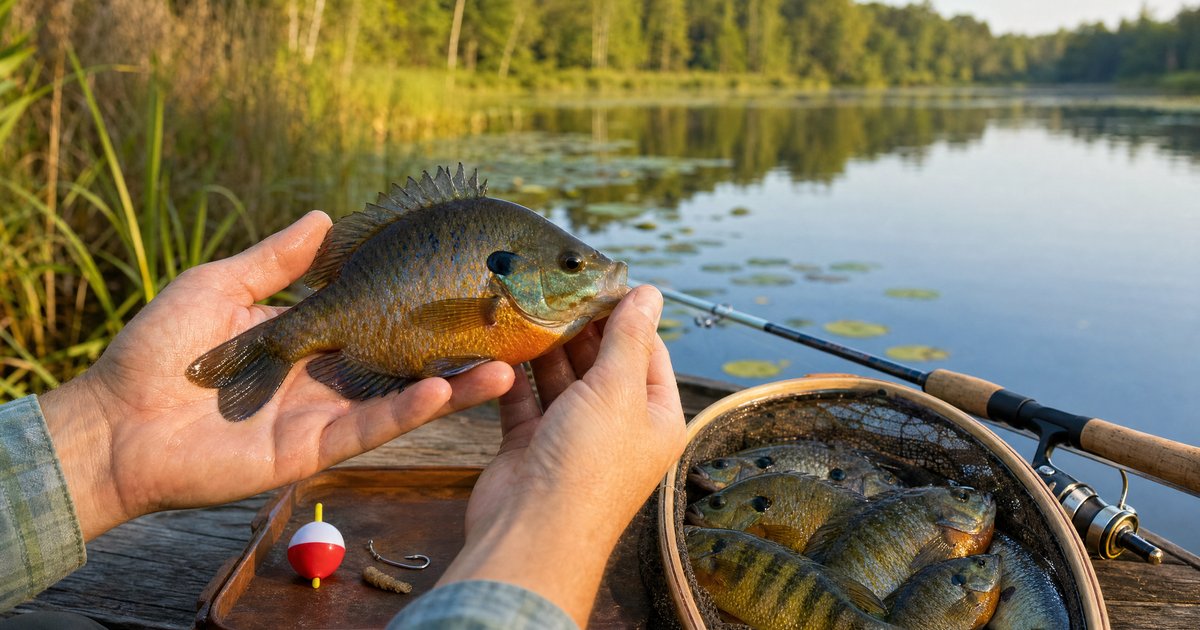
- Bluegill (Lepomis macrochirus) — The most widespread and arguably most popular. Found in nearly every warm-water lake, pond, and slow river in the country.
- Pumpkinseed — A close relative of bluegill, often mistaken for them. Slightly more colorful, same habitat.
- Green sunfish — Stockier than bluegill, tougher disposition, tends to tolerate murkier water.
- Redear sunfish — Sometimes called "shellcracker" in the South. Bigger than average, loves hard-bottomed areas and mollusks.
- Yellow perch — More common in northern states and the Great Lakes region. School-oriented, excellent table fare.
- Rock bass — Often found alongside smallmouth, especially in rivers and rocky lakes.
For this guide, I'm mostly focused on bluegill and yellow perch since they're the two species you'll encounter most consistently across the Midwest and Great Lakes. But most of these tactics work across the panfish family.
According to NOAA Fisheries, bluegill are one of the most widely distributed freshwater species in North America — which is exactly why they're such a perfect entry point for new anglers and a reliable fallback for experienced ones.
Seasonal Patterns: When and Where to Find Panfish
If you've ever driven to your local pond expecting a pile of bluegill and come home with two small ones, seasonal movement is probably why. Panfish aren't glued to one spot all year. They follow temperature, food, and spawning instinct.
Spring: The Spawn Window (and Why It Matters)
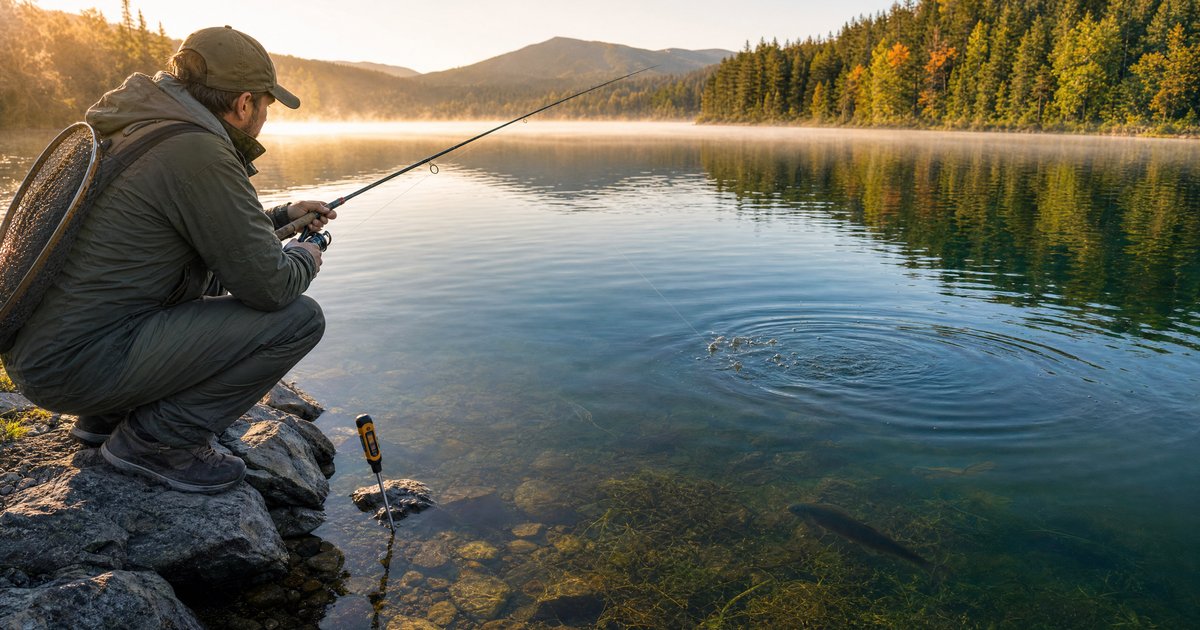
Spawning season is the single best time to catch bluegill. It usually kicks off when water temperatures hit the mid-60s°F — typically late April through June depending on your latitude. Males fan out circular nests in shallow, sandy or gravel-bottomed areas, often in just one to three feet of water. They're aggressive, territorial, and easy to spot in clear water.
This is genuinely one of the most exciting times to fish for panfish. You can often see the beds from the bank or from a kayak, and a well-placed bait or small lure dropped into a nest will get hit almost immediately.
One important note: Because spawning fish are concentrated and aggressive, it's easy to over-harvest them during this window. If you're practicing catch and release — which I'd encourage for spawning fish — handle them quickly and gently, keep them wet, and get them back in the water fast. Bluegill populations can handle moderate harvest, but hammering beds repeatedly can impact local fisheries over time.
Summer: Go Deep or Go Early
Once the spawn wraps up, bluegill scatter. The fish you were catching in two feet of water near the dock suddenly seem to disappear. They haven't left — they've moved to deeper structure (five to fifteen feet) to follow cooler temperatures and food, or they're holding tight to shade.
Your best bets in midsummer:
- Fish early morning (first two hours after sunrise) or evening (last hour before dark)
- Target dock shade, overhanging trees, and weed edges
- Check deeper water near original spawn areas — fish don't travel far
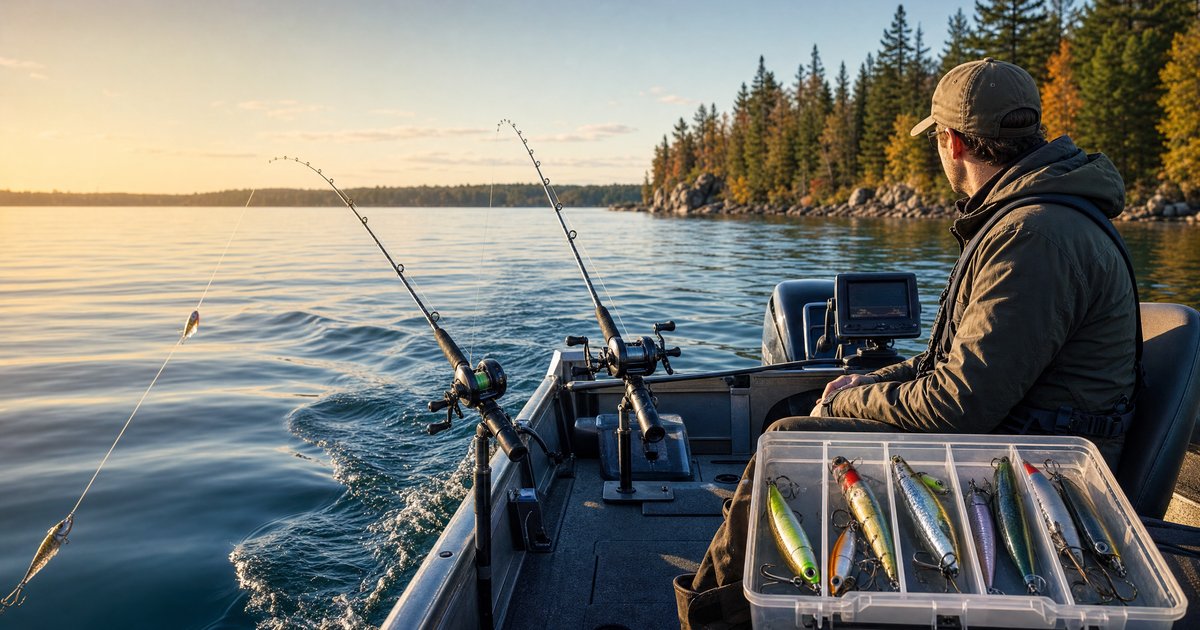
For yellow perch in particular, summer means open water and deeper schools. In the Great Lakes region, perch often suspend fifteen to twenty-five feet down over flats and drop-offs. A small jigging spoon or drop shot rig works well here.
Fall: One More Feed Before Winter
Fall is underrated for panfish. As water temps drop back into the 60s, bluegill become active feeders again, putting on weight before winter. They often move back to the same shallow areas they used in spring, only now they're less predictable in exact location.
Work the shoreline structure — laydowns, dock pilings, and weed beds that are still green. The bite window is shorter than spring but the fish can be just as willing.
I always check the barometric pressure trend before an October panfish outing. A stable or slowly rising pressure after a front pushes through usually means active fish. Check current pressure on HookCast before you head out — it takes thirty seconds and can tell you whether you're fishing before or after the window.
Ice Season: Winter Perch and Bluegill
If you're in the northern half of the country, panfish fishing doesn't stop when the lake freezes. Yellow perch and bluegill are among the most popular ice fishing targets for good reason — they stay active all winter and can be found in predictable locations.
- Perch tend to school in fifteen to thirty feet of water over soft bottom or near structure.
- Bluegill often suspend mid-column near deep weed edges.
- Small tungsten jigs tipped with waxworms or spikes are the go-to presentation.
Gear and Tackle: Keep It Simple, Keep It Small
You don't need much for panfish. Honestly, this is the one category of fishing where less is genuinely more. Here's what actually works.
Rods, Reels, and Line
A light or ultralight spinning rod in the 5'6" to 7' range is ideal. You want enough sensitivity to feel a bluegill pick up a bait, and enough flex to make the fight fun. A 2500 or smaller reel loaded with 4-6 lb monofilament or 6-8 lb braid with a fluorocarbon leader covers almost every panfish situation.
For river and stream fishing — like the Ozark smallmouth streams I fish a lot — I'll sometimes drop to 4 lb mono straight through when targeting rock bass and green sunfish in clear water. The lighter line gets more bites.
Hooks, Bobbers, and Split Shot
The classic panfish rig is still one of the most effective setups out there:
| Component | Size/Type | Notes |
|---|---|---|
| Hook | #6 to #10 long-shank | Easier to remove from small mouths |
| Bobber | Small slip or fixed | Adjust depth to keep bait off bottom |
| Split shot | 1-2 small shots | Just enough weight to sink bait slowly |
Long-shank hooks make a real difference for panfish. Bluegill have small mouths and tend to swallow hooks quickly — the longer shank gives you more to grab when removing the hook, and makes catch-and-release a lot cleaner.
Baits That Consistently Work
Live bait is king for bluegill. Period. If you want numbers, especially with kids or new anglers, go live bait first.
- Red wigglers or nightcrawlers (small pieces) — The all-time standard
- Waxworms — Especially effective in cold water, ice fishing gold
- Crickets — Underused in summer, incredibly effective near surface
- Small pieces of shrimp — Works surprisingly well in lakes near southern states
That said, panfish absolutely hit lures, and lure fishing is more fun once you know what you're doing.
Small Lures That Work
- Tube jigs (1/32 to 1/16 oz) — Probably my most-used panfish lure from the kayak
- Curly tail grubs on small jigheads — Simple, effective, easy to fish
- In-line spinners (size 0-1) — Great for perch and rock bass in rivers
- Fly fishing poppers and soft hackle flies — Panfish on a fly rod is one of the most fun things you can do in fishing, full stop
For perch specifically, small jigging spoons tipped with a minnow head or waxworm are hard to beat, especially in deeper water.
Tactics That Actually Catch Fish
Knowing what species to target and what gear to use gets you halfway there. The other half is presentation and location.
Reading the Water
Panfish are structure-oriented fish. They don't just float around open water hoping something shows up. They position near cover to ambush food and avoid predators.
Places to always check first:
- Dock pilings and boat lifts — Shade and structure in one spot
- Weed edges — The transition from weeds to open water is a feeding lane
- Fallen trees and laydowns — Especially productive in spring and fall
- Rock piles and riprap — Perch and rock bass especially love these
- Creek channel edges in lakes — Often holds suspended perch in summer
In rivers, look for eddies behind rocks, slower pools below riffles, and undercut banks. Bluegill and rock bass in rivers tend to hold in slower current breaks where they can ambush food without fighting heavy water.
The USGS streamflow data tool is genuinely useful here — if you're planning a river trip, checking current flow levels tells you whether the fish will be pushed to slower water or spread out across their normal holding spots.
The Slow Drop: The Most Underrated Panfish Technique
Most people fish panfish too fast. They cast, let the bait settle for ten seconds, then reel in and try again. Bluegill, especially in clear water, will follow a bait and study it. If you yank it away too soon, you miss the bite.
The slow drop works like this:
- Cast to your target.
- Let the bait fall on a semi-slack line.
- Watch your line for any movement, twitch, or sideways drift — that's often a bite.
- Once it settles, give it thirty to forty-five seconds before moving.
That pause after the drop catches more fish than almost anything else I've changed in my panfish fishing.
Adjusting for Water Clarity and Light
In clear water, panfish are spookier and more likely to study your bait before committing. Go lighter on line, smaller on hooks, and use more natural colors — greens, browns, and whites.
In stained or murky water, they're relying more on their lateral line and less on sight. You can get away with heavier line, and brighter colors — chartreuse, orange, pink — can actually help them find the bait.
On overcast days, panfish tend to be shallower and more active throughout the day. Bright bluebird days after a cold front push them deep and make them less willing to chase. I've found that checking the HookCast fishing forecast the morning of a trip — especially looking at pressure changes over the past twenty-four hours — gives me a solid read on whether I should be fishing fast and aggressive or slow and patient.
Panfish on the Fly Rod
This deserves its own mention. If you've never caught a bluegill on a fly rod, you're missing out. Panfish are aggressive topwater feeders in warm water, and watching a nine-inch bull bluegill crush a foam popper on a 3-weight rod is legitimately one of my favorite things in fishing.
Small poppers, soft hackle wet flies, and woolly buggers in size 8-12 all work. Fish them near lily pads, along dock edges, or in shallow coves during summer evenings. You don't need expensive fly gear — a basic 3-4 weight setup under $150 works perfectly for this.
Panfish Table Fare: Keeping What You Catch
Panfish are among the best-eating freshwater fish there are. Bluegill and perch fillets are clean, mild, and firm — better than a lot of what you'd pay for at a restaurant.
A few points on harvest:
- Know your local regulations. Most states have bag limits for panfish that are generous compared to bass and walleye, but limits vary. Check your state DNR's site before keeping fish.
- Target larger individuals when harvesting. Returning smaller fish helps maintain healthy size structure in the population.
- Avoid taking fish during the spawn if you're planning to keep them. Removing breeding fish from active beds hits populations harder than harvesting at other times of year.
For cooking, there's nothing simpler than shore lunch style — lightly breaded fillets in a cast iron skillet with butter and lemon. It's as good as fishing gets.
Quick-Reference: Panfish Fishing Cheat Sheet
Before you go:
- [ ] Check water temp — target 65-75°F for bluegill peak activity
- [ ] Check barometric pressure trend (stable or rising = better)
- [ ] Look up local bag limits and size rules
- [ ] Rig ultralight setup with 4-6 lb line
Where to fish:
- [ ] Dock edges and pilings
- [ ] Weed transitions
- [ ] Laydowns and timber
- [ ] Rocky points and riprap (especially perch)
- [ ] Shaded banks in summer midday
What to use:
- [ ] Small hooks (#6-#10 long shank)
- [ ] Live worms, crickets, or waxworms
- [ ] Small tube jigs or grub tails for lure fishing
- [ ] Size 0-1 spinners for perch in current
On the water:
- [ ] Slow your presentation down — pause longer than feels natural
- [ ] Fish early morning and evening in summer
- [ ] Match bait color to water clarity
- [ ] Handle fish carefully if releasing, especially during spawn
FAQ
What is the best bait for bluegill fishing?
Live bait consistently outperforms artificial lures for bluegill, especially for beginners. Small pieces of earthworm or red wigglers on a #8 long-shank hook under a small bobber is the most reliable setup in most conditions. Crickets and waxworms are excellent alternatives, with waxworms being particularly effective in cold water or during winter ice fishing.
What time of year is best for catching panfish?
Late spring during the spawning season — roughly when water temperatures reach the mid-60s°F, usually April through June — is the most productive time for bluegill and sunfish. Fish move into shallow water and become aggressive and easy to locate. A strong secondary bite also occurs in early fall as water temperatures drop and fish feed actively before winter.
What gear do I need to catch bluegill and sunfish?
A light or ultralight spinning rod in the 5'6" to 7' range paired with a small spinning reel and 4-6 lb monofilament line is all you need. Add a small fixed bobber, a couple of split shots, and a pack of #6-#10 long-shank hooks, and you're fully equipped. This basic setup costs well under $50 and outfishes more expensive panfish rigs in most situations.
Can you catch panfish on lures instead of live bait?
Yes — small tube jigs, curly tail grubs on light jigheads, and size 0-1 inline spinners all catch panfish reliably. Lures work especially well for yellow perch and rock bass. For bluegill on lures, fish slowly and pause often — panfish will follow a lure and study it, and yanking it away too soon is the most common mistake anglers make.
How do I find panfish in a lake I've never fished before?
Start by looking for structure near the shoreline — dock pilings, fallen trees, weed edges, and rock piles are all reliable starting points. In warmer months, check shallow areas in the morning and evening. During midday in summer, move to slightly deeper water (five to ten feet) adjacent to the same types of structure. If you're unfamiliar with the lake's layout, satellite view on Google Maps often shows underwater weed beds and dock locations before you even launch.