Wacky Rig Fishing for Bass: Why This Simple Technique Outfishes Everything Else
I was fishing a mid-summer tournament on Lake of the Ozarks a few years back. Water clarity was gin-clear, the sun was hammering down, and the fish had lockjaw. My partner — a guy who fishes tournaments for a living — spent three hours throwing a flipping jig into every shadow he could find. Zero. I picked up a rod with a wacky-rigged Senko, skipped it under a dock, and let it fall. Three casts later I had a 3-pounder in the net.
He just looked at me and shook his head.
That's the wacky rig. It's not flashy. It's not technical. But there are specific conditions where it just works better than everything else in the box — and once you understand why, you'll know exactly when to reach for it.
What Is the Wacky Rig (And Why Does It Work)?
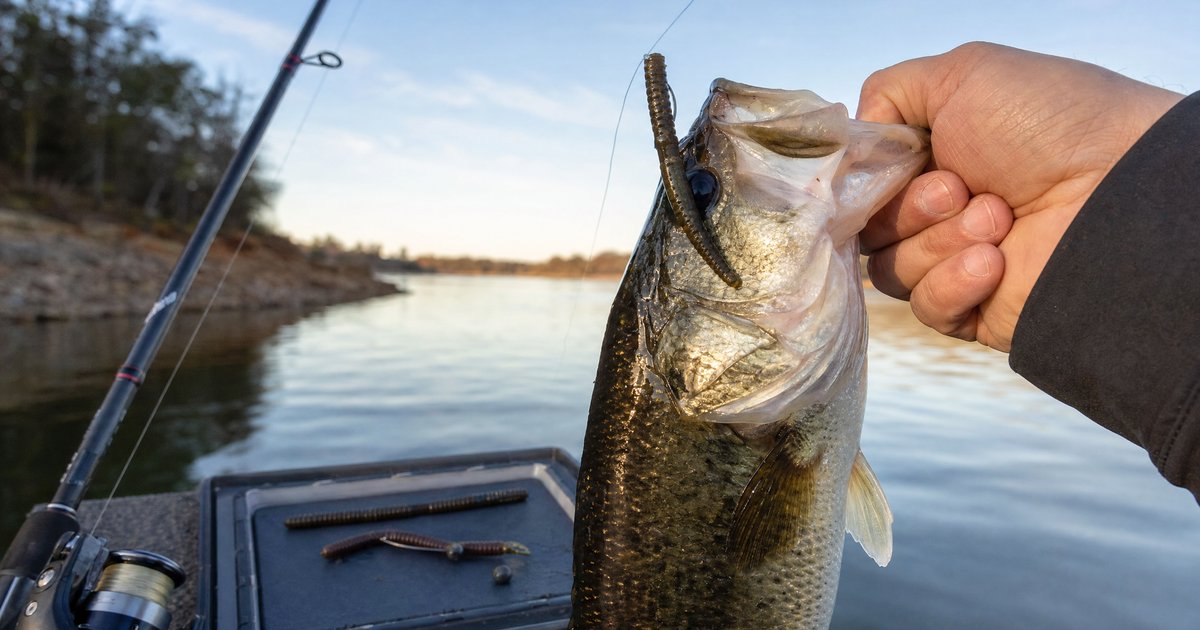
The wacky rig is about as simple as it gets: you hook a soft plastic bait — almost always a straight stick bait like a Senko — right through the middle, leaving both ends free to move. No weight in most cases. No trailer. Just the hook in the center and the bait doing its thing on the fall.
That action on the fall is the whole point. Both ends of the bait wobble and shimmy independently as it sinks. It looks like nothing else in nature, but bass absolutely can't ignore it. My best guess, based on eight years of watching this rig catch fish when nothing else would, is that it triggers a reaction bite. The bait looks wounded, struggling, dying. And bass are opportunistic predators — NOAA Fisheries describes largemouth bass as aggressive ambush hunters that rely heavily on visual cues to target prey. That falling, fluttering action checks every box.
The Science Behind the Wiggle
A standard 5-inch Senko or stick bait is dense enough to sink without any added weight. When you rig it wacky style — hook through the center — the weight distribution creates a natural, horizontal fall. Both ends sink at the same rate while oscillating back and forth. Texas-rig the same bait, and the nose-heavy fall creates a totally different presentation. It gets down faster, sure, but it loses that irresistible shimmy.
On pressured fish — fish that have seen a hundred Texas rigs in clear water — that wacky fall is something they haven't keyed in to ignoring yet.
When Wacky Outperforms Everything Else
This isn't a rig for every situation. Here's where it genuinely shines:
- Post-frontal conditions — After a cold front pushes through and barometric pressure spikes (above 1020 hPa, roughly), bass get sluggish. Slow-fall presentations catch more fish than power fishing. You can check current pressure on HookCast before you leave the driveway to know what you're walking into.
- Clear water — The natural fall and subtle action looks believable when fish can see it clearly.
- Spawning and post-spawn bass — Especially in spring, when fish are on beds or staging nearby. A slow-falling bait in their face is hard to ignore.
- Pressured fish — Municipal lakes, neighborhood ponds, tournament water that gets hammered every weekend. Bass in these spots have seen everything. The wacky rig is still weird enough to get bites.
- Midday slumps — When surface temps climb and fish go deep or seek shade, a wacky rig skipped under a dock often saves the day.
Gear and Setup: Keep It Simple
One of the things I love about wacky rigging is how cheap it is to get started. You don't need a specialized rod or a $30 hook. Here's what actually matters.
Rods and Reels
You want a medium-light to medium power spinning rod, somewhere in the 6'8" to 7'2" range. The lighter tip loads the rod properly for the light weights you're throwing and gives you enough sensitivity to feel the subtle tap of a bass picking up the bait on the fall.
I fish a 7-foot medium-light most of the time. Nothing fancy — a $60 combo from a big box store will work just fine for this technique. Spinning gear also gives you better casting distance and accuracy with these lighter rigs compared to baitcasting.
Line: 10–15 lb fluorocarbon straight through, or 20–30 lb braid with a fluorocarbon leader of 10–12 lb. In clear water, I lean toward fluorocarbon. The near-invisibility matters when bass are looking up at your presentation in a foot of clear water.
Hooks
Two main options:
| Hook Type | Best For | Notes |
|---|---|---|
| Wide gap wacky hook (Size 1/0–2/0) | Open water, docks, shallow cover | Most common setup; exposes point for easy hooksets |
| Weedless wacky hook | Grass beds, laydowns, heavy cover | Wire guard protects point; slightly lower hookup ratio |
| Neko hook (weighted) | Deep water, windy conditions | Nail weight in nose creates different fall angle |
For most situations, a straight wide gap hook in 1/0 is your go-to. Simple, cheap, effective.
O-Rings: Worth Every Penny
One small upgrade that makes a big difference — wacky rig o-rings. Instead of hooking directly through the bait, you slide a small rubber o-ring over the center of the bait and hook through the ring. The bait survives multiple fish without getting torn in half, and the action actually improves because the bait moves more freely around the hook.
An o-ring tool (a small plastic cylinder that slides the ring on) runs about $5. The rings themselves cost almost nothing. After watching bass tear through a pack of $8 Senkos in an afternoon, I switched to o-rings and never looked back.
Best Baits for Wacky Rigging
The Yamamoto Senko is the original and still the benchmark. The 5-inch in green pumpkin, watermelon red flake, or black/blue catches fish everywhere. But there are plenty of alternatives that fish just as well:
- Strike King Ocho — Great action, usually a bit cheaper
- Zoom Trick Worm — Thinner profile, good in cold water
- Berkley PowerBait Maxscent Flat Worm — The scent formula legitimately helps in cold or murky water
- NetBait Paca Slim — Underrated, especially in smaller sizes for finesse situations
In my experience, color matters less than you'd think on the wacky rig. Start with green pumpkin in clear water, darker naturals in stained water. If fish are around and not biting, try white or chartreuse before you give up on the technique entirely.
How to Fish the Wacky Rig: Techniques That Actually Catch Bass
The setup is simple. The technique is where most anglers leave fish in the water.
The Basic Drop
Cast to your target, close the bail, and watch your line. The bait should sink on a mostly slack line. If you're fishing with braid-to-fluorocarbon, watch where the two lines meet — that connection point is a great strike indicator.
Most strikes happen on the fall. If you feel a tick, see the line jump sideways, or the line stops falling and starts moving away from you — set the hook. With a spinning rod and fluorocarbon, a firm sweeping hookset works well. You don't need to rip the rod out of your hands.
The Deadstick
Cast it out, let it sink to the bottom, and don't move it. Give it 10–15 seconds. In clear water, bass sometimes follow a wacky rig down and just sit there staring at it. A slight twitch — barely moving your rod tip — will often trigger the bite.
This is the move that makes impatient anglers crazy and patient anglers very successful.
Shake and Fall
After the bait hits bottom, give the rod tip a few gentle shakes without actually moving the bait off the bottom. The worm wiggles in place. Then let it fall back. Repeat. This works great in 8–15 feet of water on main lake structure — points, ledges, submerged humps.
Skipping Under Docks
This is my favorite application. A flat-skipping cast sends the wacky rig sliding back under low-hanging docks where bass hold in summer heat. The bait hits the water, slides back under the dock, then falls. Dock fish almost always eat it on that initial fall after it skips back.
Takes practice to skip a light bait accurately, but once you get it, it's a major weapon. A 7-foot rod actually makes this harder — for dock skipping I'll sometimes drop down to a 6'8" for better control.
Deeper Water: The Neko Rig Variation
When fish are sitting in 15–25 feet of water — common in late summer on Midwest reservoirs — the standard wacky rig falls too slowly. A Neko rig solves this: insert a small nail weight into the nose of the bait, hook it wacky style, and you get a faster, nose-down fall. Bass in deeper water see the bait hit bottom nose-first and start shaking, and it drives them nuts.
Wacky Rig vs. Texas Rig: When to Use Each
This comes up constantly, and the answer is situational. Neither rig is universally better. Here's how I think about it:
| Situation | Wacky Rig | Texas Rig |
|---|---|---|
| Clear water, pressured fish | ✅ Better | Decent |
| Heavy grass, timber | ❌ Snags easily | ✅ Better |
| Post-frontal, slow bite | ✅ Better | Okay |
| Flipping heavy cover | ❌ Wrong tool | ✅ Better |
| Dock skipping | ✅ Great | Okay |
| Deep water (20+ ft) | With Neko setup | ✅ Better |
| Bank fishing, multiple cover types | Good | ✅ More versatile |
| Tournament pressure | ✅ Often overlooked | Gets ignored |
My standard practice: if I'm fishing a lake I don't know well, I have a Texas rig tied on to cover water and find fish, and a wacky rig tied on to catch the ones I locate. The Texas rig is a searching tool. The wacky rig is a catching tool.
Seasonal Strategy for the Wacky Rig
Spring (Pre-Spawn and Spawn)
This is arguably the best time to throw a wacky rig. Bass are moving shallow, holding on transition areas — gravel flats, secondary points, dock edges near spawning coves. They're also actively feeding to build up energy.
A wacky-rigged Senko cast into 3–5 feet of water and allowed to fall naturally in front of fish is devastatingly effective. You'll also encounter bass on beds. A quick note here: if you're bed fishing, please handle fish carefully. A bass protecting a nest is under serious stress. Use a rubberized net, wet your hands, and get the fish back in the water quickly. Tournament anglers sometimes use a weight to hold the fish near the bed for photos — this keeps the fish calm and reduces air exposure.
Summer
This is where dock skipping and deeper presentations earn their keep. Bass go nocturnal or dive deep to find comfortable water temperatures. Early morning wacky rig along shaded banks, then transition to deeper presentations once the sun gets up.
I'll also check HookCast's weather forecast before summer mornings to see if cloud cover might extend the topwater bite — if it does, I'll delay reaching for the wacky rig until the sun blows the topwater action out.
Fall
Transitional season. Bass chase shad in shallower water again as temps drop. Wacky rig works well around riprap, dock edges, and rocky points where shad congregate. Match bait color to the local shad — silver, white, or translucent shad patterns work better than natural green/brown colors in fall.
Winter
Slow down. Way down. A wacky rig on 8 lb fluorocarbon, fished as slowly as you can stand, will catch cold-water bass when nothing else is moving. Bass metabolism slows significantly in water under 50°F, and they won't chase a fast-moving bait. Let the wacky rig sit. Come back to it. Sit some more.
Quick-Reference: Wacky Rig at a Glance
Best conditions:
- Post-frontal high pressure
- Clear to lightly stained water
- Pressured fish in tournament or heavily fished lakes
- Spawn and post-spawn periods
- Midday heat when fish are docked up
Core setup:
- 7' medium-light spinning rod
- 10–15 lb fluorocarbon, or braid with fluoro leader
- 1/0 wide gap wacky hook
- O-ring on your bait
- 5" Senko in green pumpkin or watermelon red
Retrieval tips:
- Watch the line, not the bait
- Expect strikes on the fall
- Deadstick before moving
- Twitch subtly — less is more
- Skip under docks for summer bass
When to switch away from it:
- Heavy matted vegetation (go Texas rig or punch rig)
- Water over 20 feet (switch to Neko or drop shot)
- Windy days with current (add weight or switch presentations)
FAQ
What is the best hook size for a wacky rig?
A size 1/0 wide gap hook works for most wacky rig situations with a standard 5-inch stick bait. If you're fishing a smaller 4-inch bait, drop down to a size 1. For thicker baits or when fishing heavy cover with a weedless hook, a 2/0 is a better fit. Using an o-ring to hold the hook rather than hooking directly through the bait extends the life of your bait and improves hookup rates.
What is the difference between a wacky rig and a Texas rig?
A Texas rig runs the hook point through the nose of the bait and buries it back into the plastic, making it relatively weedless and great for heavy cover. A wacky rig hooks the bait through the middle, leaving both ends free to wiggle on the fall. Texas rigs fall faster and punch through grass; wacky rigs fall slower with more action and are better in open water, clear water, and on pressured fish that have seen a lot of Texas rigs.
What is the best wacky rig bait for bass fishing?
The Yamamoto Senko — especially the 5-inch in green pumpkin or watermelon red flake — is the standard bearer for wacky rig fishing. Other strong options include the Strike King Ocho, Zoom Trick Worm, and Berkley PowerBait Maxscent Flat Worm. The key characteristic is a dense, straight stick bait that sinks slowly and naturally without any added weight.
Can you wacky rig in deep water?
Yes, with a modification. The standard wacky rig falls too slowly to be practical below 15–20 feet. The solution is a Neko rig — insert a small nail weight into the nose of the bait and hook it wacky style. This creates a nose-down fall that gets the bait to depth faster while still delivering the shaking action that bass respond to. It's particularly effective on deep summer ledges and rocky points.
When is the best time of year to throw a wacky rig?
The wacky rig produces year-round, but it's most effective during spring (pre-spawn and spawn) and during post-frontal conditions in any season. In spring, shallow bass are highly responsive to the slow-falling presentation. After a cold front raises barometric pressure above roughly 1020 hPa, bass slow down and won't chase fast baits — the patient, subtle fall of a wacky rig is one of the best ways to keep catching fish in those tough conditions. Checking the barometric pressure on HookCast before you head out helps you decide whether it's a wacky rig day before you even get to the water.