Best Times for Beach Foraging & Shellfishing
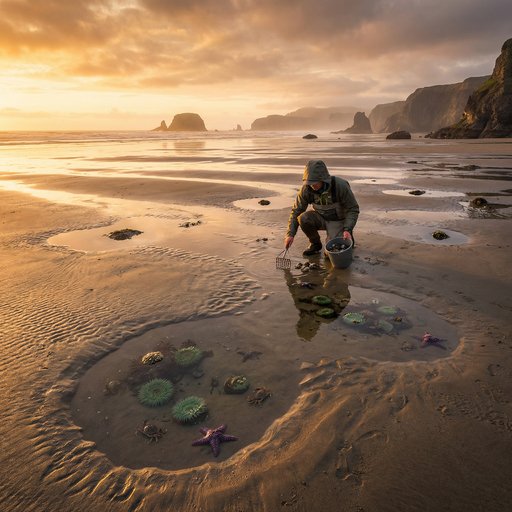
Beach foraging success depends on tides and moon phases. Low tide exposes tidal flats where clams, mussels, oysters, and crabs are easy to find. Plan your trip with our foraging index.
View Tide ChartsStrong tides with good tidal range — plenty of foraging opportunities
Understanding tides is the key to successful beach foraging
Spring Tides (Best Days)
When to Go Foraging
2 days before and after new moon and full moon produce the largest tidal range. More shoreline is exposed at low tide, revealing clams, mussels, and other species.
Low Tide Window
The best foraging window is 2 hours before and after low tide. As the water recedes, tidal pools and flats are exposed with abundant marine life.
Falling Tide (Optimal)
The outgoing (ebbing) tide is the ideal time to start. Follow the receding waterline to find freshly exposed areas that haven't been picked over.
7-Day Foraging Calendar
Plan your beach foraging trips for the week ahead
What You Can Find
Common species found while beach foraging along US coasts
Clams
Found in sandy tidal flats. Dig 4-6 inches below the surface near small holes or dimples in wet sand.
Mussels
Attached to rocks, pilings, and jetties in the intertidal zone. Look for clusters at mid-tide level.
Oysters
Found on rocky substrates and oyster reefs in shallow estuaries. Check local regulations for size limits.
Crabs
Hide under rocks, in tide pools, and along rocky shorelines. Many species are catch-and-release only.
Seaweed
Edible varieties like sea lettuce and kelp grow on rocks in the intertidal zone. Harvest above the waterline.
Periwinkles
Small snails found on rocks and seawalls. Easy to collect by hand at low tide. A common foraging find.
Safety Tips
Stay safe while enjoying the shore
Check Local Regulations
Many areas require permits for shellfishing. Check state and local regulations for seasons, size limits, and daily bag limits before heading out.
Watch the Tide
Always know when the tide is turning. Getting caught on a rocky outcrop or sandbar during a rising tide can be dangerous. Set a timer.
Water Quality Alerts
Check for shellfish harvesting closures due to red tide, bacteria, or pollution. State health departments publish harvesting area status maps.
Wear Proper Footwear
Rocky shorelines, broken shells, and slippery surfaces can cause injuries. Wear sturdy water shoes or boots with good traction.
Never Forage Alone
Bring a buddy, especially when exploring unfamiliar coastline. Tell someone where you're going and when you'll be back.
Respect the Environment
Take only what you need, return undersized specimens, and leave rocks and habitat as you found them. Sustainable foraging ensures future abundance.
Beach Foraging
Check Tides for Your Spot
View detailed tide charts and solunar data for any US coastal location.
View Tide Charts