Best Fishing Rod and Reel Combos for Spring 2026: Freshwater and Saltwater Picks
You know that feeling when you show up to a gear swap at the launch ramp and somebody's holding a combo that looks like it came free with a Happy Meal? I've been that guy. I've also been the guy who spent way too much on a combo because a sponsored pro told me I needed it — and then watched a dude in a $12 Walmart setup out-fish me all morning.
Eight years of kayak tournaments and way too many hours on the water have taught me one thing: the rod and reel combo you can fish confidently — because you trust it and know how it works — will catch more fish than the one you're afraid to throw at a dock piling.
Spring 2026 is shaping up to be a good season. Water temps are climbing, fish are moving shallow, and if you've been putting off upgrading your setup, now is the time. Whether you're chasing bass through flooded timber, working walleye along a gravel flat, or throwing lures at redfish in a back bay, the right combo makes a measurable difference. Here's what I'd put in my hands — and recommend to a fishing buddy — for spring.
What Actually Makes a Good Rod and Reel Combo
Before we get into specific picks, let's talk about what separates a genuinely good combo from one that just photographs well.
Rod Action and Power Matter More Than Brand
A rod's power (how much force it takes to bend it) and action (where along the blank it bends) determine whether you can feel bites, set hooks effectively, and cast accurately. A medium-power, fast-action rod covers probably 70% of freshwater bass situations. A medium-heavy fast is where I live for heavier lures and flipping into cover.
For saltwater, you generally want more backbone — medium-heavy to heavy power — to deal with stronger fish and heavier terminal tackle.
Gear Ratio on the Reel Is Not Just a Number
- High gear ratio (7:1 and above): Good for burning lures, burning a spinnerbait back, picking up slack fast
- Medium gear ratio (6:1–6.9:1): The all-around workhorse — handles most bass and walleye presentations
- Low gear ratio (5:1 and below): Deep cranking, pulling big swimbaits — you want power, not speed
Spinning vs. Baitcaster
If you're newer to fishing or targeting finesse presentations, a spinning combo is the move. The learning curve is flatter, the versatility is higher, and for light line fishing, there's no real substitute.
Baitcasters shine when you're throwing heavier lures with precision — punching mats, heavy jigs, big swimbaits. If you haven't gotten comfortable with a baitcaster yet, don't rush it for spring. A good spinning combo will not hold you back.
Best Freshwater Rod and Reel Combos for Spring 2026
Spring freshwater is my home turf. I'm usually on Missouri rivers for smallmouth or heading north to hit Lake Erie walleye by late April. These are the combos I'd stake a tournament entry fee on.
Best All-Around Spinning Combo for Bass: Shimano Stradic FL + Ugly Stik Elite
This is the combo I hand to someone when they ask what to buy if they can only have one setup.
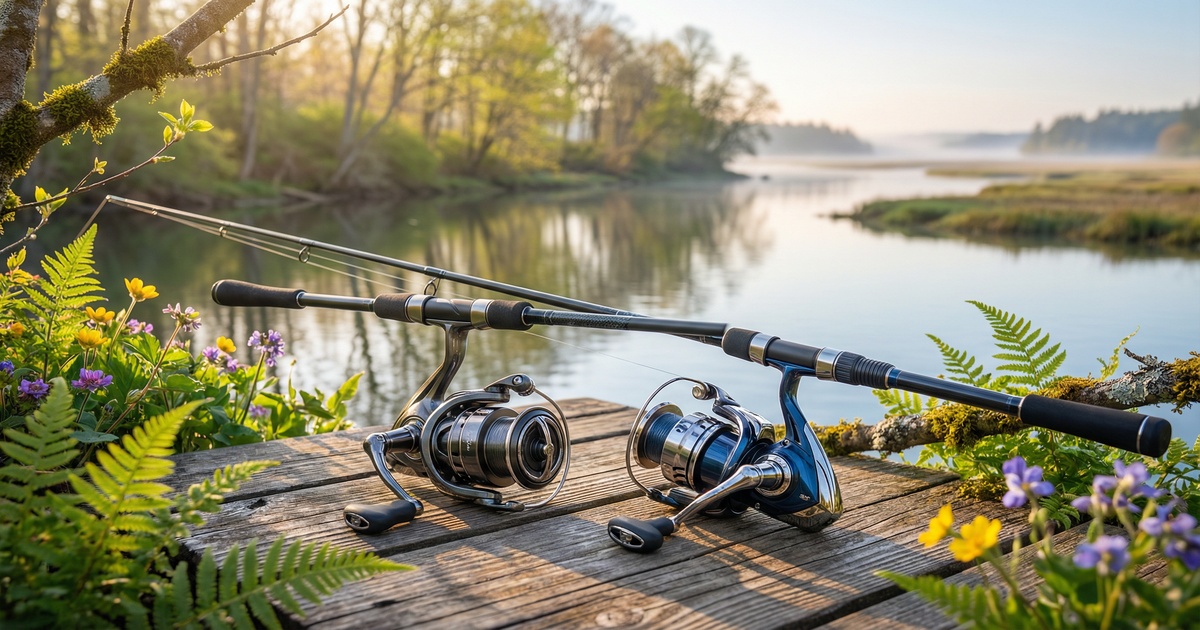
The Shimano Stradic FL has been one of the best mid-range spinning reels on the market for a few years running, and the 2026 version carries forward everything that made it a fan favorite — silky drag, solid line management, and a weight that doesn't tire your wrist out after a long paddle. Pair it with a 7-foot medium fast Ugly Stik Elite spinning rod and you've got a setup that can handle:
- Finesse jigs and drop shots
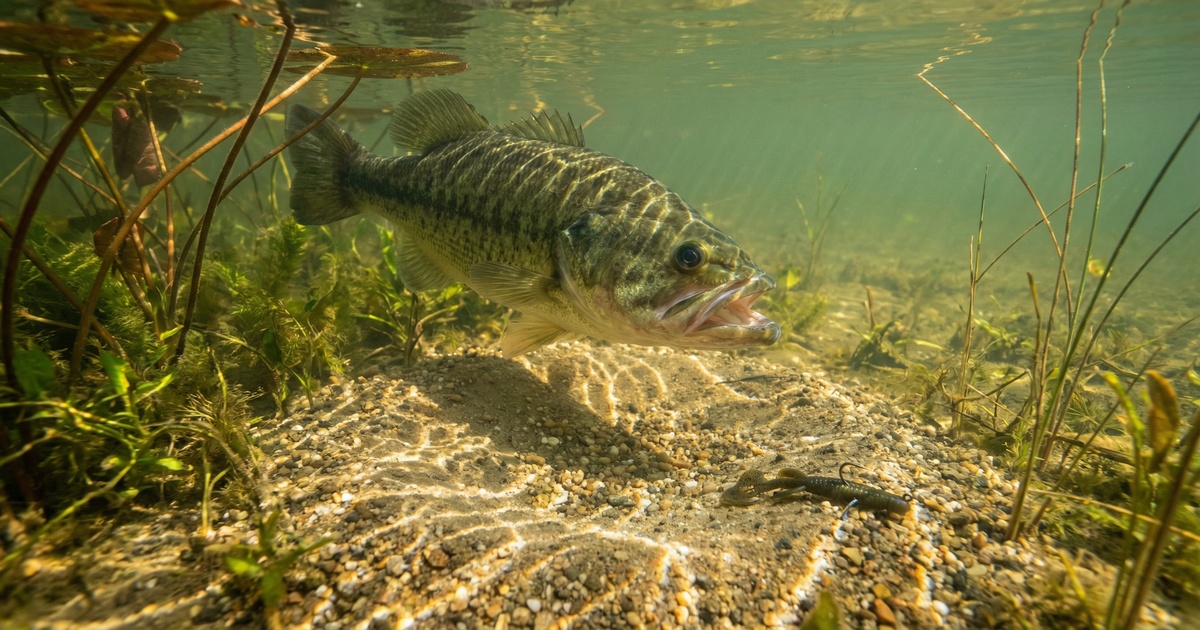
- Ned rigs (deadly for spring bass on gravel flats)
- Light Texas rigs
- Wacky rigged Senkos on spawning flats
From the kayak seat: This combination has held up to tournament pressure without a single failure. I've dunked it, caught it in a hatch while paddling, and banged it against dock pilings. Still fishes great.
Price range: Approximately $150–$200 for the pair, depending on retailer.
Best Budget Spinning Combo for Bass: Shakespeare Ugly Stik GX2 Combo
If budget is the primary concern, the Shakespeare Ugly Stik GX2 combo is the honest answer. It won't win a style contest, but it catches fish. The reel is basic — nothing fancy — but the rod has genuine sensitivity and that legendary Ugly Stik durability.
This is what I started on in farm ponds, and I still throw one to a friend when they visit and need a loaner. For a beginner or a secondary setup, it's hard to beat at roughly $40–$60.
Best Spinning Combo for Walleye: St. Croix Eyecon + Shimano Nasci
Walleye fishing is a different game than bass. You're often working jigs along bottom, trolling live bait rigs (legal and widely practiced in the Great Lakes region), or casting blade baits through cold water. Sensitivity is paramount — walleye don't crush a bait, they inhale it.
The St. Croix Eyecon series is built specifically for walleye applications. St. Croix is a Wisconsin company that knows these fish cold, and the Eyecon shows it — high-modulus graphite, great tip sensitivity, and enough backbone to drive a hook home without muscling it.
Pair it with a Shimano Nasci in a 2500 size and you've got a lightweight, reliable spinning combo purpose-built for walleye. Load it with 8-pound fluorocarbon or 10-pound braid with a fluoro leader and you're ready for the Erie flats come April.
Price range: Approximately $200–$250 combined.
Regulation note: Always check current walleye size and bag limits on the body of water you're fishing. Great Lakes walleye regulations vary by state and lake zone — NOAA Fisheries and your state DNR are the right resources here.
Best Baitcaster Combo for Bass: Lew's Speed Spool LFS + Daiwa Tatula XT
If you want to step into baitcasting territory for spring bass — flipping shallow cover, punching docks, throwing a buzzbait at first light — the Lew's Speed Spool LFS is one of the best values in the mid-range baitcaster market. It's smooth, it's lightweight, and the magnetic brake system is forgiving enough that you won't spend half your morning picking out backlashes.
Pair it with a Daiwa Tatula XT in a 7-foot medium-heavy fast action. That rod has a great blank for detecting bites in cover and still has enough tip movement to avoid ripping the bait away from hesitant fish.
Price range: Approximately $180–$230 combined.
Before you head out this spring, I always recommend pulling up HookCast's weather tool to check where barometric pressure is trending. Bass feeding behavior during the pre-spawn is closely tied to pressure changes — a stable or slowly rising pressure window is your best bet for a consistent bite.
Best Saltwater Rod and Reel Combos for Spring 2026
I'll be transparent here: I'm a freshwater guy at heart. But I've spent enough time chasing redfish and speckled trout in the Gulf Coast marshes with friends who live and breathe inshore fishing to know what works. These picks reflect conversations with serious inshore anglers, not just spec-sheet comparisons.
Best Inshore Spinning Combo: Penn Battle III + St. Croix Mojo Salt
The Penn Battle III is basically the benchmark for value-oriented saltwater spinning reels. Full metal body, sealed drag system, and Penn's track record for durability in a corrosive environment. In a 3000 or 4000 size depending on your target species, it handles redfish, speckled trout, flounder, and even early-season snook without complaint.
Pair it with a St. Croix Mojo Salt spinning rod in a 7-foot medium fast configuration and you've got an inshore combo that can throw a ⅛-oz jig under a dock on one cast and launch a topwater across a flat on the next.
Price range: Approximately $180–$250 combined.
Spring inshore fishing is heavily influenced by tides — fish stack up on feeding edges during moving water periods. Before picking your spot in a marsh or estuary, it's worth checking tide charts for your area on HookCast to time your wade or drift correctly.
Pro tip from an inshore regular: On a falling tide, position yourself at a cut or channel mouth where bait gets flushed out. The predators are waiting there. A rising tide pushes fish up onto the flats. Work both windows and you'll maximize your time on the water.
Best Budget Saltwater Combo: Ugly Stik Tiger Elite + Penn Pursuit IV
For anglers who want to try saltwater fishing without committing $300+ to a combo, the Ugly Stik Tiger Elite paired with a Penn Pursuit IV is a legitimate starting point. It's not a finesse setup, but it handles nearshore species, pier fishing, and bay fishing without falling apart after the first salt exposure.
Rinse it after every use, store it properly, and this combo will last you multiple seasons. Approximately $90–$130 combined.
Best Heavy Inshore / Light Nearshore Combo: Shimano Saragosa SW + Temple Fork Outfitters Inshore Series
When you're pushing into heavier applications — targeting larger redfish, early-season cobia, or making long casts with heavier jigs across open water — you need a combo with more authority.
The Shimano Saragosa SW is a tank. It's heavier than a finesse reel, but the X-Shield water protection, power roller line management, and SA-RB bearing system make it one of the most trusted saltwater spinning reels in the mid-to-high range. In a 5000 size, it pairs well with 30-pound braid and a fluorocarbon leader for punishing work.
The Temple Fork Outfitters Inshore Series rod in a 7'3" medium-heavy fast gives you casting distance and sensitivity without the price tag of premium blanks.
Price range: Approximately $280–$350 combined.
Spring-Specific Setup Considerations
The season matters as much as the gear. Here are a few things I adjust specifically for spring fishing.
Line Choice in Cold Water
Early spring water is still cold in most of the Midwest — surface temps can hover in the low to mid 50s well into April. Fluorocarbon loses less of its properties in cold water compared to straight monofilament, which softens and gets springy. For drop shots and finesse presentations on pre-spawn bass, I'm running 8-pound fluorocarbon straight to the hook. For throwing heavier lures, 15-pound braid with a 12-pound fluoro leader.
In saltwater, cold spring water in northern Gulf states or Atlantic estuaries slows fish metabolism slightly. NOAA Fisheries notes that water temperature directly influences feeding activity for most inshore species — fish tend to feed more aggressively as temps climb toward the upper 60s.
Rod Length and Wind
Spring means wind in most of the country. On open water from a kayak, a 7-foot rod helps you load a cast and punch through wind resistance. I don't go shorter than 6'10" for open water applications. In tight creek fishing with smallmouth, a 6'6" or even 6'4" gives you the clearance you need between branches.
Spawn Timing and Ethics
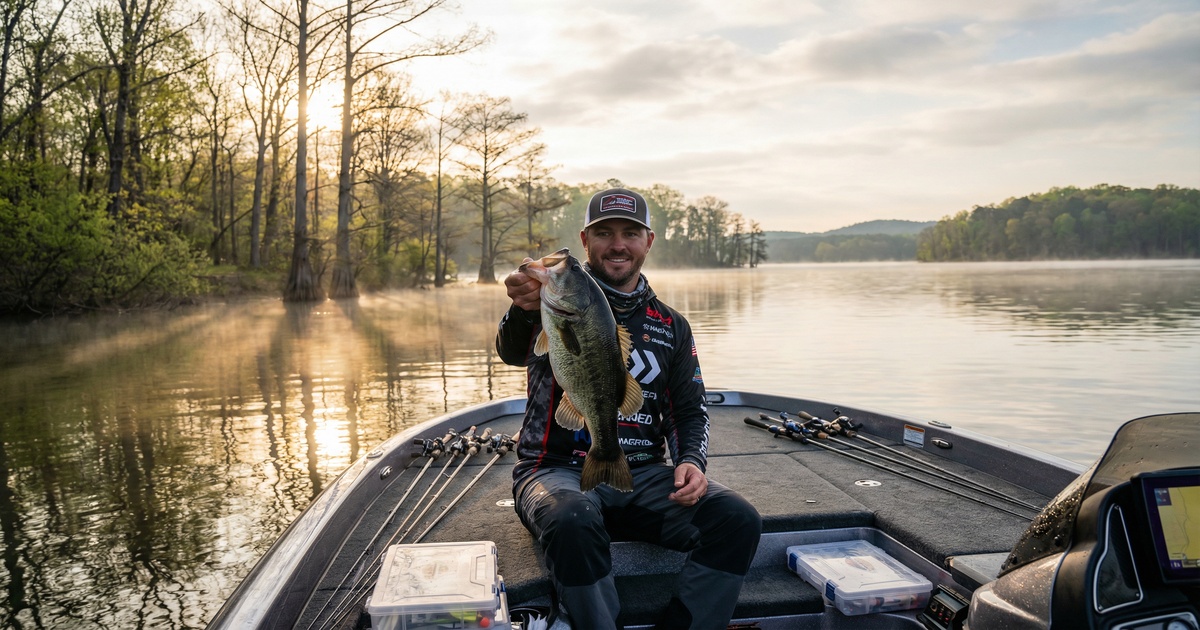
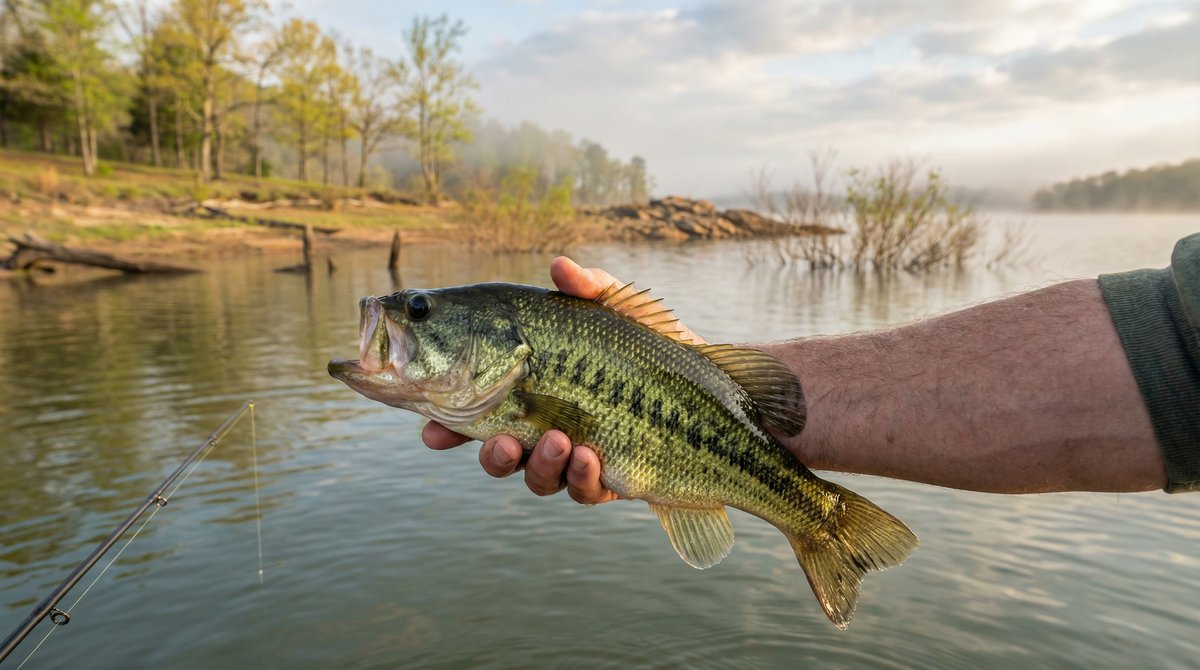
Bass are moving toward spawning flats as water temperatures climb through April and May across much of the country. If you're catching a fish off a bed, handle it carefully — wet your hands, minimize air exposure, and release it quickly. Bedding bass are particularly vulnerable, and removing them from the nest even briefly can result in nest predation.
The general guideline from fisheries biologists is to keep bass out of water for no more than 30 seconds during spawn season, and ideally return them to the exact location where they were caught.
It's not just ethics — in many states there are specific regulations around targeting bedding bass. Check your local DNR website before you go.
Quick Picks by Scenario
| Situation | Rod | Reel | Approx. Cost |
|---|---|---|---|
| Budget freshwater bass | Ugly Stik GX2 | Pre-matched GX2 reel | $40–$60 |
| All-around bass spinning | Ugly Stik Elite 7' M/F | Shimano Stradic FL | $150–$200 |
| Walleye specialist | St. Croix Eyecon | Shimano Nasci | $200–$250 |
| Bass baitcasting | Daiwa Tatula XT 7' MH/F | Lew's Speed Spool LFS | $180–$230 |
| Budget inshore saltwater | Ugly Stik Tiger Elite | Penn Pursuit IV | $90–$130 |
| Mid-range inshore | St. Croix Mojo Salt 7' M/F | Penn Battle III | $180–$250 |
| Heavy inshore/nearshore | TFO Inshore 7'3" MH/F | Shimano Saragosa SW 5000 | $280–$350 |
Key Takeaways Before You Shop
- Don't match rods and reels across incompatible weight classes. A heavy saltwater reel on a light freshwater rod isn't a backup plan — it's a broken rod waiting to happen.
- Match your gear to your most common presentation, not the occasional one. A medium fast spinning combo handles 80% of spring bass situations. Optimize for that before you specialize.
- Rinse saltwater gear after every use. No exceptions. Five minutes of rinsing extends your gear life by years.
- Barometric pressure affects spring fishing more than most people realize. Fish the stable windows. Check the trend before you leave the house — HookCast's weather tool shows you where pressure is headed, not just where it sits right now.
- Spend more on the rod than the reel if you have to choose. A good blank with a mid-grade reel outperforms a cheap rod with an expensive reel almost every time. You feel the fish through the rod.
- Handle spawning fish with care. Wet hands, short air exposure, proper release back to the site. Take the photo fast and get them back in the water.
Spring fishing is about to get good. The pre-spawn window — when bass are feeding hard before locking onto beds, when walleye are staging in rivers, when redfish are cruising warming flats — is one of the most consistent bites of the entire year. Get the right tool in your hand and go find them.
FAQ
What is the best fishing rod and reel combo for bass in 2026?
For most anglers targeting bass, a medium or medium-heavy fast-action spinning rod in the 6'10" to 7' range paired with a quality 2500–3000 size spinning reel is the most versatile option. Combos like a Shimano Stradic FL paired with an Ugly Stik Elite cover finesse presentations, ned rigs, wacky rigs, and light Texas rigs effectively. Budget-conscious anglers can rely on the Ugly Stik GX2 combo, which performs reliably for around $40–$60.
What rod and reel combo should I use for saltwater inshore fishing?
For inshore saltwater species like redfish, speckled trout, and flounder, a medium fast 7-foot spinning rod paired with a sealed, corrosion-resistant reel is the standard. The Penn Battle III in a 3000–4000 size matched with a St. Croix Mojo Salt rod is a well-regarded mid-range combination around $180–$250. Always rinse saltwater reels thoroughly with fresh water after each use to extend their lifespan.
Is a spinning combo or baitcaster combo better for spring bass fishing?
Spinning combos are more versatile for spring bass fishing, especially for lighter lures and finesse presentations common during the pre-spawn period. Baitcasting combos offer advantages for heavier applications like flipping cover, throwing big swimbaits, or punching mats — but they require more practice to cast accurately. If you're still developing your casting skills, a quality spinning setup will not limit your fishing ability.
How much should I spend on a fishing rod and reel combo?
You don't need to spend more than $150–$200 for a freshwater combo that handles most situations reliably. Budget options in the $40–$80 range are genuinely fishable and hold up well for recreational anglers. For saltwater, a minimum of $100–$130 is recommended to ensure the reel has adequate corrosion resistance — cheaper reels often fail quickly in saltwater environments regardless of rinsing habits.
Does barometric pressure really affect fishing in spring?
Yes — barometric pressure has a measurable effect on fish feeding behavior, particularly for bass and walleye. Stable or slowly rising pressure windows tend to produce the most consistent bites, while rapidly dropping pressure (ahead of a storm front) often causes fish to feed aggressively in the short term before going inactive. Standard atmospheric pressure sits around 1013.25 hPa per NOAA, and significant drops below that mark typically slow the bite. Checking pressure trends before a trip helps you fish smarter rather than just hoping for the best.