Lake Fork Texas Spring Fishing Guide: Trophy Bass Capital of the South
Picture this: You've saved up, driven down to East Texas in late March, launched the boat before sunrise, and by 8 a.m. you've had exactly zero bites. The guy at the ramp told you the bite was "on fire last week." You're staring at your depth finder wondering where it all went wrong.
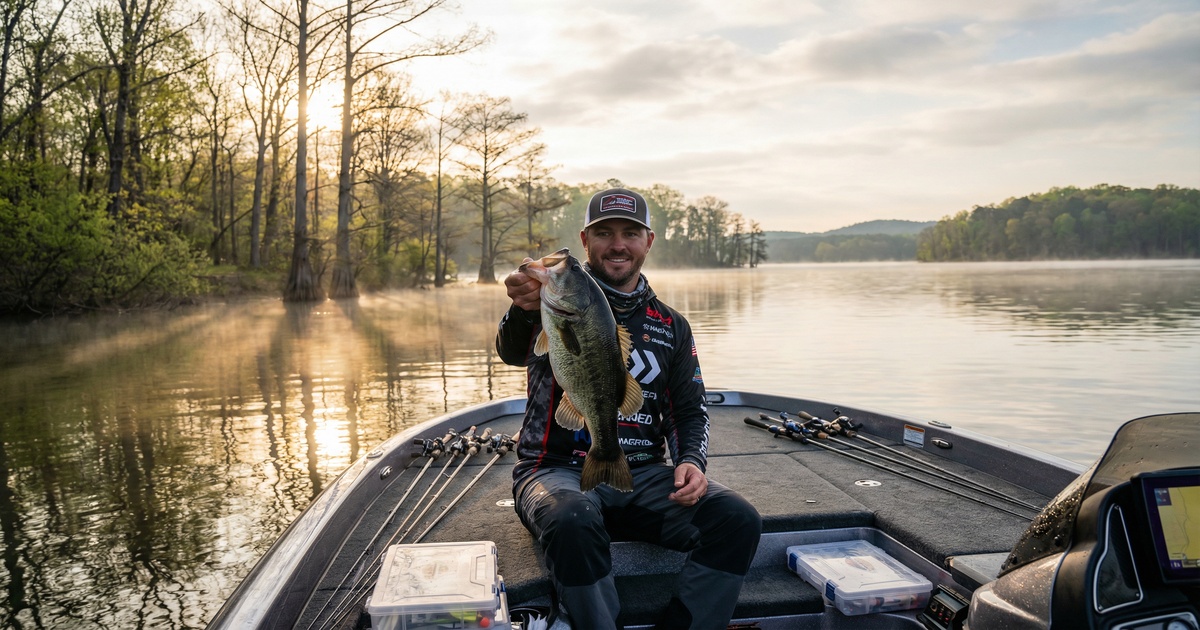
I've been there. I've also had the flip side — a late-February morning on Lake Fork where a 9-pound largemouth ate a swimbait in two feet of water and nearly ripped the rod clean out of my hand. The difference between those two days wasn't luck. It was timing, water conditions, and understanding what's actually happening beneath the surface.
Lake Fork is genuinely special water. This 27,000-acre reservoir in Wood County, East Texas has produced more ShareLunker entries — bass weighing 13 pounds or more — than any other lake in the country. That's not marketing copy. That's decades of documented catches through Texas Parks & Wildlife's tracking program. But a big lake with big fish still requires a plan, especially in spring when patterns can shift inside a single week.
Here's how to put one together.
Why Spring Is Lake Fork's Best Season
Spring on Lake Fork isn't one thing — it's three distinct phases packed into roughly eight weeks, typically running from mid-February through late April depending on the year. Each phase demands a different approach, different depths, and different baits.
What makes spring so productive is simple biology. Bass are moving from their winter haunts in the 18-28 foot range toward the shallows to spawn, and they're feeding heavily along the way. A fish that barely moved all January is suddenly covering ground, and covering ground means it can be targeted.
Water temperature is your primary clock. Bass begin staging when water hits around 48-52°F, shift into true pre-spawn behavior around 55-60°F, and spawn when temperatures climb to 62-68°F. Post-spawn recovery and active feeding resume through the 68-72°F range. USGS water temperature data for nearby stream gauges can help you track warming trends before you ever leave the driveway.
The bonus: Lake Fork's population of 10-plus-pound bass is dense enough that legitimately giant fish are in play through all three phases — not just one narrow window.
Pre-Spawn: February Through Mid-March
What's Happening
This is the most overlooked phase on Fork, and honestly the one I look forward to most. Most anglers wait until they hear the spawn is happening and show up late. The pre-spawn fish — especially the biggest females — are actively feeding and more vulnerable to conventional bass presentations than they'll be once they're locked on beds.
Pre-spawn bass at Lake Fork stage on secondary points, submerged creek channel ledges, and main lake flats adjacent to spawning coves. They're not shallow yet, but they're not in their winter depths either. Look for fish suspended in the 8-16 foot range along the edges of creek channels that feed into major spawning bays — areas like Birch Creek, Little Caney, and the upper lake near Highway 515 are worth serious attention.
Best Pre-Spawn Techniques
Suspending jerkbaits are the single best search tool in cold pre-spawn water. A Megabass Vision 110, Smithwick Rogue, or similar suspending minnow worked with long pauses — 5 to 10 seconds between twitches — will trigger neutral fish that won't commit to faster presentations. Downsize your line here; 10-pound fluorocarbon on a medium-action rod lets the bait achieve proper suspend depth and drift naturally between twitches.
Football jigs and big swimbaits cover the deeper staging zones (10-20 feet) along channel breaks. A 3/4-ounce football jig with a bulky chunk trailer, dragged slowly along the base of a point, is one of the most consistent big-fish producers on Fork in late February. Lake Fork's forage base runs heavy on shad and crawfish, so don't overthink color — green pumpkin, brown, and shad patterns handle most situations.
Alabama rigs are legal in Texas and worth fishing throughout pre-spawn. A 5-wire rig with 3-inch paddle tails on a slow, steady retrieve through open water adjacent to staging areas draws reaction strikes from aggressive pre-spawn fish that want an easy meal.
Field note: Pre-spawn at Lake Fork tends to run 1-2 weeks later than you'd expect compared to Central Texas reservoirs. The tall timber and East Texas latitude slow the lake's warming. I've had consistently better results watching actual water temperature than following the calendar.
Barometric Pressure Matters Here
Pre-spawn fish are highly sensitive to pressure swings. After a cold front passes and pressure spikes above 30.20 inHg, the bite gets tough — fish go neutral and suspend mid-column rather than feeding along the bottom. Your best fishing is usually during the 24-48 hours before a front arrives, when pressure is actively falling. Check the current barometric pressure trend on HookCast before you finalize your launch time. A falling-pressure morning in late February is legitimately worth planning an entire trip around.
Spawn: Mid-March Through Mid-April
Reading the Spawn Timing
Spawning on Lake Fork isn't a single event — it rolls in waves across several weeks. Coves with darker bottom substrate and southern exposure warm faster, so they'll see fish on beds first. Protected pockets off the main lake, particularly those with hard bottom (clay or sand mixed with gravel) near transitions to deeper water, are prime real estate.
Texas Parks & Wildlife typically tracks Fork's spawn activity, and you can cross-reference local reports with the TPWD Lake Fork page for historical context and current regulation updates.
Sight Fishing — Do It Right
Lake Fork has exceptional water clarity in spring compared to most Texas reservoirs. In the right coves, visibility can reach 4-6 feet, making sight fishing for bedding bass genuinely productive rather than the frustrating guessing game it is elsewhere.
Here's my honest take on sight fishing the spawn: it's among the most exciting things you can do with a bass rod, but it comes with real responsibility. Bedding fish are actively protecting eggs and fry. If you pull a big female off her bed and she's out of the water for a minute while someone gets a photo sorted out, you've potentially ended that spawn cycle entirely.
Best practices for spawn sight fishing at Lake Fork:
- Use a rubberized net to land and hold fish
- Keep fish in the water as much as possible — aim for under 30 seconds out of the water for photos
- Return fish to the exact location where you caught them, not to open water nearby
- Consider crimping barbs on treble hooks to speed up the release process
- Support big females horizontally — never lip-hang a 10-pound bass vertically by the jaw
Lake Fork's trophy fishery exists because anglers have largely followed these practices over decades. The fish will be there next year if you treat them right.
Spawn Baits That Actually Work
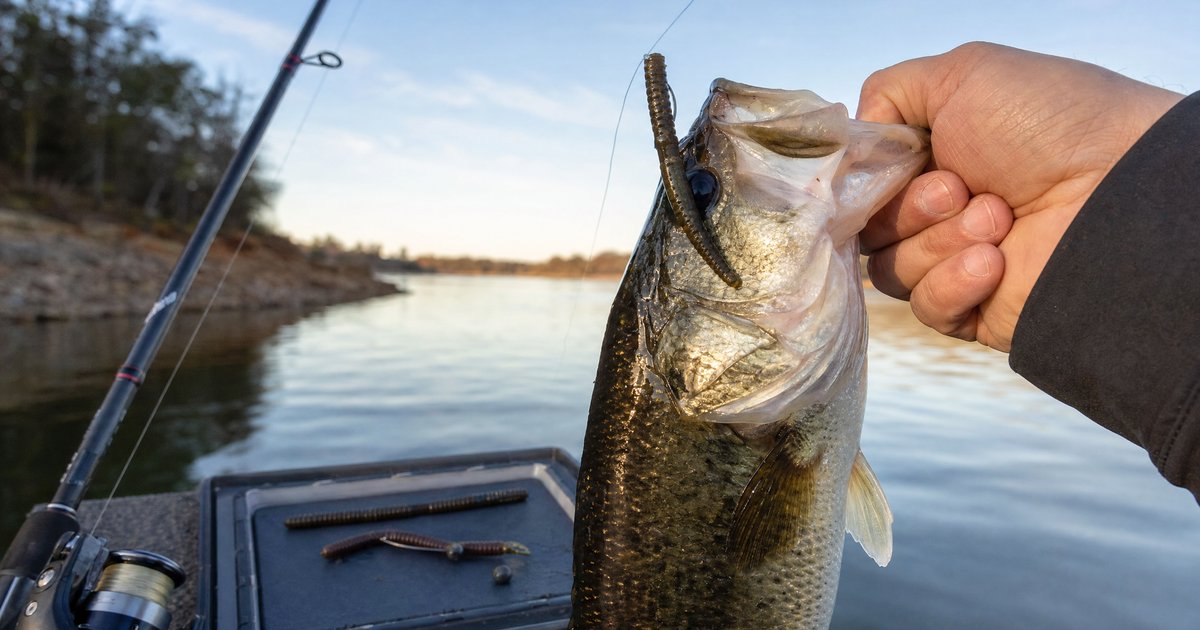
Texas-rigged creature baits fished directly on the bed are the classic presentation. A 1/4-ounce tungsten weight with a Zoom Brush Hog or Rage Craw in green pumpkin or watermelon red is tough to beat. Cast past the fish, drag the bait onto the bed, and let it sit. Sometimes you wait two minutes. Sometimes ten. Patience is the technique.
Neko rigs and nail-weight worms shine on finicky, heavily pressured spawners. The subtle quivering action without the bait moving far off position can trigger a bed fish that has ignored everything else thrown at it.
Weedless swimbaits — paddle tails or boot tails on wide-gap hooks — work well for sight fishing fish holding in vegetation, which is common around Lake Fork's stump fields and hydrilla patches where clear water and cover converge.
From field experience: Skip the white or chartreuse spawn baits that get significant promotion online. On Lake Fork's tannin-stained water, darker natural colors almost consistently outperform. These fish have been caught before. They've seen the flashy stuff.
Post-Spawn: Late April Through May
The Overlooked Big-Fish Window
Most visiting anglers leave when the spawn winds down. That's a significant mistake on Lake Fork.
Post-spawn females need to feed aggressively to recover the weight they burned holding on beds. The fish that was too focused on guarding a bed to eat for two weeks is now primarily focused on calories. Big females push to main lake points, submerged timber edges, and the first significant depth breaks adjacent to spawning areas, typically settling in the 6-15 foot range.
Males, which spawn after females and guard fry longer, stay shallow for an extended period. You'll find catchable fish in 3-5 feet of water well into May if you look in the right places.
Post-Spawn Techniques
Topwater fishing in the early morning hours becomes legitimately productive in late April and May. A Whopper Plopper 110, Zara Spook, or buzzbait worked over submerged timber and along flooded willow banks can produce violent strikes from post-spawn fish that are actively chasing shad schools. The morning topwater bite on Lake Fork is one of the most electric experiences in freshwater bass fishing — when it's running, you'll hear it before you see it.
Punch rigs through hydrilla and surface mat open up a completely different game. Lake Fork grows thick hydrilla in the creek arms and major coves, and by late April the vegetation is matted enough to fish effectively. A 1.5-2 ounce tungsten weight with a compact creature bait is the right setup. This is where some of Fork's largest post-spawn fish hold and where many casual anglers never look.
Finesse techniques — drop shots, shaky heads, and Ned rigs — cover tough post-frontal conditions and pressured fish in the timber. Don't dismiss finesse fishing on Fork just because you're chasing double-digit bass. A 10-pound largemouth will absolutely eat a 4-inch finesse worm when the presentation is right and everything else has been rejected.
| Phase | Water Temp | Depth Range | Top Techniques |
|---|---|---|---|
| Pre-Spawn | 48-60°F | 8-20 ft | Jerkbait, football jig, Alabama rig |
| Spawn | 62-68°F | 1-6 ft | Bed fishing, Texas rig, Neko rig |
| Post-Spawn | 68-74°F | 4-15 ft | Topwater, punch rig, drop shot |
Lake Fork Logistics and Local Knowledge
Access and Regulations
Lake Fork requires a Texas freshwater fishing license, available through the TPWD license portal. No special permit is required for Fork specifically, but the lake does carry a minimum length limit of 16 inches for largemouth bass, and only one bass over 24 inches may be kept per day — a regulation designed specifically to protect the trophy fish population that defines the lake's reputation.
Practically speaking, most serious Fork anglers practice full catch-and-release, especially during the spawn. The lake's reputation was built on that culture over many years, and it's worth honoring.
Public boat ramps include Lakeview Marina, Lake Fork Marina, and the state ramp at Highway 515, which are the most commonly used access points. Be aware that the lake has significant private shoreline, so pay attention to posted areas and stick to designated public access.
Cell service is unreliable in parts of the upper lake. Download your maps before launching. Pull up the HookCast fishing forecast for the Lake Fork area before you leave town so you have current conditions cached and accessible when you're out of range.
Weather Patterns to Watch
East Texas spring weather is genuinely unpredictable in ways that can catch visiting anglers off guard. Severe thunderstorms are possible from March through May, and conditions can deteriorate faster than forecast on a 27,000-acre open reservoir.
Safety note: Lake Fork develops significant wave action in south and southwest winds above 15 mph, particularly in the main lake basin. Stay close to bank cover when weather looks uncertain, and get off the water immediately if you hear thunder. This isn't a suggestion.
Cold fronts in March and April can drop air temperatures 20 degrees or more overnight. The day after a major front typically produces slow fishing, but fish recover faster once skies clear and pressure stabilizes — usually within 24-48 hours. Watch barometric pressure trends rather than temperature alone, and plan your best fishing days accordingly.
What Kayak and Small Boat Anglers Should Know
You don't need a fully rigged tournament bass boat to catch fish on Lake Fork. Some of the best spring spots on that lake are tucked into creek arms that are difficult to navigate in a large boat but ideal for a kayak or small aluminum. The upper lake runs very shallow during winter drawdown, but by March it's navigable in anything drawing less than 18 inches.
Kayak-specific tips for Fork:
- Launch from secondary ramps to avoid weekend boat traffic at the primary access points
- Fish the protected creek arms early when main lake wind is building
- Bring a trolling motor or come prepared to paddle hard — main lake wind can get serious fast
- A rod crate with holders and a compact tackle box is genuinely all you need; focus on your four best baits per phase rather than hauling a full selection
Quick-Reference Spring Checklist for Lake Fork
Before You Go:
- [ ] Check water temperature through boat ramp Facebook groups or TPWD reports
- [ ] Review barometric pressure trend — falling pressure typically opens the bite window
- [ ] Confirm your Texas freshwater fishing license is current
- [ ] Check local forecast for front timing and wind direction
- [ ] Download lake maps for offline use before you lose cell signal
Gear Essentials by Phase:
- [ ] Pre-spawn: Suspending jerkbait, football jig, 5-wire Alabama rig
- [ ] Spawn: Texas rig setup (1/4-ounce tungsten, creature baits), Neko rig
- [ ] Post-spawn: Topwater selection, punch rig, finesse drop shot
At the Ramp:
- [ ] Note water clarity and color — stained vs. clear water changes bait color decisions
- [ ] Talk to anyone coming in — ask for water temperature, not just whether the bite is good
- [ ] Check whether hydrilla has surfaced yet, which determines punch rig viability
Ethics Reminders:
- [ ] Rubberized net in the boat before you leave the ramp
- [ ] Keep spawn fish in the water during photos — under 30 seconds out
- [ ] Return bedding fish to the exact spot, not open water
- [ ] Report ShareLunker-eligible fish (13-plus pounds) through TPWD — the data genuinely advances the science
Frequently Asked Questions
What is the best time of year to fish Lake Fork for trophy bass?
Spring — specifically late February through mid-April — is widely considered the best window for targeting Lake Fork's largest bass. Pre-spawn females feed aggressively before moving onto beds, and fish are most accessible in the 8-20 foot range on points and channel breaks. Water temperatures between 55-65°F represent the sweet spot for both fish activity and angler success on Fork.
What are the size and bag limits for bass at Lake Fork, Texas?
Lake Fork has a minimum length limit of 16 inches for largemouth bass, with a daily limit of one bass over 24 inches. The 24-inch slot rule is specific to Lake Fork and is designed to protect the trophy fish population that defines the lake's reputation. Always verify current regulations through Texas Parks & Wildlife before fishing, as rules can be updated between seasons.
Do you need a special permit to fish Lake Fork, Texas?
No special permit is required beyond a standard Texas freshwater fishing license, which covers Lake Fork. Licenses can be purchased online through the Texas Parks & Wildlife Department website. Be aware that significant portions of the shoreline are private property, so access is limited to public ramps and designated areas.
What baits work best for spring bass fishing at Lake Fork?
During pre-spawn (February through mid-March), suspending jerkbaits and football jigs are the most consistent producers. Once fish move to beds in mid-March through April, Texas-rigged creature baits and Neko rigs fished directly on spawning sites are most effective. Post-spawn (late April through May) opens the topwater bite, and punch rigs through hydrilla become highly productive. Natural colors — green pumpkin, watermelon red, and brown — consistently outperform flashier options in Lake Fork's tannin-stained water.
Is Lake Fork good for kayak fishing?
Yes, Lake Fork is accessible and productive for kayak anglers, particularly in the upper lake creek arms and protected coves that see significantly less boat pressure than main lake access points. Water depths in the spawning areas and creek arms are manageable for low-draft craft from March onward. Exercise caution on the main lake basin — the reservoir is large enough to generate serious wave action in strong wind — and retreat to protected water if conditions deteriorate.