Carp Fishing in America: European Techniques That Work on US Waters
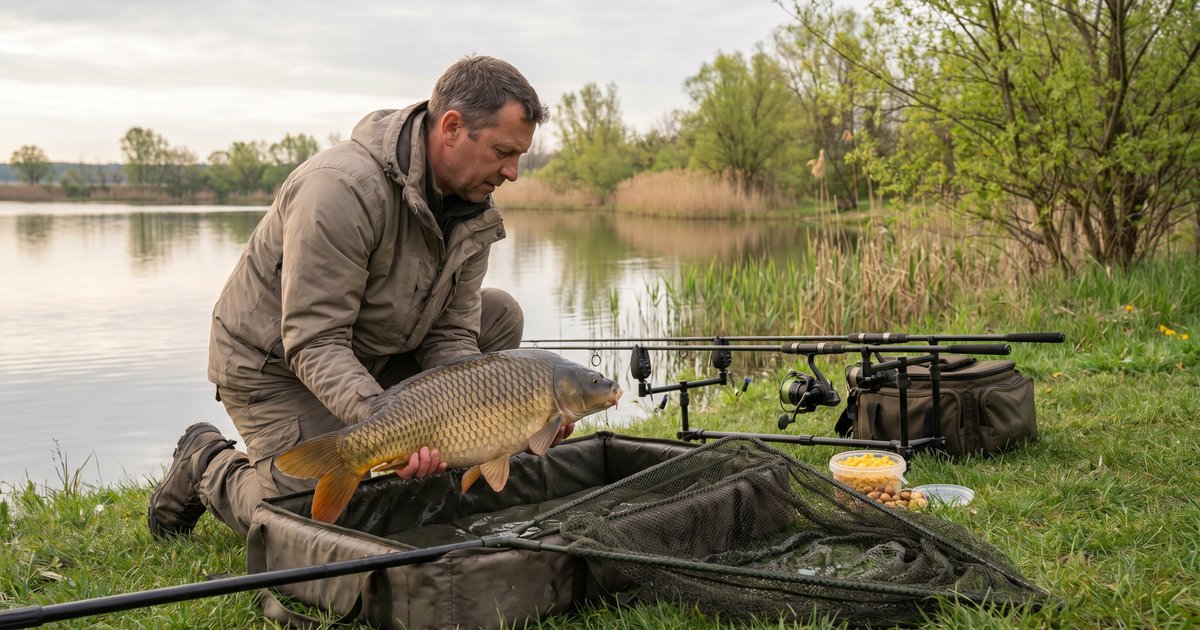
There's a pond about 20 minutes from my house that I drive past every time I head out for bass. For years I barely gave it a second thought. Then one morning in late April, I pulled over and watched a guy land three common carp over 20 pounds in roughly two hours. He had a simple rod pod setup, a small bait bucket, and a folding chair. He was barely moving — and he was absolutely crushing it.
That got my attention.
Carp fishing has a massive following in Europe. In the UK especially, it's practically a religion — dedicated gear shops, specialist magazines, weekend-long sessions on private lakes. Here in the US, most anglers walk right past carp like they're junk fish. That's starting to change, and honestly, it should. Common carp (Cyprinus carpio) are widely distributed across American freshwater, they fight hard, they get legitimately big, and they're a real challenge to target consistently.
The European methods refined over decades? They work here too. And most of them don't require a huge investment to get started.
Why American Anglers Are Finally Paying Attention to Carp
Carp have been in American waters since the 1800s, introduced intentionally for food and sport. Today, Common carp are one of the most widespread non-native freshwater species in North America, found in virtually every state — farm ponds, big rivers, reservoirs, urban lakes, you name it.
For a long time, American fishing culture wrote them off. Too rough-looking, bottom feeders, invasive. That last point is worth clarifying: the common carp introduced in the 1800s is a fundamentally different animal from the invasive Asian carp species causing problems in the Mississippi basin — more on that distinction below. But the carp community has been quietly growing here, driven by anglers who've traveled to Europe or discovered the European approach online.
Here's the honest case for carp fishing:
- A 20-pound carp on a 10-pound-class rod is a legitimate, rod-bending fight
- They're everywhere — no trailer, no boat required for most spots
- Spring is prime time, when they're shallow and actively feeding
- European techniques reward patience and presentation over raw gear investment
A quick note on species: This guide covers common carp and mirror carp — the traditional European sport fish. We're not talking about bighead, silver, or grass carp (collectively called "Asian carp"), which are a separate invasive species issue entirely. Know your water and check your state's regulations before you head out — rules around carp fishing vary significantly across states.
The Core European Techniques (and How to Adapt Them)
European carp fishing has its own vocabulary and gear ecosystem. You don't need to go all-in to get results, but understanding the fundamentals will save you a lot of time fishing with the wrong setup.
The Hair Rig: The Single Most Important Innovation
If you take one thing from European carp fishing, make it the hair rig. Developed in England in the late 1970s, it changed carp fishing completely — and it will change yours.
Here's the concept: instead of threading your bait directly onto the hook, the bait hangs off a short length of line — the "hair" — tied to the bend of the hook. When a carp sucks in the bait, the hook is separate and free to catch in the mouth. The fish can't feel the hook until it's already committed.
On American waters, this makes an immediate difference. Carp in accessible spots tend to be pressured and suspicious. A bait presented on a traditional hook often gets mouthed and rejected before you ever register a take.
Setting up a basic hair rig:
- Use a size 4–8 wide-gap or curved-shank carp hook (Owner, Gamakatsu, and Korda all make solid options)
- Tie a 1–2 inch "hair" of braid or monofilament off the hook bend
- Use a bait needle to thread your bait (corn, boilies, or bread) and secure it with a small bait stop
- Connect to a 15–20 lb fluorocarbon hook link
It sounds fiddly the first time. After a few sessions it becomes second nature.
Method Feeders and Groundbait
European carp anglers use feeders — small weighted cages or molds — packed with groundbait: a crumbled attractant mix that disperses in the water and draws fish into the area. The hook bait sits right in or alongside the feeder ball.
The method feeder is a flat-sided or frame feeder that you mold a ball of groundbait around before casting. When it hits the bottom, the groundbait slowly breaks down, creating a concentrated feeding zone. Your hook bait is right in the middle of it.
This approach translates well to American lakes and slow rivers. You're not chumming in any problematic sense — you're concentrating attractant around your presentation, which is legal in virtually all US freshwater fisheries (always confirm local rules before you go).
Basic groundbait mix for American waters:
- Crushed corn or canned sweet corn liquid
- Ground rolled oats
- Commercial carp groundbait (available from retailers like Dynamite Baits USA)
- Molasses or corn syrup as a binder
Keep it simple. Canned corn juice mixed into dry breadcrumbs and crushed oats makes a perfectly effective groundbait, and it costs almost nothing.
Boilies: Worth the Investment?
Boilies are the iconic European carp bait — round, hard balls made from a base mix (typically fishmeal, bird food, or semolina) combined with eggs and flavoring, then boiled to form a tough outer skin. They sit on a hair rig perfectly and resist small nuisance fish far better than soft baits.
In Europe, anglers often commit to a single boilie for an entire season, building a "bait profile" that carp learn to associate with food.
In the US, boilies are available but still niche. Sticky Baits, Mainline, and CCMoore are popular brands worth trying. That said, for most anglers starting out, sweet corn, bread, tiger nuts, and homemade dough baits will produce results without the cost. Start simple, dial in a couple of spots, and experiment with boilies once you're catching consistently.
Reading the Water: Where American Carp Actually Are in Spring
Spring is the best time to target carp across most of the US. Water temperatures between 58–68°F trigger serious pre-spawn feeding, and carp often push into very shallow water where they're accessible from the bank.
Locating Pre-Spawn Carp
In spring, focus on:
- Shallow bays with soft mud or gravel bottoms — carp root for invertebrates and plant material
- Warm water inflows — drainage pipes, creek mouths, or anything bringing slightly warmer water into a lake
- Emerging weed edges — carp follow new vegetation growth as the season progresses
- Riprap banks — abundant invertebrate life and thermal absorption in the rock
USGS stream gauge data is genuinely useful if you're fishing rivers. You want flows settling into a stable moderate level after spring high water — carp are difficult to target in dirty, fast-rising conditions.
Weather and Pressure Windows
This is where paying attention to conditions pays real dividends. Carp are notoriously sensitive to barometric pressure changes. Consistent experience across many sessions points to the same conclusion: stable or slowly rising pressure produces the best carp fishing. A sharp pressure drop ahead of a front often kills the bite cold.
Before any carp session, I check the pressure trend on HookCast. If the barometer has been steady for 24+ hours or is slowly ticking upward, that's a green light. A sudden 10+ hPa drop over 12 hours? I'll wait it out or target a different species.
Standard atmospheric pressure sits around 1013.25 hPa per NOAA baseline — when you're consistently above that and holding steady, carp tend to be active and feeding at normal depths.
Field note: The best carp morning I've had was a calm, overcast day following two days of stable high pressure in late April. Water temperature was 62°F. I put four fish over 15 lbs on the bank in a three-hour session at a public reservoir. Nothing elaborate — corn on a hair rig, a method feeder, and a camp chair. Sometimes it's genuinely that straightforward when conditions align.
Tackle and Setup: What You Actually Need
You don't need to go full European specimen hunter to get started. Here's a practical baseline for American anglers.
Rod and Reel
Dedicated carp rods run 12–13 feet and are designed to cast heavy leads and feeders accurately at distance. They're rated in "test curve" — a 2.5–3 lb test curve covers most North American situations comfortably. Brands like Daiwa, Okuma, and Sonik offer entry-level carp rods in the $60–$150 range.
That said, if you want to start before committing to specialist gear, a medium-heavy spinning rod in the 7–9 foot range paired with 15–20 lb braid will catch you carp. It won't cast a method feeder as cleanly, but it absolutely works.
For reels, a baitrunner (freespool) reel is the classic carp choice. When a carp takes and runs, the freespool releases line without engaging the main drag — you hear the alarm, pick up the rod, and the drag activates when you turn the handle. Shimano and Daiwa both make solid baitrunners in the $80–$150 range.
Terminal Tackle Essentials
| Item | Purpose | Notes |
|---|---|---|
| Hair rig hooks (Size 4–8) | Main hook setup | Curved shank or wide gap work best |
| Bait needle + stops | Hair rig assembly | Cheap and essential |
| Method feeder (30–60g) | Groundbait delivery | Flat method feeders are most versatile |
| Swivels and quick links | Rig connection | Size 8 barrel swivels |
| 15–20 lb fluorocarbon | Hook link material | 12–18 inch leaders |
| 30 lb braid mainline | Main line | Low stretch helps detect takes |
| Bite alarm or rod bells | Take detection | Euro alarms are ideal; bells work fine |
A Word on Barbless Hooks
Fish barbless or micro-barb hooks when you can, especially in spring when carp are close to spawning. Barbless hooks allow faster, cleaner releases with less damage to the mouth. Most UK carp gear comes barbless or lightly barbed by default — and some European fisheries require it. Regardless of local rules, it's good practice. A carp that swims away hard is the goal.
Practical Session Tips for American Waters
Bank Fishing vs. Kayak
Most European carp techniques were built for bank fishing — extended sessions, multiple rods, stationary presentation. That model translates well to American lakes and reservoirs from a simple folding chair setup on the bank.
From a kayak, carp fishing is entirely doable but works differently. Drifting corn rigs in slow rivers or sight-fishing shallow bays both produce results. Running multiple rods from a rod pod is harder on the water, but a single rod with a method feeder cast to a visible feeding zone works well. For shallow spring carp specifically, a kayak can actually give you a mobility edge — you can cover water quietly looking for actively feeding fish, then anchor up and present.
Carp on Public Water: Managing Expectations
Public lakes and urban ponds see meaningful carp pressure in some areas, especially across the Midwest and mid-Atlantic where European immigrant communities have targeted carp far longer than most American anglers have been alive. Those fish can be genuinely spooky.
Tips for pressured fish:
- Scale down your hook link to 10–12 lb fluorocarbon
- Use smaller baits — 2–3 kernels of corn instead of a full boilie
- Pre-bait if you can — dropping free corn or groundbait 24 hours before your session significantly improves the bite
- Stay quiet — carp spook easily from bank vibration; keep movement minimal
Regulations Reminder
Carp regulations vary more than most anglers expect. Some states encourage harvest with no size or bag limits. Others have rules specific to certain water bodies, especially where invasive species management overlaps with traditional carp fishing. A few states restrict certain baits or feeding methods. Check with your state wildlife agency before fishing unfamiliar water — there's no universal rule across the US.
Key Takeaways
- Common carp are widely accessible across American freshwater and are genuinely underrated as a sport fish
- The hair rig is the single most useful European technique to adopt — it improves hook-up rates immediately and is straightforward to learn
- Method feeders with groundbait concentrate fish around your presentation without complicated chumming setups
- Spring is prime time: target 58–68°F water temps, stable barometric pressure, and shallow bays with warm water influence
- You don't need expensive specialist gear to start — a medium-heavy spinning setup with hair rigs and a method feeder will catch fish
- Check local regulations before fishing — carp rules vary significantly by state
- Handle carp carefully and fish barbless when possible, especially during pre-spawn
- Before heading out, check current barometric pressure on HookCast — stable to rising pressure windows are your best bet for active, feeding carp
FAQ
What is the best bait for carp fishing in the USA?
Sweet corn is the most effective and accessible carp bait for American anglers — inexpensive, widely available, and genuinely attractive to carp. Bread, tiger nuts, and boilies are also productive. Most European baits translate well to US carp, but corn consistently produces results across water types and seasons without any specialist preparation required.
Do I need special carp fishing gear to get started?
No. While dedicated European carp gear — long rods, baitrunner reels, bite alarms — improves your presentation and casting distance, a standard medium-heavy spinning setup in the 7–9 foot range paired with 15–20 lb braid will catch carp. The most impactful single upgrade is switching to a hair rig, which dramatically improves hook-up rates and is straightforward to set up with basic terminal tackle.
When is the best time of year to catch carp in the US?
Spring is the most productive season across most of the US, particularly when water temperatures sit between 58–68°F. Carp move into shallow areas to feed aggressively before spawning, making them far more accessible from the bank. Early morning sessions during stable barometric pressure windows tend to produce the best results.
Is carp fishing legal across the United States?
Common carp can be legally fished in all US states, but regulations vary significantly by location — including bag limits, harvest rules, specific bait types, and feeding methods. Some states actively encourage carp removal while others manage them as standard sport fish. Always check with your state wildlife agency before fishing new water, particularly in areas where Asian carp management may complicate local regulations.
What's the difference between common carp and Asian carp?
Common carp (Cyprinus carpio) are the traditional European sport fish covered in this guide — widespread in American freshwater and targeted through intentional angling methods. Asian carp (bighead, silver, grass, and black carp) are a separate group of invasive species causing significant ecological concern in river systems like the Mississippi basin. They're different fish entirely and are not typically targeted through traditional sport fishing.