How Coastal Ecosystems Influence Saltwater Fishing: Grass Flats, Oyster Beds & Mangroves
Last spring, a client of mine — a guy who'd been fishing the same stretch of South Carolina coast for fifteen years — watched in frustration as a guide in a beat-up jonboat pulled fish after fish out of what looked like a shallow, weedy mess three hundred yards away.
"What's he doing over there?" my client asked.
"He's fishing the ecosystem," I told him. "Not just the water."
That's the line between anglers who consistently find fish and those who cover miles of shoreline wondering where everything went. Saltwater fish don't roam randomly. They follow food, shelter, and oxygen — and the coastal ecosystems that provide all three are predictable, readable, and absolutely fishable once you understand how they work.
This article breaks down three of the most productive coastal habitats on the U.S. coastline: grass flats, oyster beds, and mangroves. Each one operates differently, holds different species, and rewards different tactics. But together they form a connected system that, once you learn to read it, changes how you approach saltwater fishing for good.
Why Habitat Matters More Than Most Anglers Realize
Most recreational anglers think about fishing locations in terms of access — where to park, where to cast, where they've caught fish before. That thinking leaves a lot of fish unfound.
Predatory fish in coastal systems operate on one core principle: minimize energy spent, maximize food gained. Every habitat feature that concentrates bait, provides ambush cover, or creates a current edge is a potential feeding station. Grass flats, oyster bars, and mangroves do all three — often simultaneously.
NOAA Fisheries classifies these habitats as Essential Fish Habitat (EFH), formally recognizing them as critical to the survival and reproduction of managed species. That designation isn't bureaucratic filler. It means redfish, snook, trout, flounder, and dozens of other target species genuinely depend on these environments at key life stages.
The variable that ties everything together is the tide. Tidal movement is the engine that activates these habitats — pushing baitfish in and out, oxygenating shallow water, and triggering feeding windows that can last anywhere from twenty minutes to two hours. When you layer tidal knowledge on top of habitat knowledge, you stop guessing and start planning. Check tide charts for your area before every trip — not just for timing, but to understand how water movement will interact with the specific habitat you're targeting.
Grass Flats: The Underwater Cafeteria
Seagrass meadows rank among the most productive marine environments on the planet. Sea Grant research estimates that healthy seagrass beds can support up to 40,000 fish per acre, along with hundreds of invertebrate species. From a fishing perspective, that density of life makes grass flats the underwater equivalent of a packed diner at lunch — bait everywhere, and predators that know it.
What Grass Flats Actually Do
Seagrass beds serve three functions that matter to anglers:
- They produce food. Shrimp, crabs, pinfish, and juvenile baitfish live in, on, and around the grass. It's a pantry that restocks itself constantly.
- They provide structure. The blades and root systems create micro-cover that small fish use to hide from predators — but that cover also lets predators pin prey against it. There's nowhere to run.
- They influence water clarity. Healthy grass absorbs nutrients and stabilizes sediment, keeping water clearer than bare-bottom flats. Clear water on grass flats means fish can see your presentation, which cuts both ways.
Along the East Coast and Gulf, the dominant species in grass flat systems include spotted seatrout, red drum (redfish), flounder, and snook in Florida. In the mid-Atlantic, striped bass push onto shallow grass edges during spring and fall runs.
Reading a Grass Flat by Tide
Tide stage is everything on grass flats. Here's the basic breakdown:
| Tide Stage | What Happens | Where to Fish |
|---|---|---|
| Incoming (flood) | Water rises over flat edges, pushes bait in | Outer edges, channels adjacent to flat |
| High tide | Fish spread across flat, harder to locate | Potholes, isolated grass clumps, depth changes |
| Outgoing (ebb) | Bait drains off flat through cuts and channels | Channel mouths, drain points, deeper edges |
| Low tide | Flat may be too shallow; fish stack in holes | Deeper holes, adjacent channels |
The incoming tide is generally my favorite window on grass flats. Predators set up on the leading edge of rising water, waiting for shrimp and crabs to get swept off the bottom. On a good incoming tide, you can watch redfish tailing — their tails breaking the surface as they root for crabs in six inches of water. That's as visual as saltwater fishing gets.
Tactics for Grass Flats
Wading is often more productive than fishing from a boat on shallow flats. You reduce noise and can position closer to working fish without spooking them.
For redfish and trout on grass, soft plastic shrimp imitations and gold spoons are workhorses. A 1/4 oz gold spoon on a slow retrieve just above the grass triggers reaction strikes from reds that have seen every live bait presentation in the book.
Field note: The "potholes" on grass flats — bare sandy depressions surrounded by grass — are prime ambush spots. Predators sit in the hole and wait for bait to cross the open sand. If you're fan-casting a flat and getting nothing, work specifically through the potholes. I've pulled trout out of the same 10-foot pothole three days running.
Topwater lures during low-light periods on grass flats are almost unfair. An early morning walk over shallow grass with a MirrOlure Top Dog or similar walking bait during a rising tide is one of the more exciting things you can do with a spinning rod.
Oyster Bars and Oyster Beds: The Structure Nobody's Working
If grass flats are the cafeteria, oyster bars are the diner counter — a harder, crunchier environment that concentrates fish in predictable ways even casual anglers can exploit once they know what to look for.
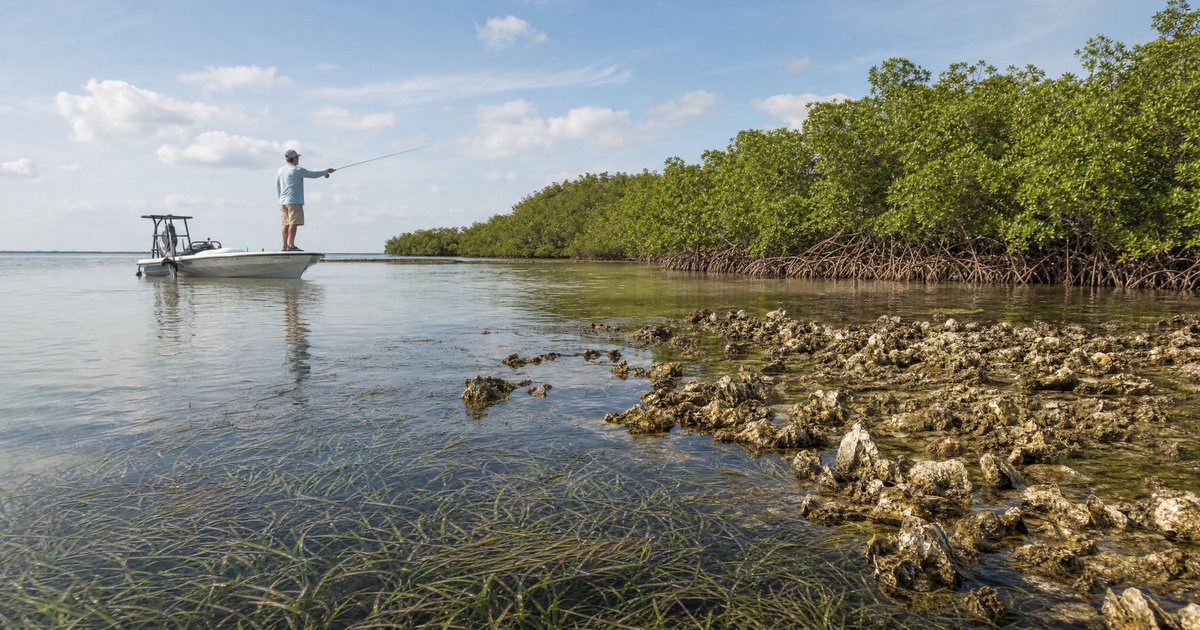
Oyster reefs form when larvae settle on hard substrate and build vertically over time. A well-established bar can rise several feet off the bottom, creating reef-like structure in an otherwise flat estuary. That structure does several things that matter:
- Creates current breaks where fish can hold without burning energy fighting the flow
- Filters water, concentrating nutrients and drawing baitfish
- Provides habitat for crabs, worms, and small fish that hide in the shells and crevices
- Marks depth transitions — the edge of an oyster bar is often where shallow water drops into a deeper channel
Species That Work Oyster Structure
Red drum are the marquee species around oyster bars on the Southeast coast. Their flat, underslung mouths are practically built for rooting crabs and shrimp from shell structure. Black drum use their chin barbels to feel for food along the bottom of oyster reefs.
Flounder set up in sandy pockets adjacent to bars, ambushing baitfish that current pushes toward the structure. Sheepshead pick crabs and barnacles directly off the shells — they're one of the few species that actively feeds on the hard structure itself.
In the mid-Atlantic, striped bass use submerged oyster reefs as ambush points during their fall run. In tidal rivers with oyster bottom, stripers stack up behind a submerged bar and pick off anything the current funnels past them.
Timing the Oyster Bar
The most productive time on an oyster bar is the last two hours of an outgoing tide. As water drops, fish that were spread across the surrounding flat compress toward the bar and the adjacent channel. They're stacked, they're feeding, and they're not going anywhere.
Pro tip: Current direction matters as much as tide stage. The downcurrent side of an oyster bar is where bait gets swept and predators hold. Cast uptide and let your bait drift naturally into the strike zone.
Weedless soft plastics and DOA shrimp on light jigheads are ideal for fishing oyster structure — they bounce off shell without snagging every cast. If you're throwing cut bait for black drum or sheepshead, use a short leader and a small circle hook. The shell will shred fluorocarbon if you give it any chance.
A word on wade fishing around oyster bars: the shell is sharp enough to cut through waders, and an unexpected slip can mean a nasty gash. Always wear thick-soled wading boots and move slowly, feeling with your feet before committing your weight.
Mangroves: The Most Complex Saltwater Habitat in North America
If you've fished Florida or the Gulf Coast, you know the look: a wall of tangled roots dropping directly into dark water, branches overhanging the surface, the kind of cover that makes a long cast impossible and a short, accurate one absolutely necessary.
Mangrove forests are the most structurally complex inshore habitat on the U.S. coastline, and they fish completely differently from grass flats or oyster bars. The rules here: get close, be accurate, and be ready.
Why Mangroves Hold Fish
The prop root systems of red mangroves create three-dimensional structure extending from above the waterline down into the substrate. For fish, that means:
- Shade and thermal cover — mangroves keep the water beneath them cooler in summer and slightly warmer in winter
- Ambush cover — a snook sitting six inches inside a root system is functionally invisible until it moves
- An aerial food source — insects, lizards, and small animals fall from mangrove branches; several target species have adapted to look up for food
- Current breaks — the roots slow tidal flow and create eddies where baitfish stack
Juvenile fish use mangrove root systems as nursery habitat, which explains why adults show up — they come back to feed on the next generation.
Target Species in Mangroves
Snook are the flagship mangrove species on Florida's coast. They're ambush predators that hold tight to the roots, facing the current, and slash at anything that passes within range. On a falling tide, they position right at the outer root edge where baitfish are swept out of the mangroves.
Tarpon move through mangrove-lined channels on overnight incoming tides, rolling near the surface. If you hear rolling fish at night near mangroves, that's your window.
Redfish push into mangrove edges on high incoming tides, sometimes getting almost under the canopy to root for crabs climbing up on the roots. I've watched reds push so far into a mangrove line that you could barely see their tails.
Jack crevalle use mangrove points as ambush stations during bait migrations. They'll blow up on mullet schools pinned against a mangrove shoreline in a way that's genuinely startling if you're not expecting it.
How to Fish a Mangrove Edge
Two scenarios produce the most fish:
Falling tide — the exit point method. As water drains from mangrove-flooded areas, baitfish funnel out through gaps in the root line. Position uptide of these gaps and cast parallel to the shoreline, letting your lure swing through the exit point. This is snook fishing at its most mechanical — find the gap, work the swing, hold on.
Incoming tide — the push. Position ahead of rising water along a mangrove shoreline and walk or drift ahead of it. Redfish and snook pushing with the tide feed actively. A weedless gold spoon or a weightless soft plastic tossed tight to the roots — within inches, not feet — triggers the most strikes.
Accurate casting is non-negotiable in mangroves. A lure that lands two feet short of the roots might not get hit. One that lands six inches inside will hang up. Spend time practicing short, sidearm casts before your first mangrove trip. Your lure needs to skip under overhanging branches and land with minimal splash — a skipping technique with a soft plastic or jig is worth developing in an open area first.
On snook specifically: these fish are subject to strict size and bag limits in Florida, with seasonal closures during their spawning period. Always check current Florida Fish and Wildlife regulations before keeping a snook. Handle them wet, support the body horizontally, and get them back in the water quickly.
Connecting the Habitats: How Fish Move Between Ecosystems
The most important thing to understand about these three habitats is that they don't operate in isolation. On a healthy coastal estuary, grass flats, oyster bars, and mangroves exist in close proximity, and fish move between them based on tide, season, and food availability.
A redfish on the incoming tide might push from a grass flat edge, work the adjacent oyster bar for crabs as the flat fills, then tuck into a mangrove shoreline at high tide to root along the roots. On the outgoing tide, it reverses that route. Understanding this circuit means you're not just targeting a habitat — you're intercepting a fish on a known path.
Look for transition zones: where grass flats meet the sandy edges of oyster bars, where oyster structure grades into a mangrove shoreline, where a tidal creek drains a mangrove flat across a sand bottom with scattered grass. These transitions are where multiple habitat benefits overlap and where fish concentrate most predictably.
When scouting a new area, I spend time on satellite imagery before I ever get in the water. Google Earth and similar tools show grass (green-brown patches in shallow clear water), oyster bars (exposed structure at low tide), and mangrove lines clearly enough to build a mental map of the ecosystem before you launch.
Before heading out, I check tide charts for my area on HookCast to understand how the tidal cycle will animate each habitat zone I'm planning to fish — and which windows to hit first.
Quick-Reference: Habitat Fishing Cheat Sheet
Grass Flats
- Best tide: Incoming, last hour before high
- Key species: Redfish, speckled trout, snook, flounder
- Top tactics: Gold spoon, soft plastic shrimp, topwater at dawn
- Read for: Potholes, grass edges, tailing fish
Oyster Bars
- Best tide: Last 2 hours of outgoing
- Key species: Redfish, flounder, sheepshead, black drum, stripers
- Top tactics: Weedless soft plastics, DOA shrimp, cut crab on circle hook
- Read for: Bar edges, current seams, downcurrent pockets
Mangroves
- Best tide: Falling (exit points), incoming push
- Key species: Snook, redfish, tarpon, jack crevalle
- Top tactics: Weedless spoons, skipped soft plastics, live pinfish
- Read for: Gaps in root line, shade pockets, current breaks
Key Takeaways
- Tide stage activates each habitat differently — know which window to target
- Transition zones between habitats are often the highest-percentage spots
- Accurate short casting beats long casting in structure-heavy environments
- Check local regulations on snook, redfish, and flounder — size and bag limits and seasonal closures vary by state
- Habitat health matters for long-term fishing quality — support clean water initiatives and avoid wading on live oyster reefs unnecessarily
FAQ
What is the best tide for fishing grass flats?
The incoming tide is generally the most productive window for grass flat fishing. As water rises over the flat edge, baitfish, shrimp, and crabs get pushed onto the flat, and predators like redfish and speckled trout set up along the leading edge to intercept them. Tailing redfish are most commonly seen during this phase. High tide can also produce fish on shallow potholes and grass edges.
How do I find oyster bars for fishing?
Oyster bars are easiest to locate at low tide when they're exposed or nearly exposed above the waterline. On satellite imagery like Google Earth, look for irregularly shaped dark structures in shallow tidal flats and creek bends. Local charts and NOAA nautical charts also mark oyster bottom. Once you identify them visually, note their position relative to tidal channels — the downcurrent edge of a bar near a channel is your primary fishing zone.
What lures work best for snook in mangroves?
Weedless soft plastics rigged on a light swimbait hook, gold spoons with a weedless guard, and live pinfish or pilchards are all proven choices for snook in mangroves. The key is accurate placement — landing the lure within inches of the root system and letting it sink naturally into the strike zone. Topwater plugs worked parallel to the mangrove edge perform well at dawn and dusk.
Why do redfish hang around oyster bars?
Red drum have a flat, underslung mouth specifically adapted for rooting crabs and shrimp from hard bottom substrate like oyster shell. Oyster bars provide a concentrated food source — crabs, worms, and small fish living in the shell crevices — along with current breaks where reds can hold without fighting the tide. The structure also marks depth transitions that help fish orient in otherwise featureless estuaries.
Do I need a saltwater fishing license to fish grass flats and mangroves?
Yes. In virtually all coastal U.S. states, you need a valid saltwater fishing license to fish inshore habitats including grass flats, oyster areas, and mangrove shorelines. License requirements, size limits, bag limits, and seasonal closures vary by state and by species. Always check your state's fish and wildlife agency website before fishing — snook in Florida, for example, have strict seasonal closures tied to spawning periods.