Gulf Coast Redfish: Tide Charts, Flats Fishing & Prime Spots from Texas to Florida
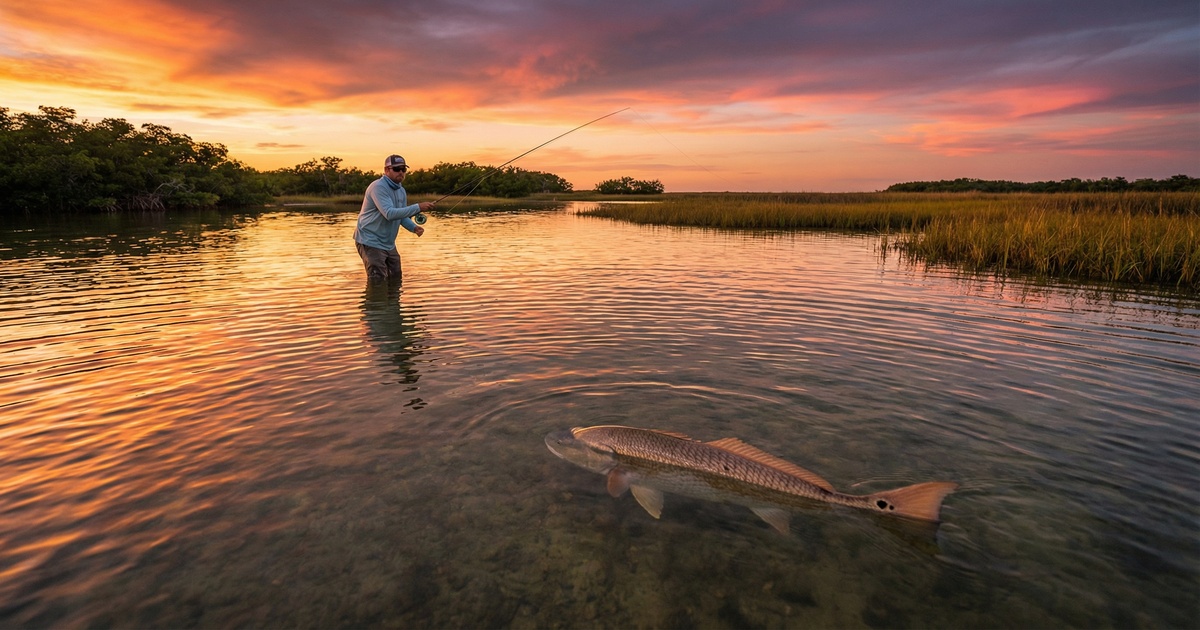
Picture this: You're standing knee-deep on a glassy flat somewhere along the Texas coast, early morning light cutting across the water. Twenty feet ahead, a copper tail breaks the surface, fanning slowly as the fish roots through the grass. You make the cast. You wait. The line goes tight.
That's the moment every redfish angler chases — and it happens a lot more often when you understand what's actually driving fish onto those flats and off them again. Redfish are one of the most tide-dependent inshore species on the entire Gulf Coast, and the anglers who consistently find them aren't just lucky. They're reading the water differently.
Let me break down exactly how tides move redfish from Texas to Florida, where to look during each phase, and what the best spots along the coast have in common.
Why Redfish and Tides Are Inseparable
Redfish (red drum) are opportunistic predators, but they're not random. Their entire feeding behavior is organized around tidal movement, because the tide does something crucial: it moves food.
When water rises over a marsh, flat, or grass bed, it floods habitat that was recently dry. Crabs, shrimp, and small baitfish pour into these newly accessible areas to feed. Redfish follow right behind them, using the incoming water like a conveyor belt of opportunity.
When the tide turns and water starts draining back out, those same baitfish and crustaceans get funneled through narrow cuts, channels, and drain points — predictable ambush locations where redfish stage and wait.
Field observation: The redfish aren't chasing bait randomly across a flat. They're positioning at the edges — the point where the flat drops into a channel, the mouth of a drain, the back of a creek where water is still moving. Tide creates current, and current concentrates food.
Understanding Tidal Range on the Gulf
One thing that surprises a lot of East Coast anglers fishing the Gulf for the first time is how small the tidal range is. Along most of the Gulf Coast, you're looking at 12-18 inches of tidal fluctuation on a typical day, compared to 4-6 feet in places like the Carolina sounds or Massachusetts bays.
This matters because even a subtle tide swing moves a lot of water across shallow flats. A flat that's 18 inches deep at high tide might be completely exposed at low — and redfish will be pushed off it entirely. This compression effect actually makes fish easier to locate. They have fewer places to be.
The Gulf also experiences diurnal tides through much of its range, meaning one high and one low per day rather than two of each. Plan your trips around this. You may only get one quality tidal window in a given day, so timing matters more than it does in semidiurnal systems.
Reading a Redfish Tide Chart
Before you load the truck, look at the tide chart — not just the high and low times, but the slope of the curve between them.
A steep slope means water moves fast. Fast-moving water stacks baitfish at ambush points and triggers active feeding. A gentle slope means a slow, lazy tide that produces slower, less predictable activity.
What to look for on your tide chart:
| Tide Phase | What's Happening | Where to Fish |
|---|---|---|
| Incoming (first 2 hours) | Water pushing onto flats, flooding grass | Back of flats, marsh edges, creek mouths |
| High slack | Water stops moving, activity slows | Points and structure where fish hold |
| Outgoing (first 2 hours) | Water draining through cuts and channels | Drain points, channel edges, jetty ends |
| Low slack | Fish pushed into deeper holding water | Deeper cuts, ICW edges, channel bends |
The two moving phases — incoming and outgoing — are your prime windows. The transitions around high and low slack water are typically slow. Plan your fishing to be on the water and actively fishing during movement.
Pro tip: On the Gulf, the outgoing tide after a high that occurred around sunrise is about as good as it gets. You've got light conditions, active bait movement, and redfish that have been feeding in shallow water about to push toward drain points as water drops. That convergence of factors is worth setting an alarm for.
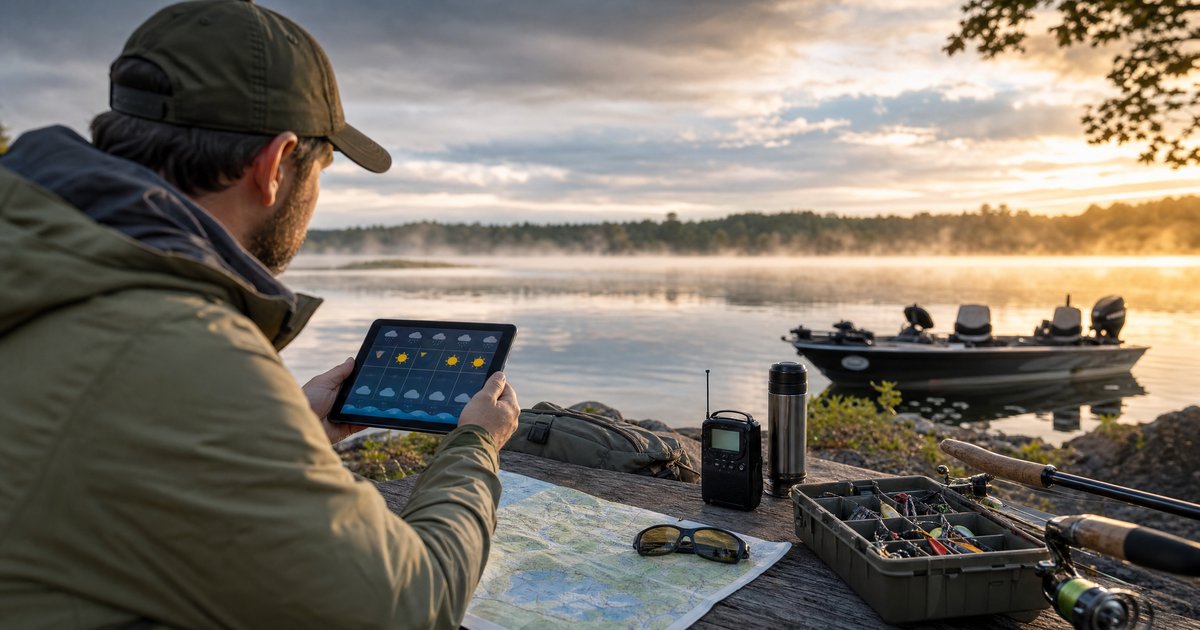
I always pull up HookCast's tide chart the night before to map out exactly when water will be moving at my target spot. You can overlay it with solunar data to see if a major period lines up with tidal movement — when those two align, expect elevated activity.
Flats Fishing Fundamentals: How to Read the Water
Fishing Gulf Coast flats successfully is about understanding structure — not just the bottom type, but the edges where different depths and habitats meet.
Grass Beds and Oyster Bars
Seagrass flats are the foundation of redfish habitat across the Gulf. Species like shoalgrass and manatee grass hold shrimp, crabs, and pinfish — the core of a redfish's diet. When tide pushes water over grass beds, redfish follow.
Watch for:
- Nervous water — a subtle ripple or disturbance across otherwise calm surface, often caused by a redfish pushing through grass
- Tailing fish — the tail breaks the surface as the fish tips down to root through the bottom
- Pushes — a V-shaped wake moving across shallow water
Oyster bars are ambush country. Redfish use the shells as cover and patrol the edges where dropping water funnels shrimp and crabs past them. On an outgoing tide, any cut through an oyster bar is worth a long look.
Potholes and Sand Edges
In grass flats with scattered sand potholes, redfish use the potholes as staging areas — they can see bait moving across the sandy bottom and intercept it easily. Work the edges of potholes, not the middle.
Sand-to-grass transitions are prime. Cast to where the two habitats meet and work your bait parallel to the edge.
Drains, Cuts, and Bayou Mouths
These are the highway on-ramps and off-ramps for tidal fish movement. Any narrow opening that drains a marsh or flat on the falling tide will concentrate bait — and redfish know it. One or two redfish often hold at the mouth of even a small drain, waiting for the easy meal to wash out.
Don't overlook small, subtle features. A 10-foot-wide drain through a marsh edge can hold multiple fish on an outgoing tide even if it looks insignificant at first glance.
Prime Gulf Coast Redfish Spots by Region
The Gulf Coast stretches more than 1,600 miles, and redfish are present everywhere from the Texas/Mexico border to the tip of Florida. But the character of the fishery changes significantly as you move east.
Texas: Laguna Madre and the Lower Coast
Texas has arguably the best sight fishing for redfish anywhere in the country. The Upper and Lower Laguna Madre — a hypersaline lagoon system protected by Padre Island — produces extraordinary fishing because of its shallow depth, clear water, and massive grass flat structure.
The Lower Laguna in particular holds large schools of redfish year-round. Fish the Land Cut area and the flats east of Port Mansfield during incoming tides for tailing and cruising fish. Hire a local guide at least once if you're new to the area — the grass flat maze is enormous, and local knowledge cuts your learning curve dramatically.
Sabine Lake on the Louisiana/Texas border fishes completely differently — darker, more turbid water, marshier structure. Here the redfish key heavily on oyster reefs and channel edges rather than grass sight fishing. The Sabine jetties are reliable for schooled fish during fall runs.
Louisiana: Marsh Country
Louisiana's marsh system is the largest on the Gulf Coast and holds an enormous redfish population. The challenge is the water clarity — these are typically tannic, dark waters where sight fishing isn't the primary approach.
Fish the MRGO area near New Orleans, the marshes of Terrebonne and Barataria Bay, and the flats around Grand Isle. Louisiana redfish tend to be schooled and can be very aggressive on the outgoing tide as water drains from marsh systems.
Field observation: In Louisiana, I've found that redfish school up in bigger numbers than anywhere else I fish. When you find them, you might get 20-30 casts into a feeding school before they wise up. Work efficiently — get the bait in front of the school, not behind it.
Mississippi and Alabama: Underrated Inshore Fisheries
Mississippi Sound and Mobile Bay don't get the same attention as Texas or Florida, but the fishing is genuinely excellent, particularly in fall when redfish push into the bays ahead of cooling water temps.
Dauphin Island and the surrounding grass flats produce good fall fishing. The Dog River area near Mobile holds fish in the warmer months around grass beds and dock structure.
Florida: Tampa Bay to the Panhandle
Florida's Gulf Coast has incredible diversity. Tampa Bay is a world-class redfish fishery with extensive grass flats, productive channels, and accessible launch ramps that make it viable without a bay boat.
The Terra Ceia flats near the mouth of the Manatee River, the Cockroach Bay area, and the grass flats off Weedon Island are consistent producers. On the panhandle, St. Andrew Bay near Panama City and the flats around Pensacola Bay fish well during fall.
Gear, Baits, and Presentation for Gulf Flats Fishing
Gear selection for redfish flats fishing comes down to whether you're sight fishing in clear water or fishing by structure in murkier conditions.
Clear Water Sight Fishing Setup
- Rod: 7'6" medium-light to medium spinning rod
- Reel: 2500-3000 size
- Line: 20-30 lb braided mainline, 20 lb fluorocarbon leader (12-18 inches)
- Presentation: Quiet, accurate casts well ahead of the fish — lead them, don't land it on top of them
Best lures for clear water:
- Gold spoon (weedless)
- DOA Shrimp in natural colors
- Suspending twitch baits in chartreuse/silver or mullet patterns
- 1/4 oz jighead with a paddle tail shrimp soft plastic
Natural Bait Rigs
When sight fishing conditions aren't ideal, natural bait under a popping cork or on a Carolina rig is extremely effective:
- Live or fresh-dead shrimp — reliable year-round
- Finger mullet — excellent for larger fish in fall
- Blue crab pieces — particularly effective in marsh and bay environments
Free-lined live shrimp with no weight at all is deadly when you can get close to feeding fish in calm, shallow conditions. Natural presentation, no splash.
Popping Cork Fishing
The popping cork rig is almost synonymous with Gulf Coast inshore fishing. The cork pops and clicks on the surface to mimic shrimp being ambushed, triggering strikes from redfish holding below.
Suspend your shrimp or soft plastic 18-24 inches below the cork in 2-3 feet of water. Work it with sharp pops and pauses on the outgoing tide along grass edges and channel mouths. It's simple, effective, and a great method if you're fishing with kids or newer anglers.
Planning Your Trip: A Gulf Redfish Timing Cheat Sheet
Before your next trip, run through this checklist:
The Night Before
- [ ] Check the tide chart — identify 2-hour moving windows (not slack)
- [ ] Note whether it's diurnal (1 high/1 low) or mixed — plan accordingly
- [ ] Pull up HookCast to check wind forecast (15+ mph will dirty up flats and kill sight fishing)
- [ ] Look at barometric pressure trend — stable or rising pressure = active fish, falling = tougher bite
- [ ] Check moon phase — full and new moons drive stronger tidal movement
At the Ramp
- [ ] Assess water clarity before committing to a spot
- [ ] Factor in wind direction — fish upwind flats on calm days, seek wind-protected areas when it's blowing
- [ ] Arrive early enough to be in position when tide starts moving
On the Water
- [ ] Work into the wind on foot or by trolling motor so approaching fish can't detect you
- [ ] Watch for nervous water, tails, and pushes before making blind casts
- [ ] If you find fish once, note the tide stage — the same structure will hold fish on the same tide next time
Seasonal Notes
- Spring: Redfish move onto warming flats as water temps reach 60-65°F
- Summer: Early morning and late evening on shallow flats; fish move deep during midday heat
- Fall: Best season overall — bull redfish move nearshore and schooled fish are aggressive
- Winter: Fish hold in deeper holes and channel edges; slower presentations, natural bait
The redfish isn't a complicated animal. It wants food, safety, and comfortable water temperature — and the tide drives all three. Learn to read a tide chart with real intent, understand the flat you're fishing, and put yourself at drain points and grass edges when water is moving. That's it.
The 2-hour drive is worth it when you see that copper tail break the surface right where you knew it would be.
FAQ
What is the best tide stage for redfish fishing on the Gulf Coast?
The most productive windows are typically the incoming tide and the first stages of the outgoing tide. Incoming water floods marshes and flats, pushing bait into newly accessible areas with redfish following close behind. As the tide turns and begins draining, fish concentrate at cuts, channels, and drain points — predictable ambush spots that are easy to target.
Why is the tidal range on the Gulf Coast so much smaller than on the Atlantic Coast?
The Gulf of Mexico experiences a relatively small tidal range — typically just 12 to 18 inches — due to its semi-enclosed geography and basin shape. Despite the modest swing, this still moves significant water across shallow flats, often exposing them completely at low tide and compressing fish into fewer, more predictable locations.
What does "diurnal tide" mean, and how does it affect my fishing plans?
A diurnal tide cycle produces one high tide and one low tide per day, rather than the two highs and two lows common on the Atlantic Coast. Much of the Gulf Coast follows this pattern, which means you may only have a single quality tidal window on any given day. Checking your tide chart in advance and planning your trip around that window is essential for consistent success.
Where do redfish go when the tide drops and flats become too shallow?
As water drains off the flats, redfish move toward deeper adjacent structure — channels bordering the flat, creek mouths, and natural drain points where current continues to funnel bait. These transition zones become highly productive during falling and low tides, as fish stage and wait for food to be swept toward them.
Do redfish behave differently across the Gulf Coast from Texas to Florida?
The core tidal behavior remains consistent throughout their range, but local geography shapes where and how fish use the tide. Texas anglers often work expansive shallow bays and Spartina grass flats, while Florida anglers may target mangrove shorelines and backcountry basins. Understanding the specific habitat in your region helps you apply tidal principles more effectively to local conditions.