Spring to Summer Transition Fishing: How to Adjust as Water Temps Cross 70 Degrees
Last May I pulled up to a reservoir I'd been absolutely crushing for three straight weekends. Same ramp, same launch time, same spots I'd been working since ice-out. Within an hour it was obvious something had shifted — the shallows I'd been hammering were dead quiet, almost eerie. Then a buddy texted me from across the same lake: "Bro, where'd the bass go?"
That's the spring-to-summer transition in a nutshell. One week you're pulling bass off beds in two feet of water. Two weeks later, those same sun-baked flats feel like an empty parking lot. The fish didn't vanish — they got the memo that summer was coming and relocated accordingly. You just didn't get CC'd on that email.
If you've ever driven an hour to your favorite spot only to find the bite completely dead, there's a solid chance you walked into that transition window without realizing it. Understanding what actually happens when water temperatures push through the 70°F mark is one of the more valuable things you can internalize as an angler. Not because it's complicated — but because once the logic clicks, the adjustments become almost obvious.
Why 70°F Is the Real Turning Point
Fish are cold-blooded. Their metabolism, feeding behavior, and where they choose to hold are all directly tied to water temperature. Most freshwater anglers know the general idea that fish "get more active in warmer water" — but that's only half the story, and it's the half that gets people into trouble in late spring.
Think of it less like a straight line and more like a bell curve. As water moves from the cold of early spring up through the 60s, fish metabolism accelerates and feeding windows widen. Bass are coming off the spawn, recovering hard and eating everything in sight. Walleye are wrapping up their own spawn and staging near structure. That's the sweet spot — the window serious anglers call the post-spawn feed, and for good reason. It's arguably the best sustained bite of the year.
Then water temps cross 70°F, and the entire dynamic shifts on you.
What Happens to Bass at 70+ Degrees
Largemouth bass are most comfortable in a range of roughly 65–75°F. Once you're pushing firmly above that optimal window — and especially as you creep toward 80°F — bass start making behavioral adjustments designed to conserve energy rather than burn it chasing baits.
In practical terms, this means:
- Shallower flats become uncomfortable during midday heat
- Bass push toward deeper, cooler water or find shade and overhead cover
- Feeding windows shrink — early morning and late evening become the only truly productive hours
- Reaction strikes still happen, but finesse presentations often run circles around power fishing once the sun gets high
In my experience fishing reservoirs across Missouri and Illinois, this transition typically lands somewhere between late May and mid-June depending on what spring threw at us. A cooler, wetter spring can push the whole thing back two or three weeks. Before any trip during this window, I pull up the water temperature on HookCast's weather tool — it's genuinely one of the first numbers I check when deciding whether to set up shallow or make the move to deeper structure.
What Happens to Walleye
Walleye are more temperature-sensitive than bass. Their preferred range sits around 65–70°F, which means they're actually hitting peak comfort right about the time bass are starting to back off. Once water climbs above that range, walleye begin a vertical migration — sliding toward the thermocline in deeper lakes, or stacking in deep river channels and slow pools in moving water.
On lakes with enough depth to develop a true thermocline, walleye essentially become a deep-structure fish from late June straight through August. The fish haven't disappeared. They're just sitting 20–30 feet down on breaks and points that drop into cooler, more oxygen-rich water — and they're not particularly interested in what you're doing up top.
Reading the Transition: Signs the Bite Is Changing
You don't need a high-end thermometer to know the transition is underway. The water will tell you if you know what to look for.
Surface Activity Tells the Story
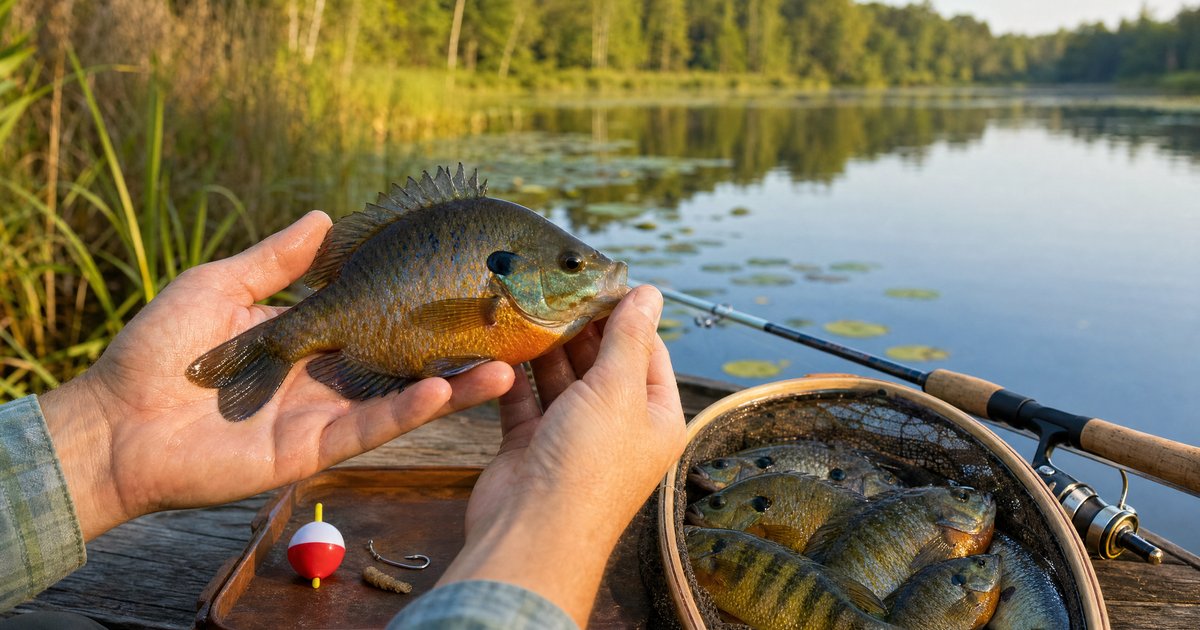
When water temps are still in the mid-to-upper 60s, you'll see bass actively chasing baitfish on or near the surface during early morning. Bluegill push into the shallows. Shad school up near main lake points. There's a general sense of life in the water column — things are moving, things are eating.
Once that 70°F threshold is crossed and trending upward:
- Surface activity compresses into the first and last 30 minutes of usable light — and even that window gets tighter as summer deepens
- Midday topwater fishing turns into a low-percentage grind on most lakes
- Baitfish schools start pushing deeper — keep an eye on your graph and note when those clouds of bait stop sitting near the surface
The Post-Spawn Recovery Window Is Closing
One of the best bass bites of the entire year is the post-spawn period — females recovering from the rigors of spawning, males aggressively guarding fry. That bite is temperature-dependent, and it fades noticeably as water temps rise above 72–73°F. Fish transition from those shallow recovery areas into what are genuinely early summer patterns.
If you're still grinding spawning flats after water temps have settled into the low-to-mid 70s, you're fishing memory rather than reality. The fish made their move already.
Field observation: On overcast, cloudy days during the transition window, shallow fish often stick around longer than you'd expect. Cloud cover acts as a buffer — the surface doesn't heat as quickly, and fish stay comfortable holding shallower well into mid-morning. It's not a hard rule, but it's a pattern worth tracking across your local waters.
Barometric Pressure Changes Hit Harder
Here's something a lot of anglers completely miss during this time of year: fish become noticeably more sensitive to barometric pressure swings as water temperatures rise. The same cold front that causes a moderate slowdown in cooler water can absolutely kill a warm-water bite.
Standard atmospheric pressure sits at 1013.25 hPa. Once you're dealing with warm, stable summer conditions, a fast-moving low pressure system that drops readings sharply can put fish off the feed for anywhere from 12 to 24 hours. I check current pressure trends on HookCast before committing to a long drive — if there's a dramatic drop incoming, I'd rather fish ahead of the front or wait it out entirely than burn a half-day of PTO on a post-front mud bite.
Adjusting Your Bass Tactics for the Transition
This is where most anglers either adapt and keep catching fish, or stubbornly fish the same spots in the same way and come home with a story about how "the bite was just off."
Timing Is Now Your Most Important Variable
During the peak of spring, you can catch bass at almost any point in the day. Midday bites on bright sunny days? Absolutely, without apology. Once water temps cross 70°F and trend toward 75°F, you need to treat dawn through roughly 9 AM as your primary productive window and structure your entire day around protecting it.
Warmer surface temps stratify the water column, and bass that were aggressive in the shallows simply aren't willing to expend that energy once the sun starts hammering the surface. Fishing hard from first light until mid-morning, then slowing down and going finesse or moving to deeper structure by midday, is the single adjustment that keeps catch rates consistent through the transition.
A typical summer-edge day broken down:
- 5:45–8:30 AM: Topwater, shallow crankbaits, swim jigs along transitional structure
- 8:30–11 AM: Moving to points, ledges, drop-shots in 10–18 feet
- 11 AM onward: Deep structure and finesse presentations — or honestly, call it a morning and beat the traffic home
Lures and Presentations to Lean Into
The spring shallow bite typically revolves around moving baits — spinnerbaits, swimbaits, shallow crankbaits — because fish are actively covering water and feeding aggressively in the open. As temps climb, the playbook needs to adjust:
| Spring Presentation | Summer Transition Alternative |
|---|---|
| Shallow crankbait (0–5 ft) | Medium-diving crankbait (6–12 ft) |
| Topwater throughout the morning | Topwater at first light only |
| Texas-rig in 3–5 ft | Texas-rig or Carolina-rig in 8–15 ft |
| Swim jig on open flats | Football jig on points and defined breaks |
| Ned rig anywhere | Drop-shot on deeper transitional structure |
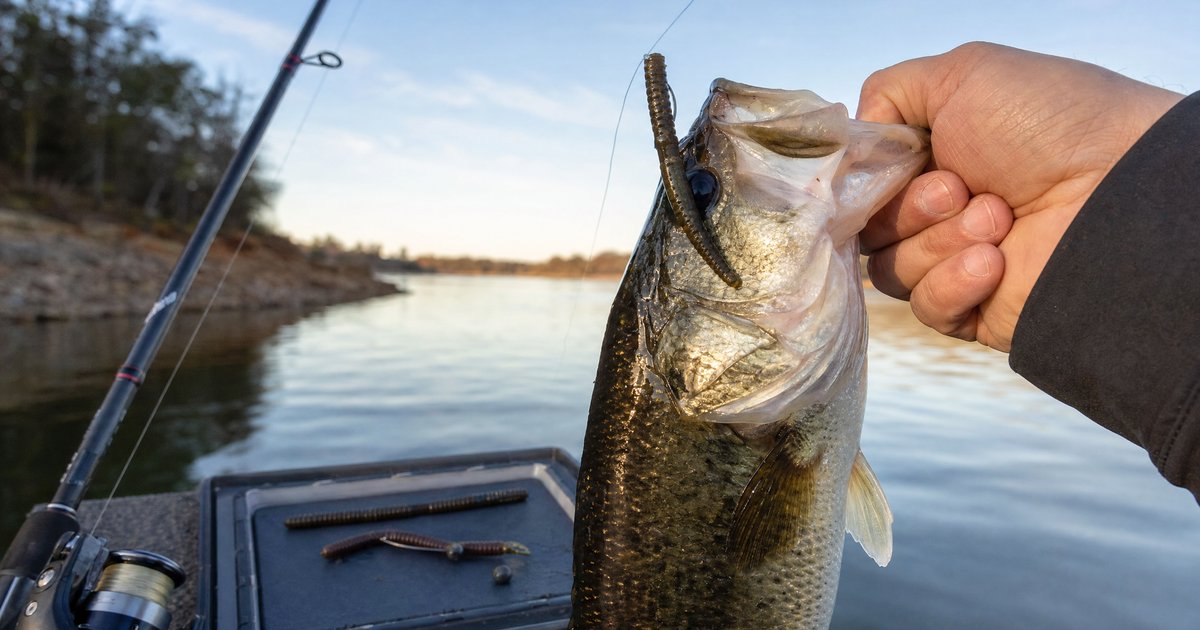
One presentation that consistently bridges the gap for me is a finesse worm on a drop-shot worked along 10–15 foot breaks. When the bite gets weird and fish are scattered somewhere between their spring and summer locations, slow and deliberate finesse work on those depth transitions will often find them when nothing else makes sense.
Structure to Target
The key structural shift boils down to this: stop fishing the flat itself, and start fishing the edge where the flat falls into deeper water.
- Main lake points with direct access to deep water become high-percentage targets
- Secondary points that were largely ignored during spring start producing consistently
- Docks with shade become legitimate midday refuges — a lot of anglers drive right past them
- Laydowns and wood cover positioned near depth transitions hold fish better than isolated shallow cover with no nearby escape route
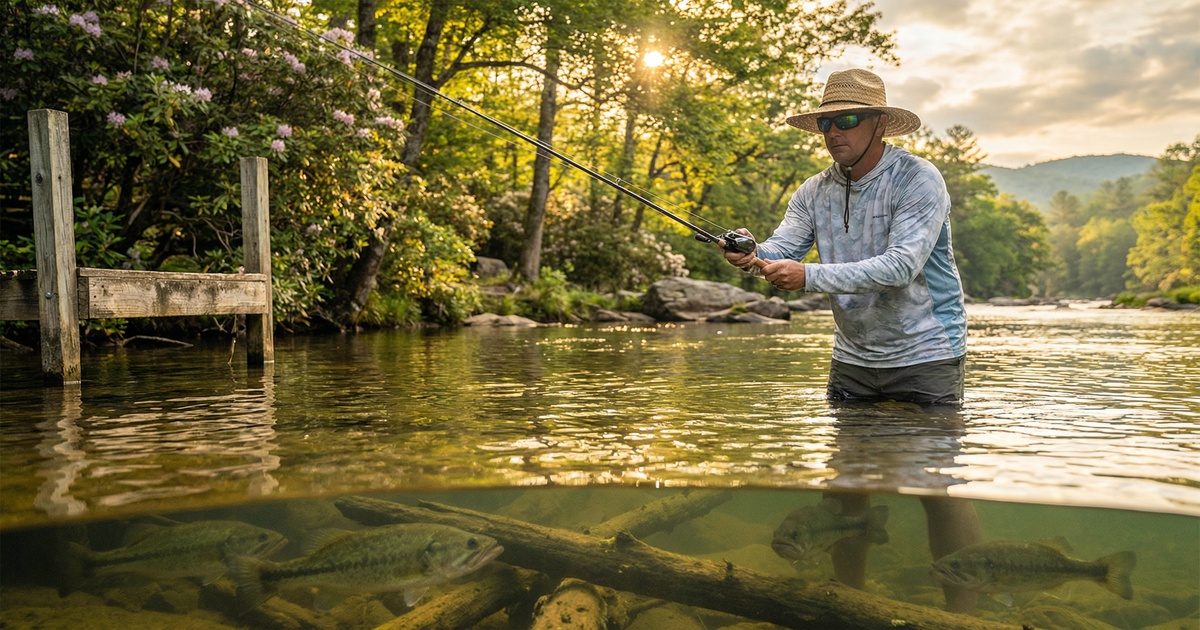
On rivers and streams — which make up a significant chunk of my kayak fishing — the transition means targeting deeper pools, slower current seams, and shaded undercut banks during midday hours. Early morning on current breaks and riffles still fires, but the midday fish have retreated to slower, deeper water and they aren't coming back until the sun drops.
Walleye During the Transition: Going Deep Before They Disappear
If you're primarily a walleye angler, this transition can actually work in your favor — as long as you're willing to commit to deeper water and adjust your clock.
Night Fishing Becomes Your Best Option
Walleye are notoriously light-sensitive, and that characteristic becomes far more pronounced as summer sets in. As water temps push above 70°F, walleye increasingly feed shallow after dark and spend daylight hours tucked into deeper, cooler water away from the surface light penetration they find so uncomfortable.
On the Great Lakes tributaries and connected inland lakes I've fished across Michigan and Wisconsin, once the water settles solidly into the low 70s:
- Daytime walleye fishing becomes largely a deep-structure game — 20 feet or more on most lakes
- Night fishing on rocky points, extended sand flats, and river mouths can be genuinely exceptional
- Jigging with live or soft plastic minnow presentations remains effective, but depth and cadence need meaningful adjustment compared to spring
⚠️ Safety note: Night fishing from a kayak requires proper navigation lights, a sound-producing device, and a paddle partner whenever possible. If you're night fishing solo from a kayak, your PFD is non-negotiable — not a preference, not a suggestion. Visibility for other boaters drops to nearly zero after dark.
Trolling and Structure Fishing
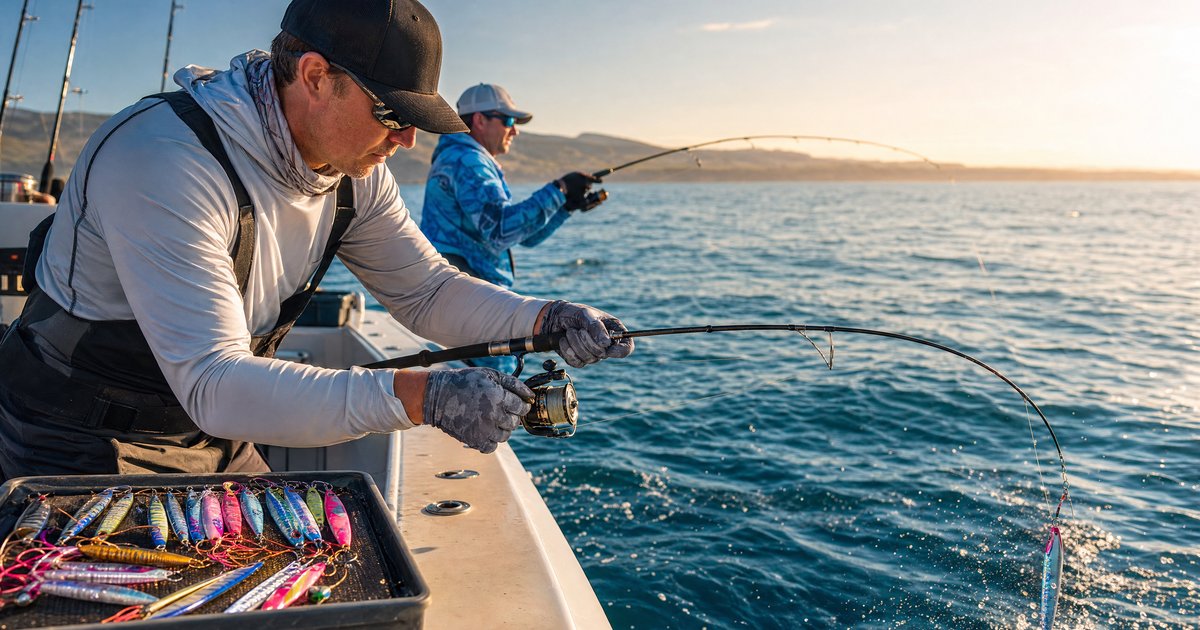
For anglers with boats, trolling along break lines at depth and using planer boards to cover water at the thermocline level is the established summer walleye approach. The USGS water temperature monitoring network can give you useful data on thermal stratification across larger bodies of water, helping you narrow down the depth band where walleye are most likely to stage.
On smaller, shallower lakes without enough depth to form a real thermocline, walleye tend to stack in whatever deep basin is available during warm days. Find a 25-foot hole on an otherwise shallow lake and you've found the waiting room — those fish are there, they're just not particularly enthusiastic until conditions improve.
Fishing the Transition Smarter: Practical Strategy
Enough theory. Here's how I actually approach a trip during the spring-to-summer window.
Pre-Trip Checklist
Before I even start loading the kayak:
- Check water temperature — am I dealing with low 70s, mid-70s, or is it still hanging in the 60s? That single number tells me whether I'm fishing early, mid, or late transition, and it shapes every other decision
- Check the 3-day forecast — a cold front within the next 24 hours changes the entire game plan; I'd much rather be on the water ahead of a front than trying to grind through the lockjaw that follows it
- Check barometric trend — stable or rising pressure on a warm, calm morning is about as favorable as conditions get during this window
- Look at solunar timing — I use HookCast's solunar calendar to time my first-light push around a major or minor period when I can; stacking a major solunar period against the low-light window early in the morning is a combination worth planning around
On the Water Adjustments
Even solid pre-trip intel doesn't mean you stop thinking once you're on the water. Here's the mental framework I run through throughout the day:
- Catching fish in the first hour? Stay with it — but actively watch for the bite to die as surface temps climb
- Slow start in the shallows? Move out. Work the 8–15 foot range with slower, more deliberate presentations
- Nothing happening by mid-morning? Stop chasing the shallow bite; find shade structure or commit to finesse presentations at depth
- Considering an afternoon push? Unless there's meaningful cloud cover, wind chop, or a front actively moving through, the math usually doesn't work in your favor
Managing Catch and Release in Warm Water
This doesn't get discussed nearly enough, and it matters. Warm water holds significantly less dissolved oxygen than cold water. Handling bass in 75°F+ water puts real physiological stress on the fish — recovery time extends, stress responses are more pronounced, and mortality risk on improperly released fish climbs meaningfully compared to cooler conditions.
During the transition and into summer:
- Minimize air exposure — get the photo done quickly and get the fish back in the water
- Use a wet hand or rubberized net when handling — dry hands and standard nylon nets strip the protective slime coat
- Revive fish properly — hold the fish upright in the water, move it gently forward and back until it kicks away on its own; don't just drop it and assume it'll be fine
- Reconsider bed fishing once the spawn is complete — most serious anglers have moved past repeatedly targeting bedding fish, and the population-level argument for leaving those fish alone is well-established at this point
Key Takeaways: Quick Reference for the Transition
Water temp signals:
- 65–68°F: Post-spawn activity, peak shallow bite, early transition beginning
- 68–72°F: Active transition window — mix of shallow morning bite and emerging deep patterns
- 72°F+: Established summer patterns; timing and depth are everything
What to change:
- ✅ Shift your fishing time hard toward early morning and late evening
- ✅ Follow fish from the flats to nearby depth transitions
- ✅ Slow down presentations as the midday heat builds
- ✅ Target shade structure — docks, laydowns near depth, bridge pilings
- ✅ Go finesse when power fishing loses its edge
- ✅ For walleye: go deep during the day, or go at night
What to stop doing:
- ❌ Fishing the same flat at 11 AM that produced for you at 6 AM
- ❌ Running topwater baits all morning past the post-dawn window
- ❌ Heading out without checking water temperature and barometric trends
- ❌ Rough handling fish in warm, low-oxygen water
The fish haven't stopped biting. They've relocated, tightened their feeding windows, and gotten a little more deliberate about when and where they eat. Meet them where they actually are instead of where they were three weeks ago, and you'll keep putting fish in the net well into summer.
FAQ
What water temperature marks the spring to summer fishing transition?
Most freshwater anglers use 70°F as the key benchmark. Below that threshold, spring patterns like shallow flats fishing and active post-spawn feeding are typically still productive. Once water temps push consistently above 70–72°F, species like largemouth bass and walleye begin shifting to deeper structure, tightening their feeding windows to early morning and late evening, and requiring slower or deeper presentations to produce consistent bites.
Why does the bite change so dramatically after a cold front in late spring?
Cold fronts trigger rapid drops in barometric pressure, followed by a sharp rise as the front passes through. Fish — especially warm-water species like bass — are highly sensitive to these pressure swings, and a significant drop can effectively shut down the bite for 12–24 hours. In late spring and early summer when water temps are already elevated, fish are operating closer to the edge of their thermal comfort zone, which amplifies their reaction to weather changes compared to what you'd see in cooler water.
Where do bass go when water temperatures cross 70 degrees?
Bass move from shallow spawning and post-spawn flats toward nearby depth transitions — the edges of flats where water drops into 10–18 feet, main and secondary lake points with access to deeper water, and shaded structure like docks positioned near depth. They don't disappear; they compress their daily movement into cooler low-light periods and hold tight to structure that gives them quick access to deeper, more temperature-stable water when they need it.
How do I catch walleye during the spring to summer transition?
As water temperatures climb above 70°F, walleye retreat to deeper, cooler water during daylight and move shallower to feed after dark. On lakes with sufficient depth, focus on break lines and defined structure in the 20–30 foot range during the day, or fish rocky points and sand flats at night when walleye become more active near the surface. Jigging soft plastic or live minnow presentations remains one of the most reliable approaches throughout this period — you're mostly adjusting depth and retrieve cadence rather than reinventing your entire approach.
Is early morning really that much more productive in late spring and summer?
Yes — and the gap between early morning and midday widens considerably as summer progresses. Surface water temperatures can rise several degrees between sunrise and noon on a calm, sunny day, pushing fish out of the shallows and into deeper or shaded holding areas. The most concentrated feeding activity tends to happen in the first 90 minutes to two hours after first light, when surface temps are at their lowest, light levels are still dim, and baitfish are active near the surface. Protecting that window and fishing it hard will consistently outproduce the same effort spread across the full day.